
Indian Dal: The Ultimate Masterclass in Budget-Friendly Protein
Discover how Indian lentils (dal) deliver exceptional nutrition for pennies per serving. Learn authentic techniques, spice combinations, and money-saving strategies.
Emma Chen
Recipe Developer
February 8, 2026
8 min read
6 views
If you've ever felt intimidated by the price of quality protein, let me introduce you to one of the world's most brilliant culinary solutions: dal. This humble category of split pulses and lentils has sustained billions of people across the Indian subcontinent for millennia, and for good reason. A pound of lentils costs less than a single chicken breast, yet delivers comparable protein along with fiber, iron, and complex carbohydrates. But dal isn't just economical—when prepared with traditional Indian techniques, it becomes a deeply satisfying, restaurant-quality meal that punches far above its weight class.
The Economics of Dal
A pound of red lentils costs approximately $2-3 and yields 10-12 servings. That's roughly 20-30 cents per serving of complete, plant-based protein. Compare this to chicken breast at $3-5 per pound (2-3 servings) or beef at $6-10 per pound, and the savings become dramatic over time.
The genius of dal lies not just in its affordability, but in the sophisticated flavor-building techniques that transform these humble legumes into something extraordinary. Unlike Western approaches that often treat lentils as a bland health food, Indian cooking embraces dal as a canvas for complex spice work, aromatic tempering, and textural contrast.
Understanding Your Dal Varieties
Before diving into technique, it's crucial to understand that "dal" refers to dozens of different split pulses, each with distinct characteristics. The most budget-friendly and accessible varieties include:
Masoor dal (red lentils) cook in just 15-20 minutes and break down into a creamy consistency, making them perfect for weeknight meals. Toor dal (split pigeon peas) have a slightly nutty flavor and hold their shape better, ideal for South Indian sambar. Moong dal (split mung beans) are the most digestible and cook quickly, often recommended for those new to legumes. Chana dal (split chickpeas) take longer to cook but offer a firmer texture and earthy sweetness.
Shopping Smart
Buy dal from Indian grocery stores rather than health food stores—you'll often pay half the price for the same product. Purchase in bulk (5-10 pound bags) for even better savings, as dried lentils store for years in airtight containers.
The beauty of maintaining a dal pantry is that you're investing in shelf-stable protein that never spoils, never needs refrigeration, and requires no special storage beyond a cool, dry cupboard.
The Foundation: Proper Cooking Technique
The difference between mediocre dal and restaurant-quality dal often comes down to proper cooking technique. Start by rinsing your dal thoroughly—this removes excess starch and any debris from processing. Unlike Western lentil soups that often turn muddy, well-rinsed dal produces a cleaner, more refined result.
The cooking ratio matters: use 3 cups of water per 1 cup of dal for a thicker, restaurant-style consistency, or 4 cups for a brothier texture. Bring to a boil, then reduce to a gentle simmer. Here's where patience pays dividends—resist the urge to stir constantly. Gentle, occasional stirring prevents sticking while allowing the dal to cook evenly.
The Salt Timing Myth
You may have heard that adding salt early toughens lentils. This is largely a myth—salt actually helps season the dal throughout. However, acidic ingredients like tomatoes or tamarind should be added after the dal is fully tender, as acid can indeed slow cooking.
As your dal simmers, it will foam initially—skim this off for a cleaner final result. The dal is ready when individual lentils have completely broken down and the mixture has a creamy, porridge-like consistency. For most varieties, this takes 25-40 minutes. If it seems too thick, add hot water (never cold, which stops the cooking process).
The Game-Changer: Tadka (Tempering)
Here's where Indian technique transforms budget ingredients into something transcendent. Tadka—the practice of blooming spices in hot oil or ghee—is the secret weapon that makes dal irresistible. This final flourish adds layers of flavor that no amount of simmering alone can achieve.
Heat Your Fat
Use 2-3 tablespoons of ghee, coconut oil, or neutral oil in a small pan over medium-high heat. The oil should shimmer but not smoke.
Bloom Whole Spices
Add cumin seeds, mustard seeds, or both. They should sizzle immediately. This takes just 30 seconds—you're looking for the mustard seeds to pop and the cumin to darken slightly.
Add Aromatics
Toss in dried red chilies, curry leaves (if available), sliced garlic, and fresh ginger. The moisture from aromatics will cause dramatic sizzling—this is good! Cook until the garlic turns golden, about 1-2 minutes.
Introduce Ground Spices
Remove from heat and immediately add ground spices like turmeric, coriander, or garam masala. The residual heat will bloom these without burning them.
Pour Over Dal
Immediately pour the entire tadka—oil, spices, and all—over your cooked dal. Stir gently to incorporate. The sizzling oil will perfume your entire kitchen.
"Tadka is the moment when dal transforms from sustenance into celebration. It's not an optional garnish—it's the soul of the dish."
Madhur Jaffrey, Indian cooking authorityThis technique costs perhaps 50 cents in spices and oil, yet it elevates your dal from simple to sublime. The blooming process releases fat-soluble flavor compounds that simply don't develop in water-based cooking, adding depth and complexity that makes dal crave-worthy rather than merely nutritious.
Strategic Spice Investment
One concern about dal is the upfront cost of spices. However, this is where smart shopping creates long-term savings. A well-stocked spice cabinet for dal cooking requires surprisingly few ingredients:
Essential trio: Cumin seeds, turmeric powder, and coriander powder form the backbone of most dal preparations. These three spices cost $10-15 total from an Indian grocery store and will last months.
Aromatics: Fresh ginger, garlic, and onions are universal and inexpensive. Buy ginger root and freeze it—it grates beautifully while frozen and lasts indefinitely.
Optional upgrades: Curry leaves (freeze fresh ones), dried red chilies, mustard seeds, and asafoetida (hing) add authenticity but aren't mandatory for delicious results.
Spice Longevity
Whole spices stay potent for 2-3 years, while ground spices last 6-12 months. Buy whole when possible and grind as needed for maximum flavor and value. A $15 coffee grinder dedicated to spices is a worthwhile investment.
Compare this investment to buying pre-made sauces or eating out. A single restaurant dal costs $8-12, while homemade dal from your spice pantry costs under 50 cents per serving once your pantry is established.
Building Complete Meals
Dal's affordability extends beyond the dish itself—it anchors complete, balanced meals without expensive proteins. Pair dal with rice (another budget staple) and you create a complete amino acid profile, matching the protein quality of meat. Add a simple vegetable side—sautéed spinach, roasted cauliflower, or cucumber raita—and you have a restaurant-quality meal for under $2 per person.
This is where meal planning amplifies dal's value. Make a large batch on Sunday (dal actually improves overnight as flavors meld), and you have:
- Ready lunches for the work week
- A base for quick dinners (add vegetables, change the tadka)
- Emergency meals that reheat beautifully
- Freezer portions for future weeks
Cultural Context
In Indian households, dal isn't considered "budget food"—it's daily comfort food enjoyed across all economic levels. The practice of making fresh dal daily isn't about frugality but about tradition, nutrition, and the deeply satisfying ritual of home cooking.
Maximizing Nutrition on a Budget
Beyond cost savings, dal delivers exceptional nutritional value. One cup of cooked lentils provides 18 grams of protein, 16 grams of fiber, and significant iron, folate, and potassium—all for about 230 calories. For anyone following plant-based diets, managing food budgets, or simply trying to eat more whole foods, dal represents one of the best nutritional investments available.
The fiber content particularly distinguishes dal from animal proteins. This means dal keeps you satisfied longer, stabilizes blood sugar, and supports digestive health—benefits that reduce overall food costs by preventing snacking and supporting better health outcomes.
Getting Started: Your First Dal
If you're new to dal, start with red lentils (masoor dal)—they're forgiving, quick-cooking, and widely available. Cook them until creamy, season generously with salt, and finish with a simple tadka of cumin seeds and garlic in oil. Serve over rice with a squeeze of lemon. This basic template costs under $1 per serving and takes 30 minutes start to finish.
As you gain confidence, experiment with different dal varieties, spice combinations, and vegetable additions. Try stirring in spinach during the last few minutes of cooking, or adding tomatoes for acidity and depth. Each variation teaches you more about flavor building while maintaining that crucial affordability.
The real mastery in dal cooking isn't about expensive ingredients or complex techniques—it's about understanding how to coax maximum flavor from minimal investment. It's about recognizing that budget cooking doesn't mean compromising on taste, but rather learning the techniques that professional cooks and home cooks across India have refined over centuries.
Batch Cooking Strategy
Triple your dal recipe and freeze portions in single-serving containers. Frozen dal keeps for 3 months and reheats perfectly, giving you restaurant-quality meals that cost less than instant ramen.
In a food landscape dominated by expensive convenience and pricey proteins, dal stands as proof that some of the world's most satisfying foods are also the most accessible. Master these techniques, invest in a basic spice pantry, and you'll have unlocked one of cooking's best-kept secrets: exceptional food doesn't require an exceptional budget—just exceptional technique.
Try This Recipe
Now that you've learned about indian dal: a masterclass in budget protein, put your knowledge into practice with this recipe:
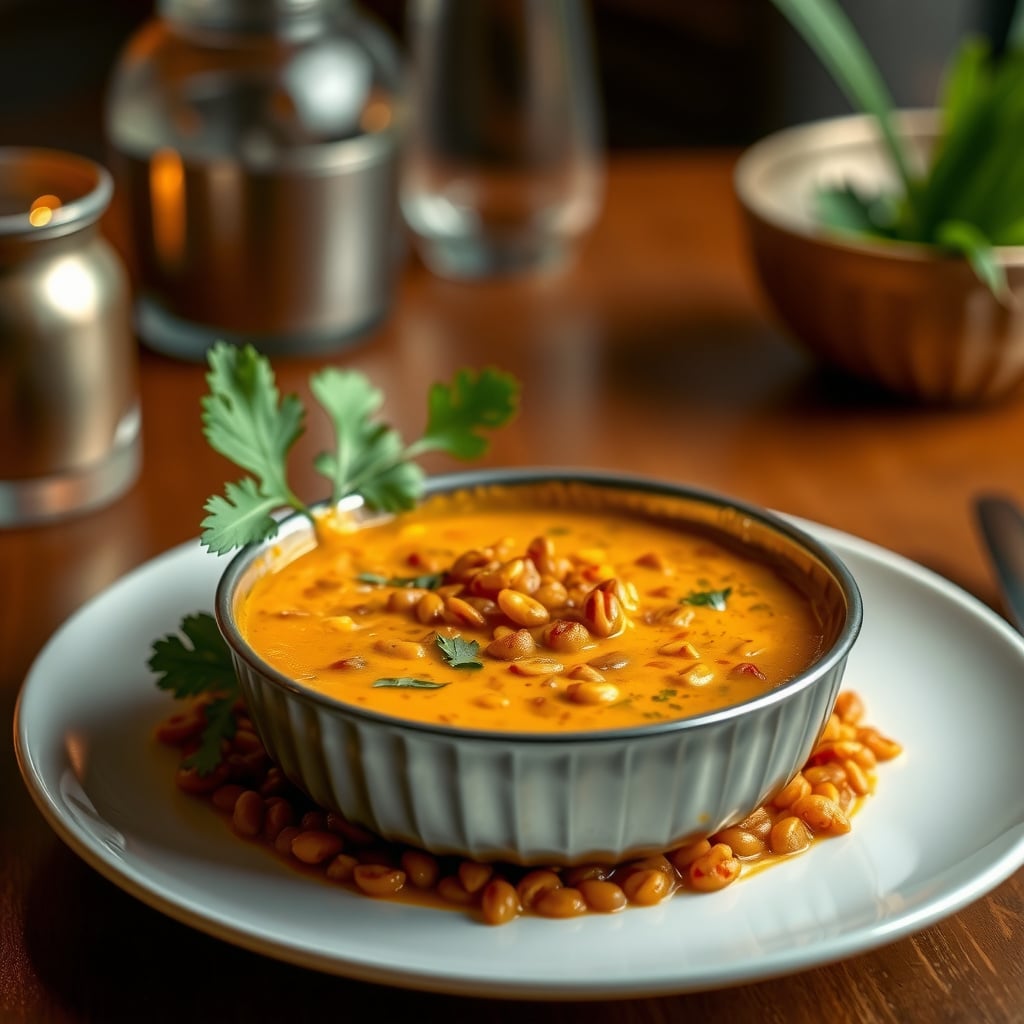
Restaurant-Style Tadka Dal with Cumin and Garlic
50min
4
View Full Recipe →
Ready to simplify your meal planning?
Let OttoChef AI create personalized meal plans for your family in seconds.