
How to Write a Meal Prep Plan That Actually Works for Your Life
Stop wasting food and time. Learn the proven framework for creating meal prep plans that fit your schedule, reduce stress, and actually get followed.
Sofia Rossi
Kitchen Editor
April 25, 2026
7 min read
6 views
You've tried meal prepping before. Sunday came, you spent four hours in the kitchen, made containers of food you were sick of by Wednesday, and by the following weekend, you ordered takeout three times. Sound familiar?
The problem isn't your willpower or cooking skills—it's that most meal prep advice treats everyone like they have the same schedule, preferences, and kitchen setup. A sustainable meal prep plan isn't about following someone else's system; it's about building one that works for your actual life.
Start With Your Reality, Not Someone Else's Instagram
Before you touch a single recipe, you need honest answers to three questions:
How much time do you actually have? Not "how much time should I have" or "how much time do meal prep influencers have." If you realistically have 90 minutes on Sunday, plan for 90 minutes. Trying to squeeze a three-hour prep session into less time guarantees stress and half-finished containers.
What meals cause you the most chaos? Maybe breakfast is fine—you're happy with yogurt and fruit. But lunch is a disaster of expensive salads from the café downstairs. Focus your prep energy on the meals that cause actual problems in your week, not the ones that already work.
How many days ahead can you tolerate eating the same thing? Some people happily eat identical lunches for five days. Others need variety by day three. Neither is wrong, but your plan needs to match your preference or you'll abandon it.
The Two-Day Rule
If you know you get bored easily, plan your prep in two-day cycles instead of full weeks. Prep Sunday for Monday-Tuesday, then do a quick Wednesday evening prep for Thursday-Friday. It takes the same total time but feels less monotonous.
The Modular Method: Build Flexibility Into Your System
The biggest mistake in meal planning is thinking in complete dishes. "Monday: chicken stir-fry. Tuesday: salmon and roasted vegetables." This approach locks you into specific meals and creates decision fatigue.
Instead, think in components that mix and match:
Prep Your Proteins
Cook 2-3 proteins in different styles. Roasted chicken thighs, pan-seared tofu, and hard-boiled eggs give you options without repetition.
Prepare Versatile Bases
Make grains, greens, or other foundations. Quinoa, roasted sweet potatoes, and massaged kale can become ten different meals depending on what you pair them with.
Create Flavor Bombs
Prepare 2-3 sauces, dressings, or seasoning blends. A tahini-lemon dressing, chimichurri, and spicy peanut sauce transform the same chicken and rice into three distinct meals.
Prep Strategic Vegetables
Focus on vegetables that hold up well: roasted Brussels sprouts, sautéed peppers and onions, pickled red onions. Save delicate items like fresh tomatoes or avocado to add fresh.
This modular approach means Monday you might have chicken with quinoa and tahini dressing, while Wednesday is the same chicken with sweet potato and chimichurri. Same components, completely different experience.
"A meal prep plan should create options, not obligations. The moment it feels like a prison sentence, you'll break out."
Sarah DiGregorio, food writerMap Your Week Backwards From Your Schedule
Most people plan meals chronologically—Monday, Tuesday, Wednesday. Instead, look at your calendar and identify your constraint days first.
Which nights are you home late? Those need the fastest assembly meals—pre-cooked components you literally just reheat and combine.
When do you have 15-20 minutes? These evenings can handle light cooking—maybe you've prepped and marinated proteins, and you just need to cook them fresh with pre-chopped vegetables.
What's your one flexible evening? This might be your "cook something fresh" night where you're not relying on prep at all. Building in this variety prevents meal prep burnout.
The 50/30/20 Prep Rule
Aim for 50% fully prepped meals (just reheat), 30% semi-prepped (one component needs fresh cooking), and 20% flexibility for cooking fresh or eating out. This balance prevents both chaos and monotony.
Write It Down (Yes, Actually Write It)
A meal prep plan that lives only in your head will fail. You need a written system with three components:
The Prep List: What you're actually cooking during your prep session, in order of longest-to-shortest cooking time. Start your oven-roasted items first, then move to stovetop while those cook.
The Assembly Map: A simple chart showing which components combine for which meals. "Monday lunch: chicken + quinoa + tahini + cucumbers." This eliminates morning decision fatigue.
The Shopping List Organized by Store Layout: Group items by where they are in your actual grocery store. Produce, then proteins, then pantry. This cuts shopping time significantly and prevents forgotten items.
The Overpacking Trap
Don't prep seven different breakfasts, seven lunches, and seven dinners your first week. Start with ONE meal (usually lunch) for 3-4 days. Master that before expanding. Overpacking leads to overwhelm and waste.
Storage Strategies That Prevent Food Waste
Even a perfect prep plan fails if food spoils before you eat it. Storage isn't an afterthought—it's part of the plan.
Store components separately, not as assembled meals. That kale salad gets soggy by day three if it's already dressed. But kale, chicken, quinoa, and dressing stored separately? Fresh every day.
Use the right containers for each food type. Grains and proteins do fine in standard meal prep containers. Leafy greens need containers with air circulation. Sauces need small, sealed jars.
Label everything with prep date. Not what it is (you can see that), but when you made it. This prevents the "is this still good?" guessing game.
Freeze strategically. If you're prepping for five days but know you'll only eat something three times, freeze two portions immediately. They'll be fresher on Friday than something that's been refrigerated all week.
The Friday Test
On Friday, honestly assess what worked and what didn't. Did you skip meals because they weren't appealing? Did certain components go bad? Did you run out of something? Use this intel to refine next week's plan. Meal prep is iterative, not perfect from day one.
Build In Flexibility Points
Rigid plans break. Life happens—you get invited to lunch, you're craving something specific, you're too tired to assemble anything. Your meal prep plan needs flexibility built in.
Keep a "backup shelf" in your pantry and freezer: canned beans, quality pasta, frozen dumplings, jarred sauce. These aren't failures—they're safety nets that prevent the "screw it, I'll order pizza" spiral.
Plan for 80% of your meals, not 100%. If you prep four lunches but have five workdays, that fifth day is your wild card. Maybe you use leftovers, maybe you eat out, maybe you grab that backup option.
Give yourself permission to deviate. If Wednesday's planned lunch doesn't sound good, eat Thursday's instead. The components don't care what day you assigned them.
Start Smaller Than You Think
Your first meal prep plan should feel almost too simple. Pick your most chaotic meal. Prep just that meal for 3-4 days using 3-4 components. That's it.
Once that feels easy—not perfect, just easy—add another meal or another day. The goal isn't to become a meal prep influencer with matching containers and perfect portions. The goal is to reduce stress, save money, and eat better without thinking about it constantly.
A meal prep plan that actually works isn't the most impressive one. It's the one you'll still be using three months from now because it fits your life instead of fighting against it. Start there, and build from what works rather than what looks good on social media.
Try This Recipe
Now that you've learned about how to write a meal prep plan that actually works, put your knowledge into practice with this recipe:
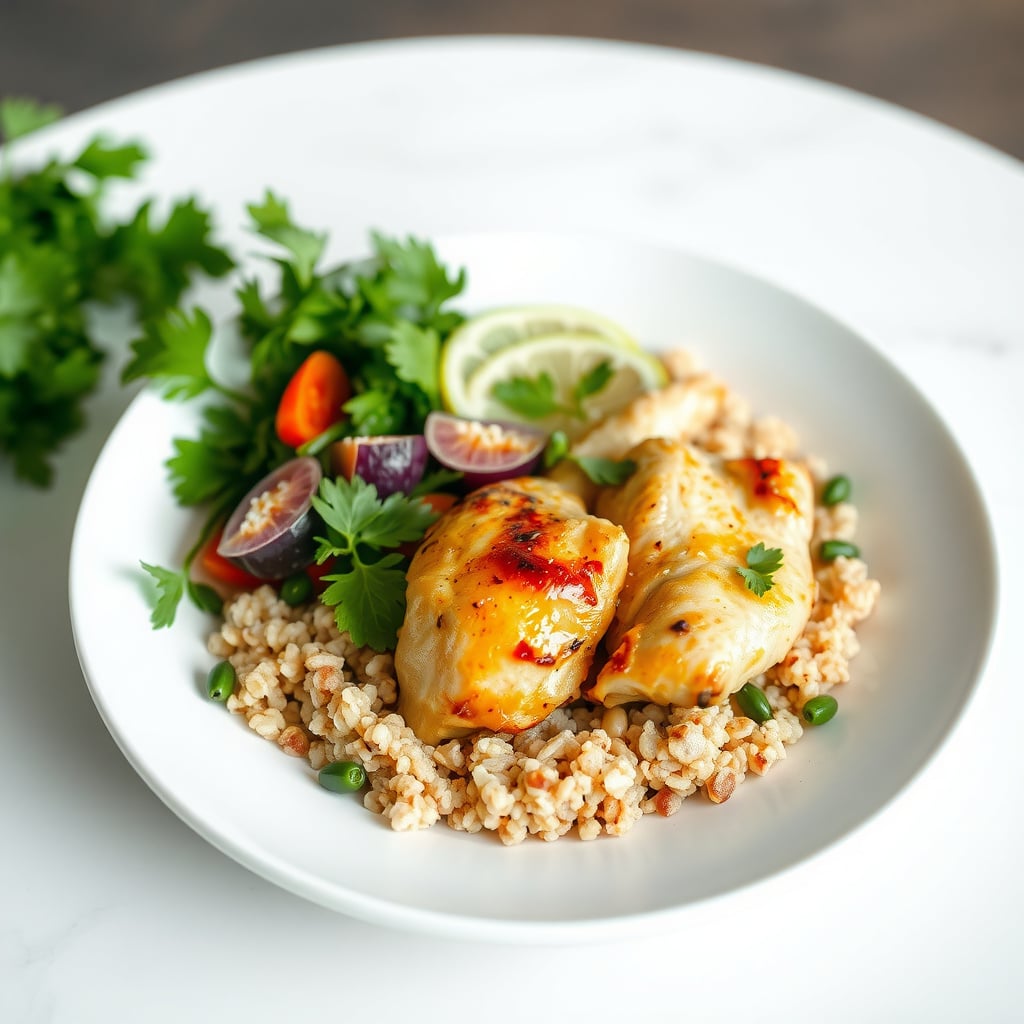
Modular Mediterranean Grain Bowl Base
50min
4
View Full Recipe →
Ready to simplify your meal planning?
Let OttoChef AI create personalized meal plans for your family in seconds.