
How to Use Spent Coffee Grounds to Tenderize and Crust Budget Beef
Unlock the culinary potential of your morning waste. Learn how to use spent coffee grounds to tenderize tough budget cuts of beef and create a steakhouse crust.
Alex Thompson
Food Editor
September 11, 2026
5 min read
4 views
Cooking budget-friendly cuts of beef like flank, chuck, or eye of round often feels like a compromise between your wallet and your palate. These cuts are packed with deep, beefy flavor, but they are notoriously tough due to dense muscle fibers and connective tissue. While traditional marinades rely on heavy acids like vinegar or citrus, there is an overlooked, cost-free tenderizer sitting right in your morning coffee maker: spent coffee grounds.
Repurposing spent coffee grounds is a highly effective way to elevate inexpensive beef. The natural chemistry of coffee works dual-duty, acting as both a chemical tenderizer and a physical crust-building agent. This technique allows you to transform tough, budget-friendly meat into a steak that rivals expensive, dry-aged cuts.
The pH Factor
Coffee is naturally acidic, with a pH hovering around 5.0. This mild acidity helps break down the tough muscle fibers in cheaper cuts of beef without turning the meat mushy, unlike harsher acids like vinegar or lemon juice.
The Science Behind Coffee Tenderization
To understand why this technique works, we have to look at the chemistry of the meat and the coffee. Tougher cuts of beef contain high amounts of collagen and tightly bound protein fibers. Forcing these fibers to relax requires either long, slow cooking (like braising) or chemical intervention.
Coffee contains natural acids and enzymes that gently denature these proteins. When applied as a dry rub or marinade component, the acids penetrate the outer layers of the beef, loosening the protein bonds. This allows the meat to retain more of its natural juices during cooking, resulting in a more tender bite.
Furthermore, coffee contains pyrazines—the same chemical compounds responsible for the savory, roasted flavors created during the Maillard reaction (the browning process). By applying coffee to the exterior of your beef, you are essentially doubling down on these savory compounds, giving your budget steak the complex flavor profile of dry-aged beef.
“Using spent coffee grounds is the ultimate kitchen hack: it transforms a waste product into a culinary tool that mimics the deep, savory profile of dry-aged beef.”
OttoChef Culinary TeamWhy Spent Grounds are Better Than Fresh
It might be tempting to reach for a fresh bag of coffee beans for this technique, but spent grounds are actually superior for two reasons:
- Flavor Balance: Fresh coffee grounds are highly concentrated and can easily overwhelm the beef, leaving a bitter, unpleasantly sharp taste. Spent grounds have already had their most intense, bitter solubles extracted during the brewing process, leaving behind a mellow, smoky, and earthy flavor profile.
- Texture: Freshly ground coffee can be sharp and gritty. Spent grounds have been softened by hot water, making them much more palatable when seared into a crust.
Avoid Fine Espresso Grinds
Super-fine espresso dust will turn into a muddy, bitter paste on your steak. For the best crust, use medium to coarse spent grounds, such as those from a standard drip machine or a French press.
How to Build the Ultimate Coffee Crust
Creating a coffee crust requires a balance of salt, spice, and sweetness. Follow this step-by-step method to prepare and apply your coffee rub.
Dry the Grounds
Spread your spent coffee grounds onto a paper towel-lined plate and let them air-dry for 15 to 20 minutes. You want them damp but not wet, as excess moisture will steam the meat instead of searing it.
Mix the Rub
In a small bowl, combine two tablespoons of dried spent coffee grounds with one tablespoon of kosher salt, one teaspoon of coarse black pepper, one teaspoon of garlic powder, and a half-teaspoon of smoked paprika.
Apply Firmly
Pat your beef completely dry with paper towels. Coat the meat generously with the coffee rub, pressing it firmly into the surface with your hands to ensure it adheres. Let the meat rest at room temperature for 45 minutes before cooking.
The Sugar Balance
Adding a half-teaspoon of brown sugar to your coffee rub helps balance any remaining bitter notes in the grounds. Keep the ratio of sugar low to prevent it from burning in the hot pan.
Cooking Techniques for Coffee-Crusted Beef
Because coffee grounds can burn if exposed to intense, direct flame for too long, your cooking technique is critical to success.
For thinner budget cuts like flank or skirt steak, a quick sear in a hot cast-iron skillet is ideal. Use a high-smoke-point oil, such as canola or avocado oil. Sear the beef for 3 to 4 minutes per side, allowing the coffee to form a dark, mahogany crust.
For thicker budget cuts like chuck eye or top sirloin, use the reverse-sear method. Cook the beef in a low-temperature oven (around 225°F/107°C) until it reaches your desired internal temperature, then finish it with a brief, high-heat sear in a pan with a tablespoon of butter to baste the crust.
The Rest is Crucial
Always let your beef rest for at least 5 to 10 minutes after cooking. This allows the muscle fibers to relax and the juices to redistribute, ensuring your budget cut remains tender and juicy when sliced.
By understanding the science of tenderization and utilizing ingredients that would otherwise end up in the compost bin, you can turn inexpensive cuts of beef into restaurant-quality meals. The next time you brew a pot of coffee, save those grounds—your budget and your dinner guests will thank you.
Try This Recipe
Now that you've learned about how to use spent coffee grounds to tenderize and crust budget cuts of beef, put your knowledge into practice with this recipe:
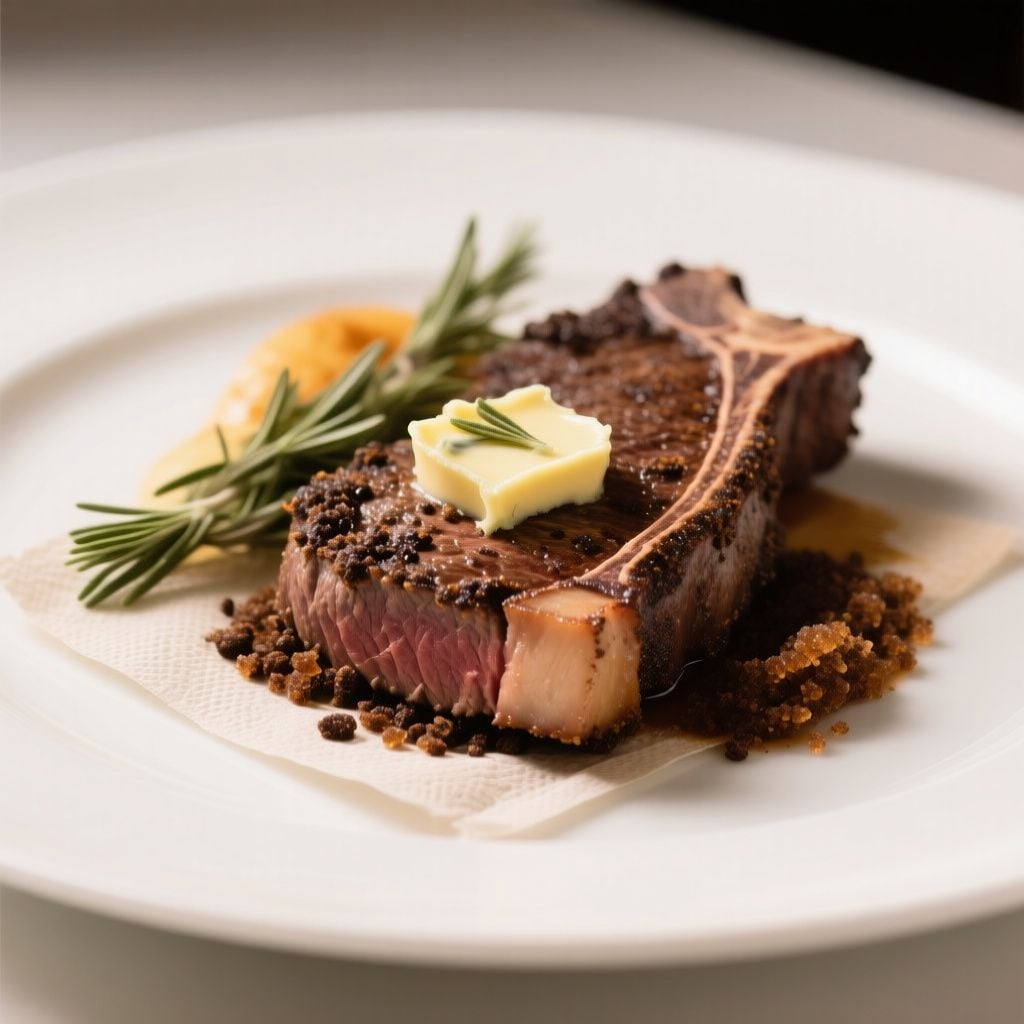
Spent-Coffee-Crusted Flank Steak with Rosemary Butter
90min
4
View Full Recipe →
Ready to simplify your meal planning?
Let OttoChef AI create personalized meal plans for your family — free to use, no credit card.