
How to Use Salt-Maceration for Crisp Meal Prep Salads
Learn the professional salt-maceration technique to stop salads from getting soggy. Keep your meal prep vegetables crisp, vibrant, and fresh for days.
Sarah Mitchell
Test Kitchen Director
July 26, 2026
5 min read
8 views
Every home cook who attempts to prep healthy lunches for the week has faced the same disappointing reality: the day-three soggy salad. You open your container to find a pool of dull, watery liquid at the bottom, limp cucumbers, and rubbery carrots. This happens because vegetables are composed of up to 95% water. When stored, cellular breakdown and osmotic pressure release this moisture, diluting your dressing and ruining the texture.
Fortunately, professional chefs have a simple, science-backed solution to this problem: salt-maceration. By strategically using salt to draw out excess moisture before packing your meals, you can prep crisp, vibrant salads that easily last four to five days in the refrigerator.
What is Maceration?
While we often associate maceration with soaking fruit in sugar and alcohol, the term scientifically refers to softening or breaking down food using a liquid or soluble agent. In savory cooking, dry-maceration with salt draws out moisture, concentrating the vegetable's natural sugars and firming up its cellular structure.
The Science of Salt and Osmosis
At the heart of this technique is a basic scientific principle: osmosis. Vegetable cells contain water locked behind semi-permeable membranes. When you sprinkle salt on the surface of a sliced vegetable, you create a high concentration of solute outside the cells. To balance this concentration, water moves from inside the cells to the outside.
As the excess water drains away, two things happen. First, the vegetable's flavor becomes more concentrated because it is no longer diluted by excess cellular water. Second, the cell walls collapse slightly, giving the vegetable a pleasant, flexible-yet-crisp texture that resists further wilting.
“Salting your vegetables ahead of time isn't just about seasoning; it's about engineering texture. It transforms a fragile, watery ingredient into a durable meal-prep workhorse.”
Chef J. Kenji López-AltWhich Vegetables Benefit from Maceration?
Not all vegetables are candidates for salt-maceration. Delicate leafy greens like butter lettuce, spinach, or arugula have thin cell walls that collapse completely under salt, turning them into a mushy mess. Save this technique for hardy, high-water vegetables that usually ruin meal preps.
- Cruciferous Vegetables: Cabbage, broccoli, and Brussels sprouts become tender and easy to chew without losing their bite.
- Cucurbits: Cucumbers, zucchini, and summer squash lose their watery cores, preventing soggy puddles.
- Root Vegetables: Carrots, radishes, and daikon become pliable and retain a clean snap.
- Alliums: Red onions and shallots lose their harsh, sulfurous bite while retaining their crisp texture.
Watch the Salt Quantity
Too much salt will leave your vegetables unpalatably salty, even after rinsing. Aim for about 1 teaspoon of kosher salt per pound of vegetables. If using fine table salt, cut that amount in half.
How to Master Salt-Maceration
Applying this technique to your weekly meal prep is simple and requires only an extra 15 to 30 minutes.
Slice and Uniformly Prep
Slice your target vegetables (like cabbage, cucumbers, or radishes) to your desired thickness. Consistent cuts ensure even salt distribution and uniform moisture loss.
Apply Salt and Toss
Place the sliced vegetables in a colander set over a bowl. Sprinkle with kosher salt (approx. 1 teaspoon per pound of prep) and toss thoroughly to coat every piece.
Let It Sweat
Allow the vegetables to sit at room temperature for 15 to 30 minutes. You will quickly see water dripping into the bowl below. Cabbage can handle up to 45 minutes, while delicate cucumbers only need about 15 minutes.
Express and Dry
Gently press down on the vegetables with your hands or a clean kitchen towel to express remaining loose moisture. For vegetables you want less salty (like cucumbers), rinse them quickly under cold running water, then thoroughly spin or pat them dry.
The Prep-Ahead Advantage
Once your macerated vegetables are dried, they are primed to absorb dressing without releasing water. You can actually toss them with vinaigrette on Sunday night, and they will remain crunchy and delicious through Thursday.
Integrating Macerated Vegetables into Your Meal Prep
Once you have prepared your macerated base, you can construct salads that actually improve with age. Cabbage-based slaws, cucumber-onion salads, and shredded root vegetable medleys are perfect candidates for this treatment.
Because the excess water has been removed, your salad dressings will not break down. Emulsified dressings like tahini, peanut sauce, or Greek yogurt-based vinaigrettes will cling perfectly to the vegetables instead of sliding off into a watery pool.
Layering is Still Key
Even with maceration, keep wet ingredients like tomatoes or cooked grains separate or layered at the bottom of your container, placing your sturdy macerated greens and vegetables on top.
Elevate Your Prep Game
Stop settling for mediocre, soggy lunches. By incorporating salt-maceration into your Sunday meal prep routine, you harness food science to create vibrant, restaurant-quality salads that hold up all week long. Experiment with different vegetable combinations, and enjoy the crunch of a perfectly preserved salad on Thursday afternoon.
Try This Recipe
Now that you've learned about the salt-maceration technique for long-lasting, non-soggy meal prep salads, put your knowledge into practice with this recipe:
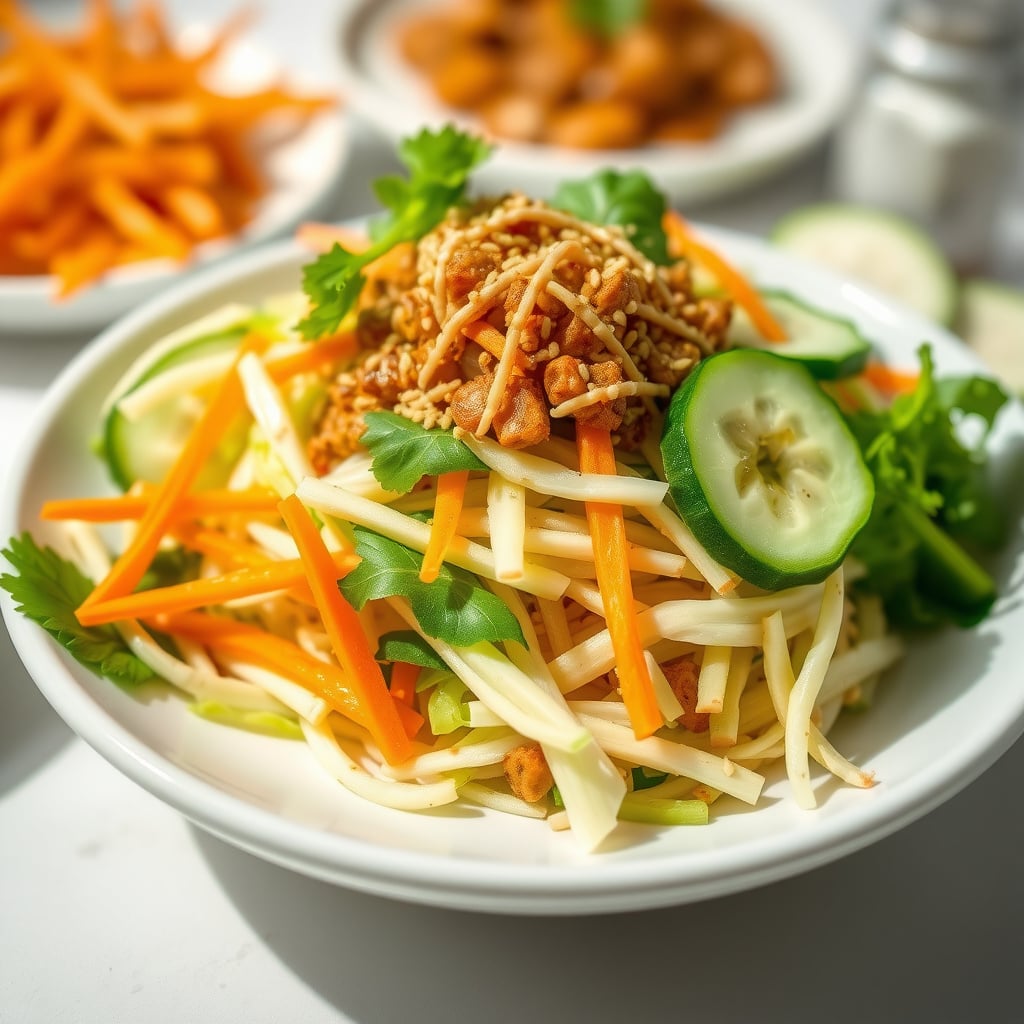
Sesame-Ginger Crunch Salad with Salt-Macerated Veggies
40min
4
View Full Recipe →
Ready to simplify your meal planning?
Let OttoChef AI create personalized meal plans for your family — free to use, no credit card.