
How to Use Parmesan Rinds to Elevate Budget-Friendly Broths
Learn how to transform leftover parmesan rinds into a powerful flavor booster for budget-friendly broths, soups, and stews with this zero-waste guide.
Lily Nakamura
Recipe Editor
August 1, 2026
5 min read
6 views
For many home cooks, the hard, pale end of a wedge of Parmesan cheese is an afterthought—a dry barrier destined for the compost bin once the soft cheese has been grated away. However, tossing this remnant out means discarding one of the most potent, cost-effective flavor enhancers in your kitchen.
In the realm of budget-friendly cooking, extracting maximum value from every ingredient is key. Parmesan rinds are a prime example of culinary upcycling. They possess concentrated pockets of umami that can transform a simple, water-based vegetable broth or a basic chicken stock into a rich, complex liquid with remarkable body and depth. Understanding how to use these rinds allows you to elevate inexpensive meals without spending an extra dime.
What is a Parmesan Rind?
To understand why rinds are so valuable, it helps to understand how cheese is made. A rind is not a synthetic casing or a wax coating. In traditional cheeses like Parmigiano-Reggiano, the rind is simply the exterior layer of the cheese that has dried out and hardened during the aging process. As the cheese ages for 12, 24, or even 36 months, moisture evaporates from the surface, concentrating the proteins, fats, and salt.
Because it is made entirely of cheese, the rind is 100% edible and safe to cook with. It is packed with free glutamates—the chemical compounds responsible for the savory sensation known as umami. When simmered, these glutamates dissolve into your cooking liquid, acting as natural flavor enhancers.
The Mark of Authenticity
Real Parmigiano-Reggiano rinds feature dotted stenciled letters spelling out the name on the exterior. This rind is entirely natural and safe to simmer. Avoid using rinds from cheeses coated in thick, colorful paraffin wax (like Gouda or some cheap cheddars), as synthetic wax will melt and ruin your broth.
How Rinds Transform Cheap Broths
When you are cooking on a budget, you may rely heavily on water, bouillon cubes, or cheap vegetable scraps (like onion skins and carrot tops) to build your soup bases. While these ingredients provide a foundation, they often lack the mouthfeel and complexity of long-simmered bone broths.
This is where the cheese rind excels. As it simmers, the hardened proteins and fats slowly break down and partially emulsify into the liquid. This process does two things:
- Deepens Savory Flavor: The glutamates integrate into the broth, giving it a savory, lingering finish.
- Improves Texture: The small amount of gelatinous protein and fat released by the rind adds body, giving a cheap broth a velvety texture that mimics the mouthfeel of a rich collagen-based stock.
“In traditional Italian home kitchens, discarding a cheese rind is considered a waste of the best part of the wheel. It is a foundational flavor builder that costs absolutely nothing.”
OttoChef Editorial TeamHow to Prep, Store, and Cook with Rinds
Building a habit of saving your rinds requires very little effort but yields high rewards.
Freezer Storage
Keep a designated, labeled zip-top bag in your freezer specifically for cheese rinds. Every time you finish a wedge of Parmesan, Pecorino, or Grana Padano, toss the rind into the bag. They will keep frozen indefinitely and can be used straight from the freezer without thawing.
To get the most out of your stored rinds, follow this simple technique when preparing your next batch of soup, broth, or stew:
Inspect and Clean
Examine the rind. If there are any paper labels or stubborn wax seals on the exterior, gently shave them off with a paring knife. A real Parmigiano-Reggiano rind only needs a quick rinse under cold water to remove any loose refrigerator crumbs.
Introduce to the Simmer
Add the rind directly to your pot during the simmering phase. It works best in liquids that will cook for at least 30 to 45 minutes. This gives the hardened rind enough time to soften and release its stored flavor compounds.
Stir Occasionally
As the rind heats up, it will become soft, sticky, and pliable. Stir your pot occasionally to prevent the softening rind from sinking to the bottom, sticking to the metal, and scorching.
Remove Before Serving
Before ladling out your finished dish, use a slotted spoon to fish out the remaining rind. It will have yielded its fats and flavors, leaving behind a chewy, rubbery mass. While some home cooks enjoy eating this softened rind as a kitchen snack, it should be removed from the final presentation.
Culinary Applications Beyond Vegetable Broth
While rinds are excellent in basic vegetable or chicken broths, their utility does not stop there. You can use them to add depth to several budget-friendly dishes:
- Beans and Lentils: Toss a rind into a pot of dried beans or lentils as they simmer. The beans will absorb the savory, salty notes of the cheese, resulting in a rich, flavorful broth that requires very little additional seasoning.
- Tomato-Based Sauces: A long-simmered marinara sauce benefits immensely from a cheese rind, which cuts through the high acidity of the tomatoes with its mellow, savory fats.
- Risottos and Grains: Use a rind-infused broth to cook grains like pearl barley, farro, or arborio rice to give them a built-in savory backbone.
Watch the Salt
Parmesan rinds contain a highly concentrated amount of sodium. When incorporating them into a broth or stew, hold back on adding extra salt until the very end of the cooking process. Taste your broth first, then adjust the seasoning as needed.
Elevating Your Kitchen Economics
Embracing zero-waste techniques like saving cheese rinds is one of the easiest ways to improve your cooking while respecting your grocery budget. It requires no expensive equipment, no exotic ingredients, and minimal effort. The next time you reach the end of a wedge of cheese, remember that you are holding the key to your next great batch of broth. Save it, simmer it, and taste the difference.
Try This Recipe
Now that you've learned about the zero-waste magic of parmesan rinds: deepening the flavor of budget-friendly broths, put your knowledge into practice with this recipe:
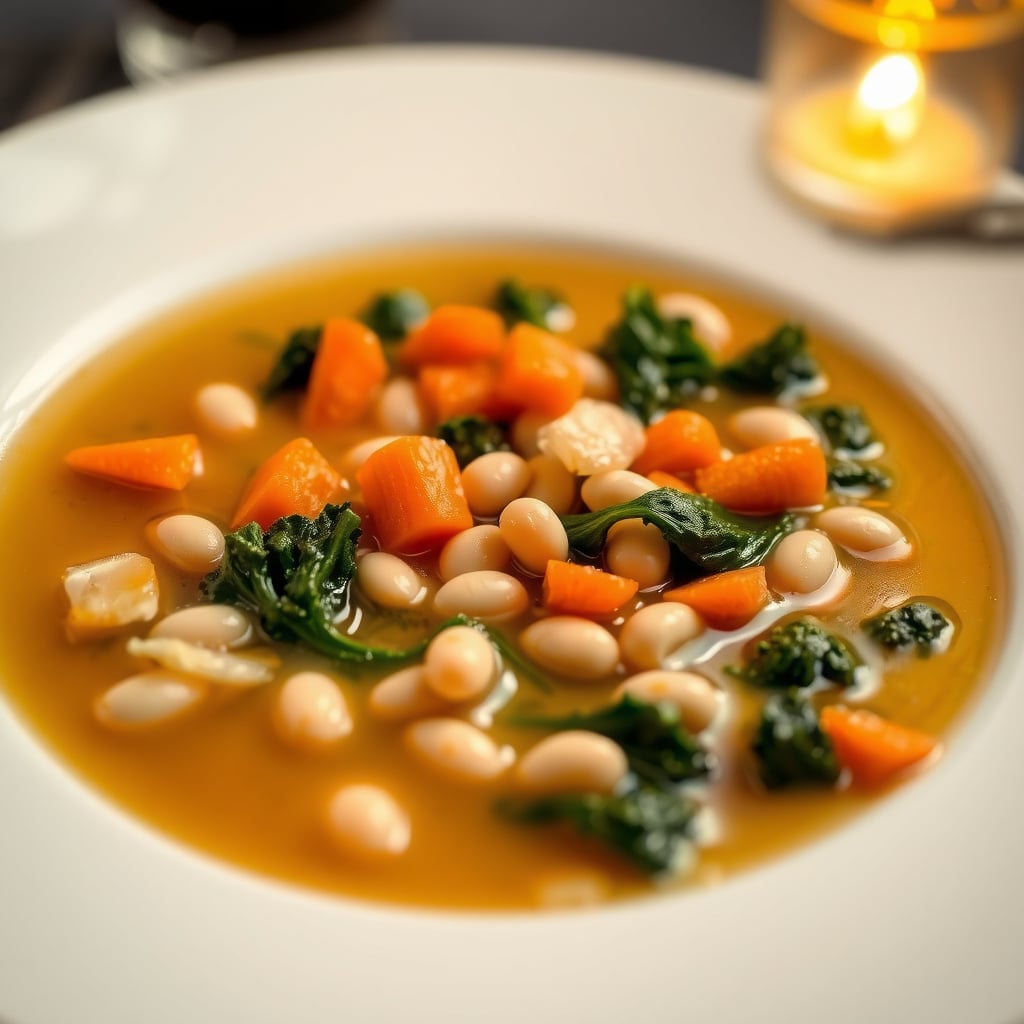
Tuscan White Bean and Kale Soup with Parmesan-Infused Broth
60min
4
View Full Recipe →
Ready to simplify your meal planning?
Let OttoChef AI create personalized meal plans for your family — free to use, no credit card.