
How to Tenderize Budget Beef with Upcycled Pineapple Cores
Transform inexpensive, tough cuts of beef into tender steaks using natural bromelain enzymes from upcycled pineapple cores. Learn the kitchen science today.
Sarah Mitchell
Test Kitchen Director
October 21, 2026
4 min read
2 views
Shopping for meat on a budget often leaves home cooks with tough cuts like eye of round, chuck, or flank steak. While these economical cuts possess rich, beefy flavor, their thick collagen networks and dense muscle fibers can make them chewy if cooked quickly. Slow-braising is one solution, but when you want a quick weeknight stir-fry or a fast grilled steak, enzymatic tenderization is your best secret weapon.
Instead of buying expensive store-bought meat tenderizer powders, you can harness powerful natural enzymes found in kitchen scraps you would normally toss away: pineapple cores. By understanding the chemistry of bromelain and applying a zero-waste mindset, you can turn tough budget beef into tender, restaurant-quality bites in less than an hour.
The Science of Bromelain: Nature's Protease
Pineapples contain a powerful group of protein-digesting enzymes known collectively as bromelain. Bromelain acts as a protease, meaning it actively breaks down long-chain protein molecules into smaller amino acid fragments. When applied to raw beef, these enzymes target muscle fibers and connective collagen, relaxing the tough matrix that makes cheap cuts hard to chew.
What is Bromelain?
Bromelain is a complex mixture of protein-digesting enzymes found throughout the pineapple plant. Because the core contains the highest concentration of these enzymes, it is the most potent part of the fruit for breaking down dense proteins.
While chemical marinades relying on acids like vinegar or lemon juice tenderize by denaturing surface proteins, they work slowly and can make the exterior leathery. Bromelain cuts through tough connective tissue rapidly, softening the meat far faster than acidic marinades ever could.
Why Pineapple Cores Are Perfect for Upcycling
The central core of a pineapple is frequently discarded because its dense, fibrous texture makes it unpleasant to eat raw. However, that fibrous nature is precisely where the fruit concentrates its highest enzyme density. Using the core for tenderizing keeps edible pineapple flesh available for eating while preventing valuable culinary scrap from ending up in the trash.
Fresh vs. Canned
Always use fresh, unheated pineapple core for tenderizing. Canned pineapple or pre-cooked juice has been heat-pasteurized, which deactivates (denatures) the bromelain enzymes, leaving it useless for breaking down meat.
Step-by-Step: The Core Enzymatic Tenderizing Method
Using pineapple core to tenderize beef requires precise execution. Because bromelain is remarkably aggressive, proper technique ensures you achieve maximum tenderness without altering the structural integrity of the meat.
Extract and Prep the Core
When peeling and slicing a fresh pineapple, cut out the tough, woody central cylinder. Chop the core into small, manageable chunks.
Puree the Scraps
Place the core chunks into a blender or food processor with a tablespoon of water, light soy sauce, or citrus juice. Blend until you achieve a smooth paste.
Apply and Time the Marinade
Rub the puree evenly over all surfaces of your beef. Set a strict timer based on the thickness of the meat. Thinly sliced beef requires only 15 to 20 minutes, while whole thick-cut steaks should marinate for 30 to 45 minutes maximum.
Rinse and Pat Dry
Once the timer goes off, thoroughly rinse the pineapple puree off the beef under cold running water. Pat the meat completely dry with paper towels before seasoning and cooking.
Crucial Timing: Avoiding the Mushy Meat Trap
The most common mistake cooks make with enzymatic tenderizers is leaving them on the meat for too long. Unlike traditional oil-and-vinegar marinades that can sit overnight, bromelain does not know when to stop working. If left unchecked, it will digest the proteins past the point of tenderness, leaving your steak mushy and unappetizing.
Watch the Clock!
Enzymatic tenderization does not plateau over time. Leaving beef in a bromelain marinade for longer than 60 minutes will destroy the meat's grain, resulting in a mealy, pasty texture that cannot be salvaged.
“Understanding enzymatic activity transforms low-cost pantry scraps into a precision tool for elevating budget cooking.”
OttoChef Culinary TeamFlavor Pairings and Storage Tips
Because you rinse the pineapple core puree off before cooking, your beef will not taste strongly of fruit. However, subtle floral notes will remain, which pair exceptionally well with Latin American, Southeast Asian, and East Asian flavor profiles. Try pairing your tenderized beef with garlic, ginger, soy sauce, toasted sesame oil, or chili flakes.
Zero-Waste Freezing
Blend extra pineapple cores in bulk and freeze the puree in ice cube trays. Transfer the frozen cubes to a freezer bag, and thaw one cube whenever you need to tenderize a quick weeknight beef cut.
By combining simple biochemistry with food scrap upcycling, you can consistently buy budget-friendly beef cuts and transform them into juicy, tender dishes while keeping your grocery bills low.
Try This Recipe
Now that you've learned about using upcycled pineapple core bromelain enzymes to rapidly tenderize tough budget beef, put your knowledge into practice with this recipe:
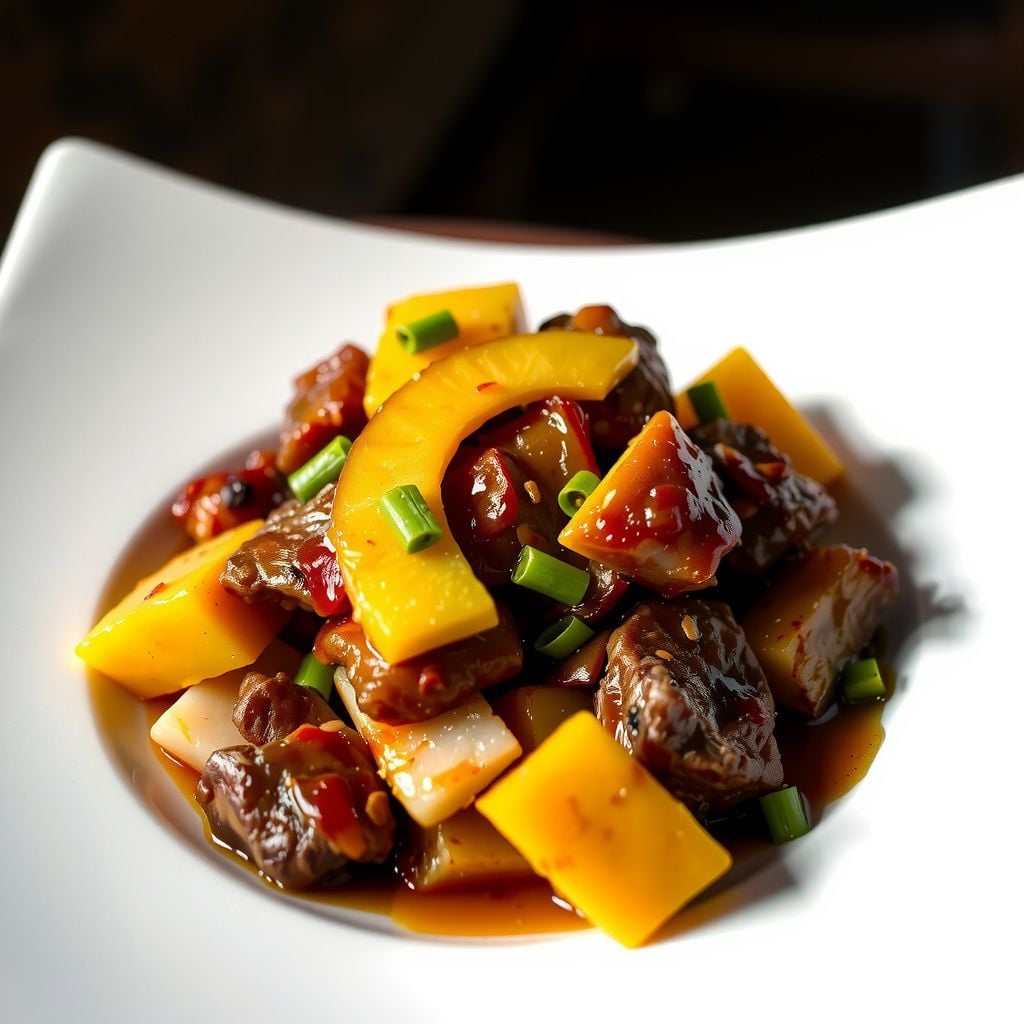
Upcycled Pineapple-Tenderized Beef Stir-Fry
40min
4
View Full Recipe →
Ready to simplify your meal planning?
Let OttoChef AI create personalized meal plans for your family — free to use, no credit card.