
How to Freeze Tofu for a Meaty, Budget-Friendly Texture
Unlock the culinary potential of cheap tofu. Learn how the science of freeze-thaw ice crystallization transforms soft tofu into a chewy, marinade-absorbing protein.
Sarah Mitchell
Test Kitchen Director
September 25, 2026
6 min read
4 views
Tofu is one of the most budget-friendly, nutrient-dense proteins in the grocery store, yet it often gets a bad reputation for being bland, watery, or difficult to flavor. If you have struggled to make inexpensive block tofu exciting, the solution does not require expensive ingredients or specialty kitchen gear. Instead, you can completely re-engineer its structure using a simple thermodynamic process: freezing.
By understanding how water behaves when it transitions from liquid to solid, you can turn a standard, inexpensive block of firm tofu into a chewy, meat-like ingredient that absorbs marinades like a sponge. Here is how to harness ice crystallization to elevate your budget cooking.
The Science of Freeze-Thaw Transformation
To understand why freezing tofu works, we must look at its physical structure. Tofu is made by coagulating soy milk, creating a complex, three-dimensional network of proteins that traps a significant amount of water. In a fresh block of firm tofu, this water is held tightly within microscopic pockets.
When you place tofu in the freezer, that trapped water begins to freeze. As liquid water transitions into ice, its volume expands by approximately nine percent. This expansion forces the water molecules to organize into sharp, hexagonal ice crystals. These growing crystals act like microscopic knives, pushing apart the soy protein strands and stretching the pockets within the tofu matrix.
A Centuries-Old Tradition
While freezing tofu might seem like a modern kitchen hack, it has been practiced for centuries across East Asia. In Japan, freeze-dried tofu is known as *kori-dofu*, historically developed by Buddhist monks as a preservation method. In China, *dong doufu* (frozen tofu) is a traditional winter staple, highly prized for its unique texture and its ability to soak up rich, boiling hot pot broths.
Once the tofu is thawed, the ice melts back into liquid water. However, the soy protein network does not snap back to its original shape. Instead, the stretched pockets remain wide open, leaving behind a highly porous, spongy structure. Because the water is no longer trapped within the protein matrix, it can be squeezed out easily with minimal pressure.
“By changing the physical state of the water inside the tofu, we aren't just preserving it—we are structurally re-engineering a budget ingredient into a culinary sponge.”
OttoChef Culinary LabStep-by-Step: The Freeze-Thaw Technique
This technique requires minimal hands-on time but does require some planning ahead. Follow these steps to transform your next block of budget tofu.
Drain and Prep
Remove the tofu from its packaging. While you do not need to press it fully yet, draining away the excess packing water prevents a solid block of exterior ice from forming around the tofu.
Portion the Tofu
Decide whether to freeze the tofu whole or pre-cut. Freezing the block whole yields a more uniform, layered interior structure. Freezing the tofu pre-cut into cubes or slabs speeds up both the freezing and thawing times, making it a great option for quick weekday meals.
Deep Freeze
Place the prepared tofu in an airtight, freezer-safe bag or container. Freeze it for at least 24 hours. You will notice the tofu changes color from creamy white to a distinct yellowish-amber. Do not worry; this color change is a natural optical effect of the ice crystals and will disappear once thawed.
Thaw and Express
Thaw the tofu in the refrigerator overnight, or submerge the sealed bag in a bowl of warm water for a faster thaw. Once completely thawed, place the tofu between your palms and gently press. The water will release effortlessly, leaving you with a dry, spongy block ready to absorb flavor.
Choose the Right Tofu
This technique works exceptionally well with firm, extra-firm, or super-firm tofu. Do not use silken tofu for this method. Because silken tofu has a much higher water content and a very delicate protein structure, freezing will cause it to break down into a watery, crumbly mush rather than a chewy, cohesive sponge.
Maximizing Flavor and Texture in the Pan
Once your tofu has been frozen, thawed, and pressed, you will immediately notice the difference. It will feel springy, elastic, and remarkably durable. This structural change offers two major culinary advantages: superior marinade absorption and an improved sear.
Unparalleled Marinade Absorption
Regular tofu has a low rate of absorption because its microscopic pockets are already filled with water. Frozen and thawed tofu, however, acts as an empty sponge. The moment you submerge it in a marinade, capillary action draws the liquid deep into the center of the tofu, seasoning it from the inside out.
Faster, Crispier Searing
Moisture is the enemy of a good sear. When you pan-fry regular tofu, a large amount of energy is spent evaporating the surface moisture before the Maillard reaction (browning) can begin. Because frozen-thawed tofu releases its water so easily during the pressing stage, its surface is much drier. This allows you to achieve a deeply browned, crispy crust in a fraction of the time, using less oil.
The Double-Freeze Method
For an even denser, more fibrous texture that closely mimics chicken, try double-freezing. Freeze the tofu, thaw it, press out the water gently, place it back in the freezer bag, and freeze it a second time. This second cycle fractures the protein walls even further, creating thin, distinct layers within the tofu.
How to Use Your Transformed Tofu
Now that you have mastered the technique, you can apply it to a variety of low-cost meals.
- Stir-Fries: Tear the tofu into rustic, bite-sized chunks instead of cutting it with a knife. The irregular, torn edges will catch more sauce and develop extra crispy ridges when seared in a hot skillet.
- Simmered Dishes and Curries: Toss the pressed, frozen-thawed tofu directly into a simmering curry, coconut broth, or tomato sauce. It will instantly drink up the cooking liquid, ensuring every bite is bursting with flavor.
- Crispy Baked Nuggets: Toss the pieces in a little soy sauce, coat them in cornstarch, and bake or air-fry. The interior remains tender and chewy while the exterior develops an incredible crunch.
By shifting your perspective from viewing tofu as a soft block to seeing it as a structural canvas, you can unlock incredible texture on a budget. Grab a block of firm tofu on your next grocery run, toss it straight into the freezer, and experience this simple culinary transformation for yourself.
Try This Recipe
Now that you've learned about harnessing freeze-thaw ice crystallization to transform budget tofu textures, put your knowledge into practice with this recipe:
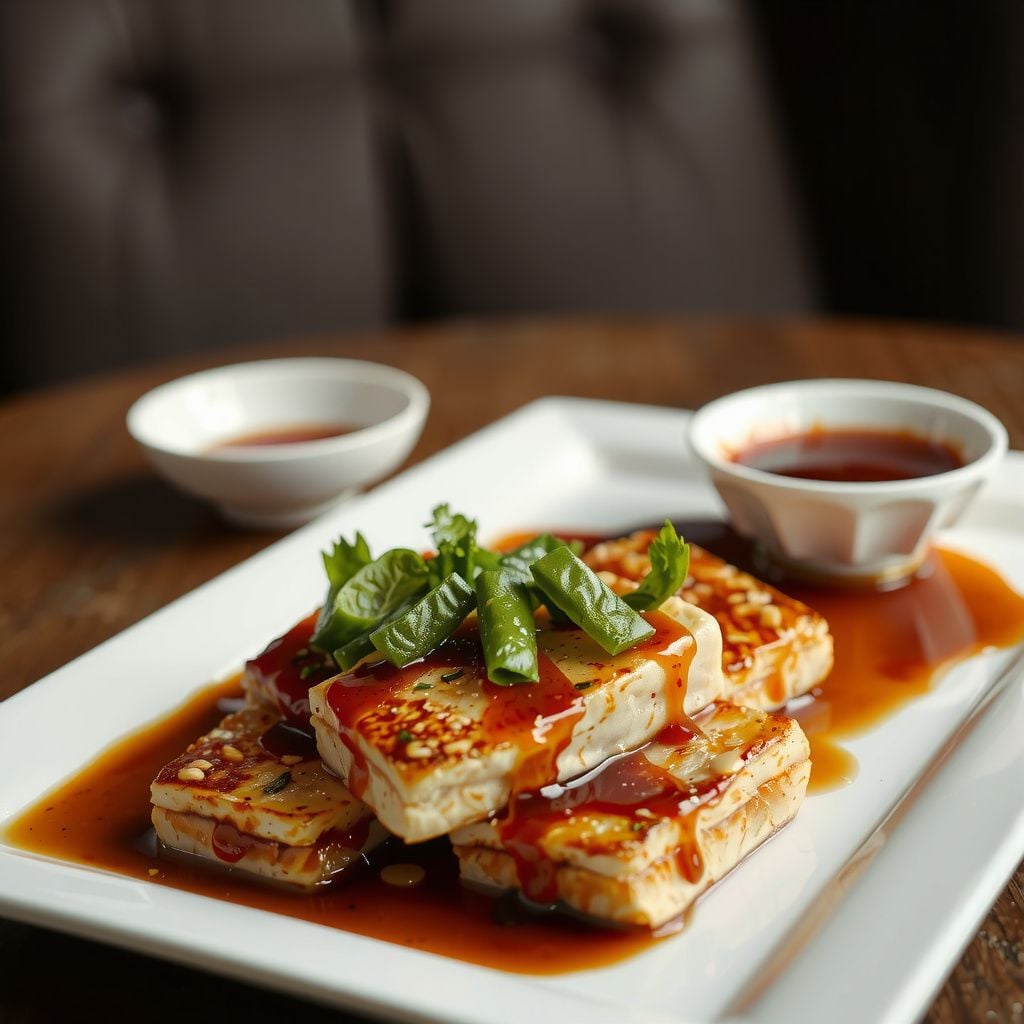
Crispy Sichuan-Glazed Freeze-Thaw Tofu
37min
4
View Full Recipe →
Ready to simplify your meal planning?
Let OttoChef AI create personalized meal plans for your family — free to use, no credit card.