
How to Extract Rich Glutamates from Leftover Parmesan Rinds
Unlock deep umami flavor and stretch your kitchen budget by learning how to extract rich glutamates from leftover Parmesan rinds for stocks and savory broths.
Daniel Park
Culinary Contributor
October 5, 2026
5 min read
Every time you scrape the last wedge of Parmigiano-Reggiano and toss the hard, pale rind into the trash, you are throwing away some of the most concentrated flavor in your kitchen. That stubborn, rock-hard exterior is not a plastic coating or a useless byproduct. It is a goldmine of natural glutamates, the chemical compounds responsible for the deeply satisfying, savory taste known as umami. For budget-conscious home cooks, mastering the art of extracting these glutamates is one of the simplest ways to elevate basic stocks, broths, and sauces from flat to spectacular without spending an extra dime.
To understand why these rinds are so valuable, we have to look at how cheese ages. As Parmigiano-Reggiano matures over 12 to 36 months, moisture evaporates, and enzymes break down the milk proteins into free amino acids—specifically, glutamic acid. As the exterior of the cheese dries out to form the protective rind, these savory compounds become incredibly concentrated.
The Science of Umami
Glutamic acid is an amino acid that triggers our 'umami' taste receptors, signaling high-protein, deeply savory foods. Parmesan boasts one of the highest concentrations of natural glutamates of any ingredient, second only to MSG itself. Only the moisture has left the rind; the savory molecules remain concentrated inside.
The Philosophy of Cucina Povera
This technique is rooted in the Italian culinary tradition of cucina povera, or "poor cooking." Historically, rural Italian cooks could not afford to waste any ingredient. They recognized that while the rind was too tough to grate over pasta, it still held immense culinary value. By simmering the rinds in water, bean cooking liquids, or simple vegetable broths, they unlocked a rich, velvety body and savory depth that made simple, inexpensive meals taste luxurious.
Wax vs. Rind
Ensure your cheese is authentic Parmigiano-Reggiano or similar high-quality aged cheeses (like Grana Padano or Pecorino Romano) which have natural, edible rinds. Avoid cheap domestic cheeses that use paraffin wax rinds, which will melt into a plastic mess in your soup.
How to Extract the Savory Essence
Extracting glutamates from a Parmesan rind requires patience and heat. Because the proteins are tightly bound in the dehydrated rind, a quick boil will not suffice. You need a gentle, slow extraction to draw out the flavor and the natural gelatinous proteins that give broths a rich mouthfeel.
Collect and Store
Never throw away a rind. Wrap your spent cheese rinds tightly in plastic wrap or beeswax wrap, place them in a freezer-safe bag, and store them in your freezer. They will keep indefinitely, allowing you to build up a stockpile until you are ready to make a batch of stock.
Prep and Clean
Before using your stored rinds, inspect them. If there is any wax coating or paper labels, slice them off with a sharp knife. If the rind has gathered any dust or refrigerator debris, give it a quick rinse under cold water and scrape the surface lightly with a knife.
The Gentle Simmer
Add your rinds directly to your simmering liquid—whether it is water, a basic vegetable stock, or a chicken broth. Keep the heat low. The liquid should barely bubble. High heat can cause the cheese proteins to seize, turn rubbery, or scorch on the bottom of the pot.
Strain and Stir
Simmer the rinds for at least 45 minutes to 2 hours. As they cook, they will soften and become intensely sticky. Stir the pot occasionally to prevent the rinds from adhering to the bottom. Once finished, remove the softened rinds with a slotted spoon before serving or storing your broth.
“In traditional Italian kitchens, nothing of value is ever discarded. The parmesan rind is not trash; it is a concentrated capsule of pure flavor, waiting to be unlocked.”
Nonna's Kitchen WisdomPractical Applications in the Kitchen
Once you have mastered the basic extraction, you can apply this technique to a wide variety of everyday dishes.
- Elevating Store-Bought Broth: If you only have a carton of basic chicken or vegetable broth on hand, simmering a single Parmesan rind in it for 30 minutes will add a homemade, slow-cooked depth that tastes like it simmered for hours.
- The Ultimate Bean Broth: Dried beans are highly economical, but their cooking liquid can sometimes taste flat. Dropping a rind into the pot with your beans and aromatics creates a luxurious, savory broth that can be used as the base for soups.
- Grains and Risottos: Use your cheese-infused broth to cook farro, barley, or arborio rice. The grains will absorb the glutamates directly, resulting in a much more flavorful side dish.
The Toasting Trick
For an even deeper, nuttier flavor, lightly toast your parmesan rinds under the broiler or in a dry skillet for 1-2 minutes before adding them to your liquid. This initiates the Maillard reaction, compounding the savory depth.
Preventing Scorching
Parmesan rinds contain proteins and residual sugars that can stick to the bottom of your pot and burn. Keep your extraction temperature at a gentle simmer and stir occasionally, especially if using a thin-bottomed pot.
By treating cheese rinds as a valuable ingredient rather than waste, you not only stretch your grocery budget but also gain access to a powerful culinary tool. The next time you reach the end of a wedge of cheese, wrap up that rind and save it—your future soups and broths will thank you.
Try This Recipe
Now that you've learned about how to extract rich glutamates from leftover parmesan rinds for savory broths, put your knowledge into practice with this recipe:
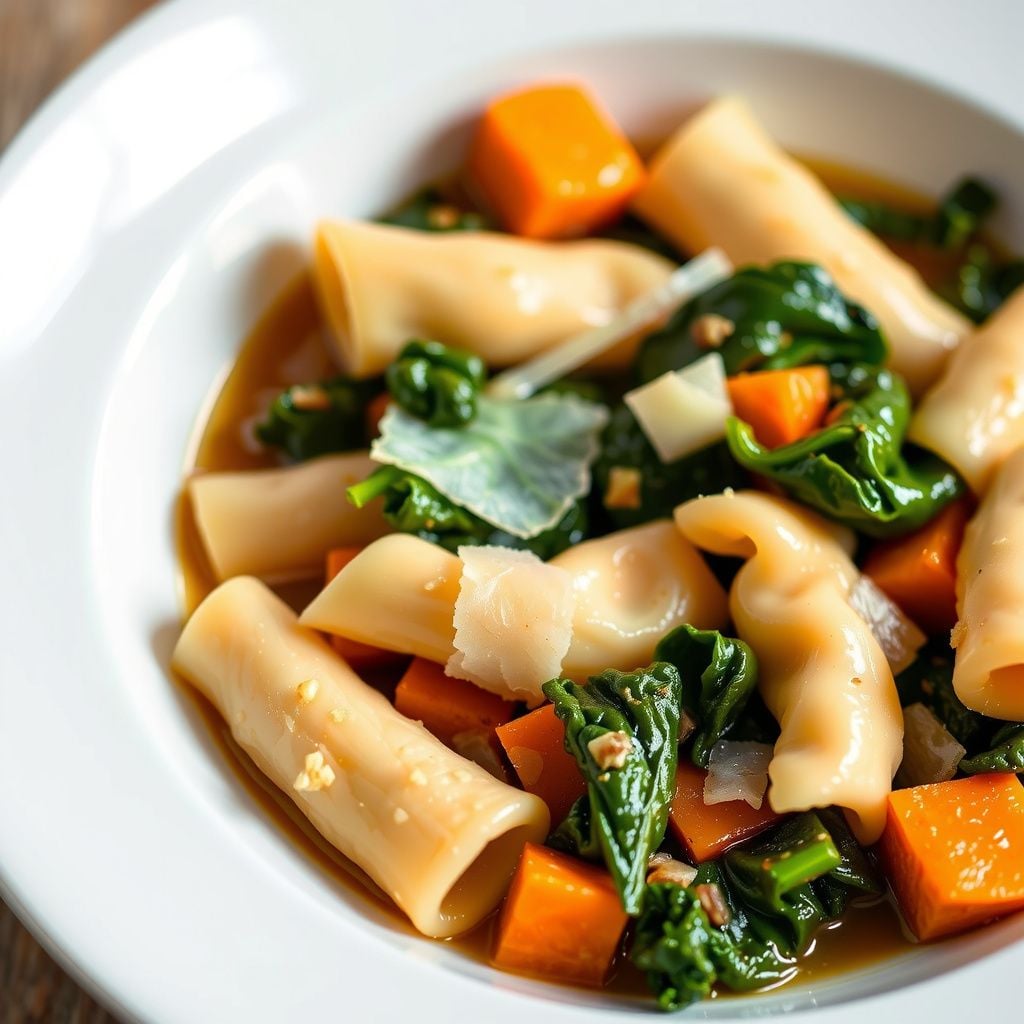
Tuscan Cannellini and Kale Stew in Savory Parmesan Broth
60min
4
View Full Recipe →
Ready to simplify your meal planning?
Let OttoChef AI create personalized meal plans for your family — free to use, no credit card.