
How Long Does Meal Prep Last? Storage Timelines That Keep Food Safe
Master food storage with science-backed timelines and expert techniques. Learn how to keep prepped ingredients fresh, prevent spoilage, and maximize your meal prep efforts.
James Okonkwo
Food Writer
March 13, 2026
8 min read
82 views
You spent Sunday afternoon chopping vegetables, marinating proteins, and portioning grains. But by Wednesday, you're staring into your fridge wondering: is this still safe to eat?
Understanding food storage timelines isn't just about preventing waste—it's about keeping your family safe while maximizing the efficiency of your meal prep efforts. The difference between crisp, flavorful ingredients and soggy, questionable leftovers often comes down to knowing what to store, how to store it, and for how long.
The Science of Food Spoilage
Before diving into specific timelines, let's understand what we're fighting against. Food spoilage happens through three primary mechanisms: bacterial growth, enzymatic activity, and oxidation. Temperature control is your most powerful weapon—bacteria multiply rapidly between 40°F and 140°F, the "danger zone" that makes proper refrigeration critical.
The 2-Hour Rule
Never leave perishable foods at room temperature for more than 2 hours (1 hour if the temperature is above 90°F). This applies to everything from raw chicken to cooked rice. Bacteria can double in number every 20 minutes in the danger zone.
When you prep food in advance, you're essentially starting the spoilage clock earlier. Raw ingredients have natural defense mechanisms—intact cell walls, protective skins, antimicrobial compounds—that break down the moment you cut, wash, or cook them. This is why a whole onion lasts weeks but diced onion needs refrigeration and stays fresh for just days.
Raw Proteins: The Shortest Shelf Life
Raw meat, poultry, and seafood demand the most attention in your meal prep timeline. These protein-rich, moisture-laden foods are bacterial playgrounds if mishandled.
Ground meats are particularly vulnerable because grinding exposes more surface area to bacteria. Use within 1-2 days of refrigeration, or freeze immediately for up to 3-4 months. The same timeline applies to ground poultry.
Whole cuts of beef, pork, or lamb last 3-5 days refrigerated. Marinating doesn't extend this timeline—in fact, acidic marinades can start breaking down proteins, making the texture mushy if left too long. If you're marinating for meal prep, do it the night before cooking, not days in advance.
Poultry pieces (chicken breasts, thighs, wings) stay fresh 1-2 days in the refrigerator. Yes, this is shorter than beef or pork. Poultry's higher moisture content and specific pH level make it more susceptible to bacterial growth.
Fish and shellfish are the most delicate, lasting just 1-2 days refrigerated. The tell-tale "fishy" smell develops when bacteria break down compounds in the flesh—if you smell it, don't eat it.
The Freeze-Then-Thaw Trap
Never refreeze raw proteins that have been thawed unless you cook them first. Each freeze-thaw cycle damages cell structure, creating moisture loss and texture degradation. It also gives bacteria more opportunities to multiply during thawing periods.
Cooked Foods: Longer Life, Different Rules
Cooking kills most bacteria, giving you a longer storage window—but it also removes those natural defense mechanisms. Cooked foods generally last 3-4 days refrigerated, regardless of the original ingredient.
Cooked grains (rice, quinoa, farro, pasta) keep well for 4-6 days if stored properly. The key is cooling them quickly after cooking—spread hot grains on a sheet pan for 15 minutes before refrigerating to prevent condensation, which creates bacterial breeding grounds.
The Rice Exception
Cooked rice deserves special attention due to Bacillus cereus, a bacteria that survives cooking and multiplies rapidly at room temperature. Refrigerate rice within 1 hour of cooking, and reheat it to steaming hot (165°F) before eating. When in doubt, throw it out—rice is cheap compared to food poisoning.
Cooked vegetables vary widely. Hardy vegetables like roasted root vegetables or sautéed greens last 4-5 days. Delicate vegetables like zucchini or asparagus start losing texture after 2-3 days. Tomato-based preparations last longer than cream-based ones due to acidity.
Soups and stews are meal prep champions, lasting 4-5 days refrigerated or 2-3 months frozen. Their high liquid content distributes heat evenly during reheating, making them safer than drier dishes. Cool them in shallow containers (no more than 2 inches deep) to bring the temperature down quickly.
"The biggest mistake home cooks make isn't storing food incorrectly—it's storing it too late. Get food into the refrigerator within 2 hours of cooking, and you've already won half the battle."
Food Safety ExpertFresh Produce: The Wildcard Category
Vegetables and fruits operate on their own timelines, influenced by ethylene production, moisture content, and how they're cut.
Leafy greens are notoriously finicky. Washed and dried lettuce lasts 3-5 days in a container with paper towels to absorb moisture. Heartier greens like kale or collards last 5-7 days. Never store greens wet—excess moisture is the enemy.
Chopped vegetables depend on their water content. High-moisture vegetables (cucumbers, tomatoes, peppers) last 2-3 days. Low-moisture vegetables (carrots, celery, broccoli) last 4-5 days. Store them in airtight containers with a slightly damp paper towel—not wet, just damp—to maintain crispness without promoting mold.
Cut fruit oxidizes quickly. Apples and pears brown within hours. A squeeze of lemon juice slows oxidation but doesn't stop it. Plan to use cut fruit within 1-2 days for best quality. Berries are even more delicate—wash them only when ready to eat, as moisture accelerates mold growth.
The Blanching Advantage
Blanching vegetables before storage—briefly boiling then shocking in ice water—deactivates enzymes that cause deterioration. Blanched green beans, broccoli, or snap peas last 5-7 days and reheat beautifully. This technique is worth the extra 10 minutes for vegetables you'll use later in the week.
Strategic Storage Techniques
How you store food matters as much as how long you store it.
Cool It Down
Divide hot food into shallow containers (2 inches deep maximum) to speed cooling. Never put hot food directly into the refrigerator—it raises the internal temperature, compromising everything else stored there. Let it cool on the counter for 30 minutes, then refrigerate.
Choose the Right Container
Glass containers don't absorb odors or stains and allow you to see contents at a glance. Plastic containers are lighter and stack better. Both work—just ensure they're airtight. Leave 1/2 inch of headspace in containers you'll freeze, as food expands when frozen.
Label Everything
Use masking tape and a permanent marker to note contents and date. "Chicken curry, 11/15" tells you exactly what you're dealing with and whether it's still safe. This 5-second habit prevents countless "what is this?" moments.
Organize by Timeline
Store foods with the shortest shelf life at eye level where you'll see them first. Push longer-lasting items to the back. This simple organization prevents the "forgotten container syndrome" that leads to waste.
When in Doubt, Trust Your Senses (But Know the Limits)
Your nose, eyes, and taste buds are valuable tools, but they're not foolproof. Some dangerous bacteria produce no odor or visible signs. Follow these guidelines:
Smell: Off odors, sour smells, or anything unusual means discard immediately. But remember—pathogenic bacteria that cause food poisoning don't always smell.
Appearance: Mold, sliminess, or discoloration are clear signs of spoilage. With mold, discard the entire container—those white fuzzy spots have roots extending throughout the food.
Texture: If cooked food feels slimy or sticky, or vegetables have become mushy, the quality has degraded past the point of palatability, even if it's technically safe.
The Taste Test Trap
Never taste food to determine if it's safe. Harmful bacteria can be present without affecting flavor. If you're questioning whether something is still good, the answer is no. The cost of replacing a container of food is nothing compared to the misery of foodborne illness.
Freezing: Your Meal Prep Insurance Policy
When properly frozen, most foods last 2-3 months with good quality, and up to 6 months safely (though texture and flavor may decline). Freezing doesn't kill bacteria—it just puts them in hibernation—so only freeze fresh, properly handled food.
Freezer burn happens when moisture evaporates from food surfaces, leaving dry, grayish-brown patches. It's not dangerous, just unappetizing. Prevent it by removing as much air as possible from containers or bags, and maintaining a consistent freezer temperature of 0°F or below.
Some foods freeze better than others. Soups, stews, cooked grains, and proteins freeze beautifully. Dairy-based sauces may separate. High-water vegetables like lettuce or cucumbers turn to mush. Cooked pasta becomes mushy—slightly undercook it if you plan to freeze.
The Flash Freeze Method
For items like meatballs, cookie dough, or burger patties, freeze them individually on a parchment-lined sheet pan for 2 hours, then transfer to a freezer bag. This prevents them from freezing into one solid mass, letting you grab exactly what you need.
Building Your Meal Prep Timeline
Now that you understand the science and timelines, here's how to structure your weekly meal prep:
Sunday: Prep ingredients with the longest shelf life—roast vegetables, cook grains, portion proteins for freezing, make soups.
Wednesday: Mid-week mini-prep—wash and chop vegetables for Thursday and Friday, marinate proteins for the next night.
Daily: Prep delicate items like salads or cut fruit the morning you'll eat them.
This staggered approach ensures everything is consumed at peak freshness while still saving time compared to cooking from scratch every night.
Meal prep mastery isn't about spending one marathon day in the kitchen. It's about understanding which foods last, which don't, and planning accordingly. When you align your prep schedule with natural food timelines, you'll waste less, stress less, and eat better throughout the week.
Start with one new storage technique this week—whether it's labeling containers, blanching vegetables, or organizing your fridge by timeline. Small improvements in food storage compound into significant time savings and better meals over time.
Try This Recipe
Now that you've learned about keeping prepped food fresh: storage tips and timelines, put your knowledge into practice with this recipe:
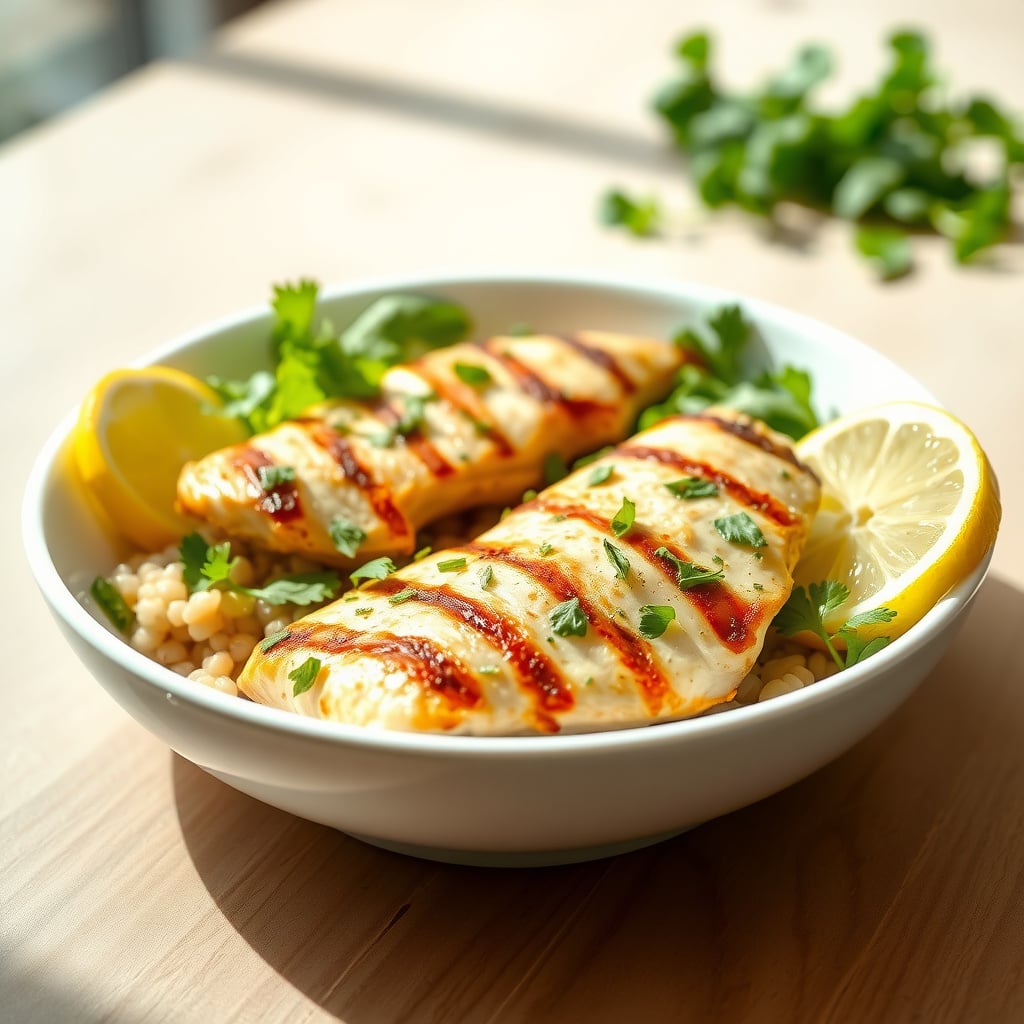
Mediterranean Grain Bowl with Herb-Marinated Chicken
45min
4
View Full Recipe →
Ready to simplify your meal planning?
Let OttoChef AI create personalized meal plans for your family in seconds.