
How Deconstructed Meals End Short-Order Family Cooking
Learn how to stop cooking multiple dinners. Deconstructed meals allow picky eaters and adventurous parents to enjoy the same dinner without the stress.
Sarah Mitchell
Test Kitchen Director
August 2, 2026
5 min read
5 views
Preparing dinner for a family often feels less like a cohesive culinary act and more like managing a busy short-order diner. You find yourself cooking plain pasta for one child, chicken with the sauce strictly on the side for another, and wishing you could just enjoy a single, well-seasoned meal with your partner. This constant accommodation leads to kitchen fatigue and deprives your family of exploring new flavor profiles together.
Fortunately, there is a practical alternative that respects both your time and your family's diverse preferences: the deconstructed meal. By changing how you present and assemble dinner, you can serve one set of ingredients that satisfies adventurous adults and cautious kids alike.
The Philosophy of Deconstructed Dining
A deconstructed meal is not about avant-garde restaurant plating. In a home kitchen, deconstruction simply means serving the components of a dish separately rather than pre-mixing them. Instead of presenting a fully tossed stir-fry, a layered casserole, or a dressed salad, you present the base, proteins, vegetables, and sauces in individual bowls or on a large platter.
This approach shifts the responsibility of assembly from the cook to the diner. Adults can build a complex, highly seasoned plate, while children can select the elements they feel comfortable eating.
The Psychology of Choice
Research in child development shows that giving children autonomy over what goes onto their plates significantly reduces mealtime anxiety and actually increases their willingness to try new foods over time.
By offering choices within a controlled framework, you eliminate the power struggles that often define family dinners.
Designing Your Deconstructed Menu
Successfully executing this strategy requires a simple shift in how you plan your meals. Instead of thinking of dishes as singular entities, view them as a collection of modular building blocks.
“When we stop acting as short-order cooks, we shift the family dynamic from dinner table negotiation to shared culinary exploration.”
OttoChef Culinary TeamTo build a successful deconstructed meal, follow this three-step blueprint:
Establish the Core Base
Choose a neutral, universally accepted foundation. This could be jasmine rice, quinoa, rice noodles, flatbreads, or crisp romaine lettuce.
Prepare Distinct Components
Cook your proteins and vegetables separately. Keep the seasonings simple during the cooking process, allowing the natural flavors of the ingredients to stand out.
Offer Customization Sauces
This is where you bridge the gap between simple and sophisticated. Provide one mild, familiar sauce and one or two bolder, more complex dressings or condiments.
Transforming Classic Dishes
Many classic international cuisines naturally lend themselves to this style of eating. Consider how easily you can adapt these favorites:
- Thai Curry Bowls: Instead of simmering vegetables and chicken in a spicy coconut curry broth, serve a platter of steamed jasmine rice, poached chicken slices, steamed broccoli, and bell peppers. Keep the aromatic curry sauce in a separate pot. Adults can drench their bowls in curry sauce, while children can enjoy the chicken and rice with a splash of soy sauce.
- Deconstructed Mediterranean Gyros: Arrange seasoned grilled chicken, sliced cucumbers, cherry tomatoes, pickled red onions, feta cheese, and warm pita bread on a large board. Serve tzatziki and a bright lemon-herb vinaigrette on the side.
- Build-Your-Own Grain Bowls: Use quinoa or farro as a base, then offer roasted sweet potatoes, avocado slices, black beans, grilled steak, and a cilantro-lime crema.
Avoid the Food Fight
Never force a child to try a component or mix their food. The primary goal of deconstructed meals is to lower the stakes and remove tension from the table. Encouraging exploration works best when there is no pressure.
Practical Kitchen Efficiencies
Transitioning to deconstructed meals does not mean dirtying every dish in your cabinet. You can streamline prep and cleanup with a few deliberate techniques.
First, embrace sheet pan cooking. You can roast chicken breast, broccoli florets, and sliced carrots on a single large baking sheet, keeping them in distinct zones so their flavors do not mingle prematurely.
Second, invest in a sectional serving platter or a lazy Susan. Placing all the components in the center of the table family-style encourages interaction and makes the process feel celebratory rather than accommodating.
Prep Once, Season Twice
When preparing proteins, cook the entire batch with basic aromatics like garlic and salt. Divide the protein before serving: leave half plain for sensitive palates, and toss the other half with fresh herbs, spices, or citrus zest for the adults.
Embracing the Change
Ending the cycle of short-order cooking requires a consistent approach. When you first introduce deconstructed meals, some family members may resist the lack of custom-made alternatives. Stand your ground gently. Point out the variety of options already on the table and let them decide what—and how much—goes onto their plate.
Over time, you will find that this method not only saves your sanity in the kitchen but also fosters a healthier, more curious relationship with food for the entire household.
Try This Recipe
Now that you've learned about how deconstructed meals can end short-order cooking for picky families, put your knowledge into practice with this recipe:
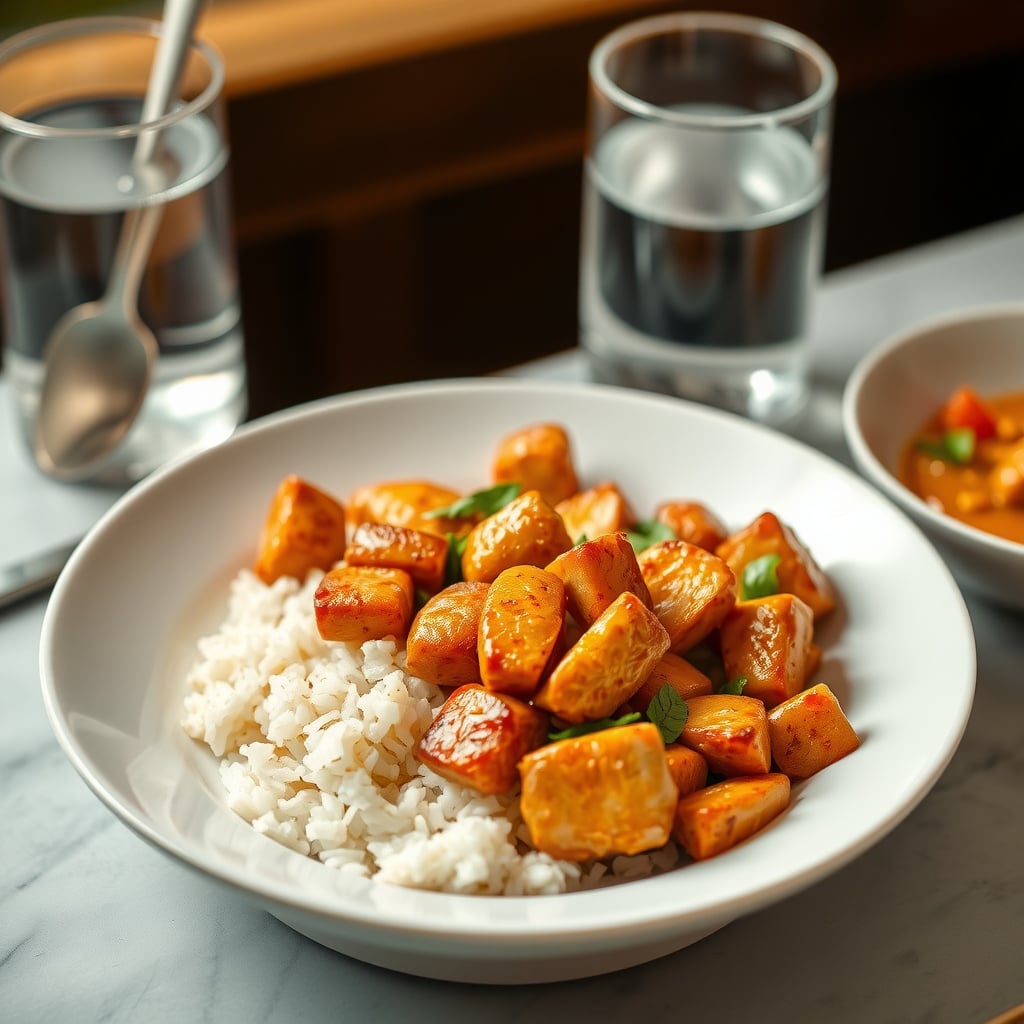
Deconstructed Thai Peanut Chicken Bowls
40min
4
View Full Recipe →
Ready to simplify your meal planning?
Let OttoChef AI create personalized meal plans for your family — free to use, no credit card.