
Hopi Juniper Ash: How Indigenous Science Unlocks Blue Corn's Nutrition
Learn how Hopi culinary juniper ash unlocks bioavailable niacin, improves protein quality, and turns blue corn vibrant through alkaline nixtamalization.
Alex Thompson
Food Editor
October 17, 2026
5 min read
When cooking with heirloom blue cornmeal or whole corn kernels, many home cooks encounter an unexpected disappointment: instead of the vibrant violet and rich azure hues seen in traditional Southwestern dishes, their dough turns a muted, muddy grey. Worse still, corn consumed in its raw, unprocessed state leaves crucial nutrients locked away where the human digestive system cannot access them.
Indigenous peoples of the Americas solved both problems thousands of years ago through an advanced biochemical process called nixtamalization. While Mesoamerican cultures typically used slaked lime (calcium hydroxide) derived from limestone, the Hopi and other Puebloan nations of the North American Southwest developed a distinct culinary science: using the ash of burned juniper branches. This practice transforms blue corn from a simple grain into a nutrient-dense, visually stunning staple.
The Biochemistry of Bound Niacin
Field corn and heirloom maize are naturally rich in vitamin B3 (niacin), which plays a vital role in cellular metabolism, nerve function, and skin health. However, in raw corn, over 80 percent of this niacin is chemically bound to complex carbohydrates and proteins, forming molecules called niacytin and niacinogen.
In its bound state, niacin passes through the human digestive tract almost completely unabsorbed. A diet heavily reliant on unprocessed corn can lead to severe niacin deficiency, historically known as pellagra.
Pellagra & Historical Food Science
When European colonizers introduced corn to Europe and Africa without adopting the Indigenous practice of alkaline processing, devastating epidemics of pellagra followed. Native American communities never suffered from pellagra because their traditional preparation techniques rendered the nutrient fully bioavailable.
When blue corn is cooked in water infused with Hopi juniper ash, the solution becomes alkaline. This high pH environment breaks the chemical bonds holding niacytin together, liberating free, bioavailable niacin. Furthermore, the alkaline treatment improves the balance of essential amino acids—specifically lysine and tryptophan—making the corn's protein significantly more complete and digestible.
The Color Chemistry of Anthocyanins
Beyond nutrition, juniper ash works visual wonder on blue corn. The deep pigmentation in blue corn comes from anthocyanins, the same water-soluble antioxidant compounds found in blueberries and blackberries.
Anthocyanins as pH Indicators
Anthocyanin pigments act as natural pH indicators. In neutral or slightly acidic water, they appear dull grey or faded blue. When exposed to an alkaline agent like juniper ash, the molecular structure shifts, revealing brilliant violet, deep purple, and vivid teal colors.
“Nixtamalization is not merely an ancient cooking method; it is one of the most sophisticated achievements in historical biochemical food science.”
Dr. Lois Ellen Frank, Culinary AnthropologistWithout an alkaline additive, blue cornmeal recipes yield drab, brownish-grey results. Adding culinary ash raises the pH, stabilizing the pigments and yielding the brilliant, iconic colors of traditional Hopi piki bread and blue corn somiviki.
Step-by-Step: How Alkaline Ash Processing Works
Traditional culinary ash preparation requires careful wood selection and precise temperature control. Here is how the transformation occurs from branch to bowl:
Sourcing the Juniper
Clean, dry twigs and needles from specific juniper species—primarily Rocky Mountain juniper (*Juniperus scopulorum*) or Utah juniper (*Juniperus osteosperma*)—are collected.
Controlled Burning
The branches are burned completely in a dedicated container until reduced to a fine, soft ash. This ash contains concentrated mineral salts, including calcium carbonate, potassium carbonate, and magnesium.
Infusing the Liquid
The ash is whisked into boiling water and strained. The resulting liquid has a slippery, alkaline texture and a subtle, pleasant pine-smokiness.
Cooking and Steeping
Blue cornmeal or whole kernels are cooked in the ash water. The alkalinity softens the kernel walls, frees bound niacin, increases calcium uptake, and instantly brightens the corn's natural pigments.
Sourcing and Applying Culinary Ash in the Modern Kitchen
For contemporary cooks looking to explore traditional grain processing, working with alkaline ingredients offers a fascination look into structural food chemistry.
Safety with Wood Ash
Never use ash from chemically treated wood, barbecue charcoal briquettes, softwoods high in sap like pine, or unknown fire pits. True culinary ash must come from clean, untreated hardwood or juniper burned specifically for culinary use.
If authentic Hopi juniper ash is unavailable, food-grade culinary lime (calcium hydroxide) or food-grade lye can achieve similar alkaline chemistry for nixtamalization, though they lack the unique mineral profile and subtle smoky flavor that juniper ash imparts. Some modern bakers also experiment with baked baking soda (sodium carbonate) to shift the pH when baking blue corn cakes or quick breads.
To experiment with blue cornmeal at home using culinary ash, start by whisking 1 to 2 teaspoons of culinary juniper ash into boiling water before adding your cornmeal. Observe the immediate color change as the liquid shifts from muddy purple to striking turquoise or vibrant violet.
By honoring and understanding Indigenous techniques like juniper ash processing, modern cooks gain more than just bright colors on a plate—they reconnect with thousands of years of sophisticated nutritional science that turns humble grains into vital nourishment.
Try This Recipe
Now that you've learned about how hopi juniper ash unlocks bioavailable niacin and vibrancy in blue corn, put your knowledge into practice with this recipe:
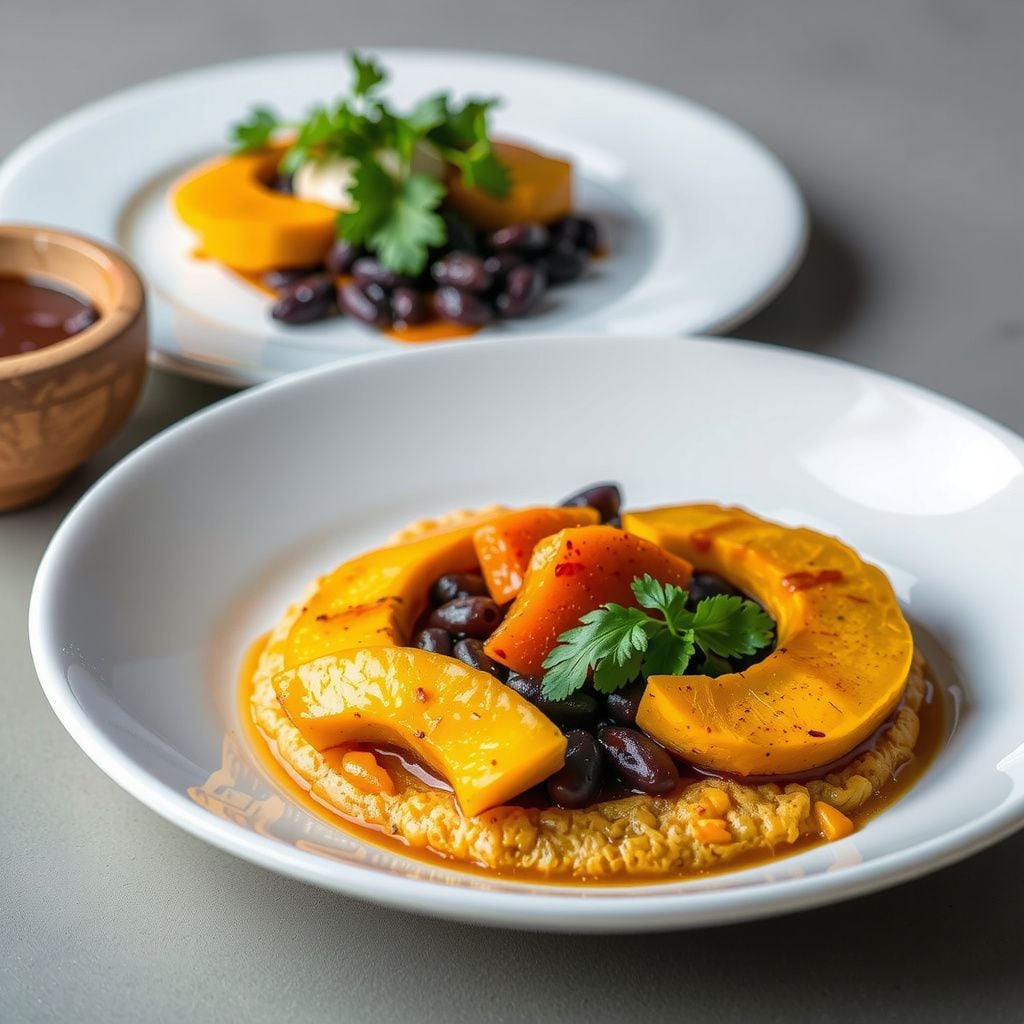
Hopi Blue Corn Sopes with Roasted Squash and Black Beans
45min
4
View Full Recipe →
Ready to simplify your meal planning?
Let OttoChef AI create personalized meal plans for your family — free to use, no credit card.