
Holiday Cooking Traditions Worth Starting With Your Family
Discover meaningful holiday cooking traditions that bring families together. From cookie decorating to heritage recipes, create lasting memories in the kitchen.
Alex Thompson
Food Editor
April 29, 2026
7 min read
4 views
Every December, my neighbor Maria hosts what she calls "Tamale Day" – a marathon cooking session where three generations gather to prepare dozens of tamales from scratch. The kids fold masa, teenagers gossip while shredding pork, and grandparents supervise the assembly line with decades of expertise. It's chaotic, flour-dusted, and absolutely beloved by everyone involved.
The beauty of holiday cooking traditions isn't just the food itself – it's the ritual, the shared effort, and the skills passed down through participation. Unlike following a recipe alone, these traditions create anchors in family memory and teach cooking through immersion rather than instruction.
Why Cooking Traditions Matter More Than Perfect Meals
When you establish a holiday cooking tradition, you're not just making food. You're creating a framework for connection that happens to involve delicious results. The process becomes as important as the outcome, which takes pressure off perfection and puts emphasis on participation.
Children who help with holiday cooking develop knife skills, measurement understanding, and patience – all while thinking they're just having fun with family. Adults get to pass down techniques naturally, without the formality of a cooking lesson. And everyone walks away with both full stomachs and full memory banks.
Start Small, Build Gradually
Don't try to establish five new traditions at once. Pick one meaningful activity this year, make it enjoyable, and let it naturally become "what we do." Next year, you can add another if the first one stuck.
The Cookie Decorating Assembly Line
One of the most adaptable traditions involves baking and decorating cookies as a group activity. The key is setting up stations that accommodate different skill levels and attention spans.
Younger children can handle sprinkles and simple flooding techniques with royal icing. Older kids and adults can tackle intricate piping work or detailed designs. Everyone works at their own pace, but the communal table keeps conversation flowing.
The educational value runs deeper than it appears. Cookie decorating teaches color theory, fine motor control, and the science of icing consistency. Kids learn that adding water thins royal icing for flooding, while keeping it thick creates defined borders. They experiment with pressure control on piping bags and discover how different tips create different effects.
The History of Decorated Holiday Cookies
The tradition of elaborately decorated cookies emerged in medieval Europe, where spices and sugar were luxury items reserved for special occasions. German lebkuchen and British gingerbread were among the first decorated holiday treats, often featuring intricate designs that showcased a baker's skill and the family's prosperity.
Heritage Recipe Marathons
Some of the most meaningful traditions involve tackling labor-intensive heritage recipes as a team effort. Whether it's Polish pierogi, Italian seven-fish feast preparations, Jewish latkes, or Swedish meatballs, these marathon cooking sessions preserve cultural knowledge while creating bonds.
The secret to making these traditions sustainable rather than exhausting is proper planning and task distribution. Map out the recipe steps beforehand and assign tasks based on skill level and interest. Someone who loves precision can measure ingredients. A detail-oriented person can handle delicate assembly. Those who enjoy social aspects can manage the less technical tasks while keeping conversation going.
"The recipes that take the longest to make often create the strongest memories – not despite the effort, but because of it."
Traditional cooking wisdomPrep Station Setup
Designate a clean workspace for each major task. If making dumplings, create separate stations for filling preparation, dough rolling, and assembly. This prevents bottlenecks and lets people work simultaneously.
Skill-Based Task Assignment
Match tasks to abilities without being obvious about it. Let children handle jobs where imperfection adds character (rustic hand pies). Reserve precision tasks (measuring spices) for those who enjoy exactitude.
Build in Teaching Moments
When showing a technique, demonstrate once, then let others practice while you observe. Resist the urge to take over when someone struggles – that struggle is where learning happens.
Document the Process
Designate someone to take photos or videos of key steps. These become invaluable references for next year and beautiful documentation of family time together.
The Bread-Baking Ritual
Bread-making offers unique educational opportunities because it requires patience, teaches cause and effect, and provides tangible feedback. Starting a tradition of baking holiday bread together – whether challah, panettone, stollen, or simple dinner rolls – creates space for conversation during the waiting periods.
The science lessons embedded in bread-making are remarkable. Kids learn that yeast is alive and needs warmth and food to activate. They discover that kneading develops gluten structure, and they can feel the dough transform from shaggy to smooth and elastic. They experience how time and temperature affect fermentation.
These aren't abstract concepts when you're watching dough rise or punching it down. The cause-and-effect relationship becomes visceral and memorable.
Temperature Matters More Than You Think
Bread-making traditions fail most often because of temperature issues. Yeast dies above 130°F and goes dormant below 60°F. Keep ingredients at room temperature, and proof dough in a warm (75-80°F) spot for consistent results.
The Spice Blending Session
A less common but deeply educational tradition involves blending holiday spice mixes together. Whether creating garam masala for winter curries, mixing mulling spices for cider, or blending your own pumpkin pie spice, this activity teaches flavor building and spice identification.
Set up a spice station with whole spices, a grinder or mortar and pestle, and small jars for storing finished blends. Let family members smell each spice individually before combining them, discussing how each one contributes to the final flavor profile.
This tradition works particularly well because it's low-pressure, accommodates various ages, and creates gifts people can take home. It also demystifies spices for children who might otherwise see them as mysterious powders in jars.
Create a Spice Journal
Have kids draw or write about each spice they try – what it smells like, where it comes from, what foods it pairs with. This creates a personalized reference guide and makes the learning stick.
The Preservation Day
Making preserves, pickles, or infused oils together teaches food science, planning, and delayed gratification. Unlike cookies that disappear immediately, preserves sit on shelves as tangible reminders of time spent together.
The educational component here is substantial. Kids learn about pH levels and why acid prevents spoilage. They understand how sugar preserves fruit and how fermentation transforms vegetables. They practice following safety protocols and precision measurement.
Start with simple projects like refrigerator pickles or infused vinegars before graduating to water bath canning. The progression itself becomes part of the tradition – each year tackling something slightly more advanced.
The Psychology of Making Food for Later
Research shows that cooking for future use creates stronger family bonds than cooking for immediate consumption. The anticipation, the planning required, and the later enjoyment all reinforce the value of working together toward a shared goal.
Making Traditions Stick
The traditions that endure share common characteristics: they're flexible enough to accommodate changing family dynamics, they create both process and product satisfaction, and they don't require perfection.
Document your traditions loosely. Write down the basic approach, but leave room for evolution. The tamale recipe might stay the same, but the music playing in the background, the jokes that become running gags, and the roles people take on will shift naturally over time.
Most importantly, focus on what brings your specific family joy. A tradition borrowed from someone else's family might not resonate with yours, and that's perfectly fine. The goal isn't to create magazine-worthy moments but to build rituals that your family genuinely looks forward to repeating.
The Two-Year Rule
A tradition isn't really a tradition until you've done it twice. Don't stress if the first year feels awkward or doesn't go perfectly. The second year is when people start saying "remember when we did this last year?" and the tradition begins to take root.
When you're choosing what tradition to start, consider what skills you want to pass down, what pace suits your family's energy level, and what foods actually excite everyone involved. The best tradition is the one you'll actually want to repeat – not because you should, but because everyone asks "when are we doing that again?"
The flour-covered counters, the debates about technique, the laughter when something doesn't turn out quite right – these moments matter more than pristine outcomes. Start small, stay flexible, and let your family's unique personality shape whatever tradition you choose to begin.
Try This Recipe
Now that you've learned about holiday cooking traditions worth starting, put your knowledge into practice with this recipe:
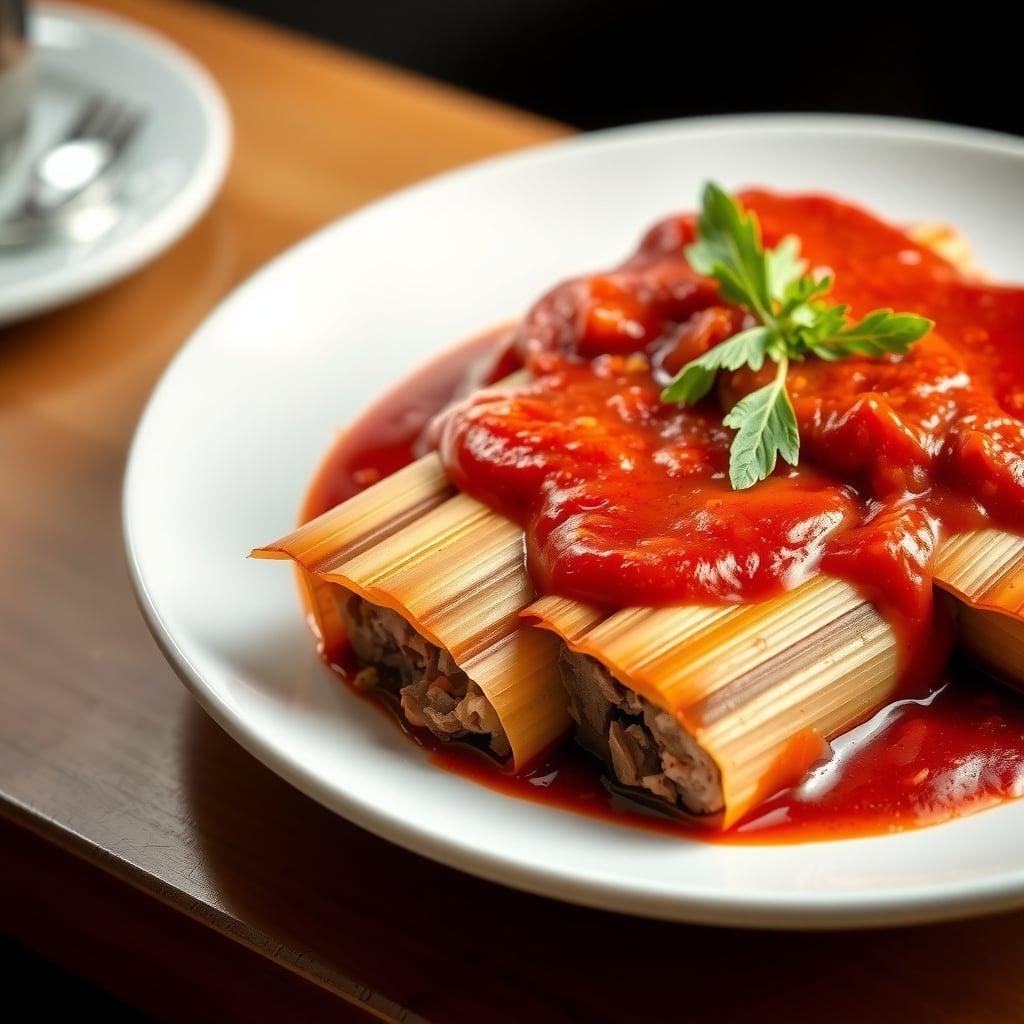
Three-Generation Pork Tamales with Red Chile Sauce
180min
4
View Full Recipe →
Ready to simplify your meal planning?
Let OttoChef AI create personalized meal plans for your family in seconds.