
Heart-Healthy Cooking: Techniques That Boost Flavor Without the Fat
Master cooking techniques that protect your heart without sacrificing taste. Learn how to build flavor, reduce sodium, and choose ingredients that support cardiovascular health.
Alex Thompson
Food Editor
April 8, 2026
7 min read
12 views
Your kitchen holds more power over your heart health than you might realize. Every cooking decision—from the oil you drizzle to the heat you apply—either supports or undermines your cardiovascular system. The good news? Heart-healthy cooking doesn't mean bland, boring food. It means understanding how to coax maximum flavor from ingredients while minimizing the elements that strain your heart.
Let's explore the techniques and ingredients that let you eat deliciously while protecting one of your body's most vital organs.
Building Flavor Without Relying on Fat
Traditional cooking often leans heavily on butter, cream, and oil to create richness and depth. But fat is just one avenue to flavor—and often not even the most interesting one.
Dry toasting spices and nuts transforms their flavor profiles entirely. Heat a dry skillet over medium heat and add whole spices like cumin seeds, coriander, or fennel. Shake the pan frequently for 2-3 minutes until fragrant. This releases essential oils and creates complex, aromatic flavors without adding a single calorie. The same principle works for nuts and seeds, which develop a deeper, almost buttery taste when toasted.
The Bloom Technique
After toasting whole spices, you can "bloom" them in just 1-2 teaspoons of oil rather than the tablespoons traditional recipes call for. The small amount of fat helps distribute fat-soluble flavor compounds throughout your dish while keeping total fat content low.
Caramelization is your secret weapon for building sweetness and complexity. When you properly caramelize onions, carrots, or tomatoes, their natural sugars concentrate and brown, creating savory-sweet depth. Use a wide pan, medium-low heat, and patience. A tablespoon of water added periodically prevents sticking without the need for excessive oil.
Acid brightens everything. A squeeze of lemon, splash of vinegar, or handful of fresh tomatoes wakes up a dish in ways that fat simply cannot. Acid cuts through richness, heightens other flavors, and makes your taste buds more receptive to subtle notes. Keep multiple acids on hand: red wine vinegar for robust dishes, rice vinegar for delicate ones, lemon for freshness, and lime for brightness.
The Science of Umami
Umami—the savory fifth taste—activates the same satisfaction centers in your brain as fat does. Ingredients rich in glutamates (tomatoes, mushrooms, aged cheeses, miso, anchovies) create that deeply satisfying quality we associate with indulgent foods, but without the saturated fat load.
Cooking Methods That Preserve Heart Health
How you apply heat matters as much as what you cook.
Roasting vegetables at high heat (400-450°F) caramelizes their exteriors while keeping interiors tender. Toss vegetables with just enough oil to barely coat them—usually 1-2 tablespoons for a full sheet pan. The dry heat of the oven does the flavor-building work.
Steaming gets dismissed as boring, but it's actually one of the most nutrient-preserving methods available. Water-soluble vitamins like C and B-complex leach into cooking water during boiling, but steaming keeps vegetables above the water line, preserving these heart-protective nutrients. Elevate steamed vegetables by finishing them with a drizzle of high-quality olive oil, fresh herbs, and flaky salt.
Set Up Your Steamer
Fill a pot with 1-2 inches of water and bring to a simmer. Place a steamer basket above the water line.
Prepare Vegetables
Cut vegetables into uniform sizes for even cooking. Denser vegetables like carrots need smaller pieces than quick-cooking ones like broccoli.
Steam and Season
Cover and steam until tender-crisp. Immediately transfer to a bowl and toss with aromatics, acid, and minimal fat for maximum flavor.
Poaching and braising in flavorful liquids infuses food with taste while requiring minimal added fat. Poach fish in a court bouillon made from vegetable scraps, herbs, and wine. Braise chicken thighs in tomato sauce enriched with vegetables and spices. The cooking liquid becomes a sauce, eliminating the need for butter-based finishes.
"When you build layers of flavor through technique rather than fat, you create food that satisfies on multiple levels—not just through richness, but through complexity, brightness, and depth."
Chef and nutritionist Michelle DudashHeart-Protective Ingredients to Stock
Certain ingredients punch above their weight in cardiovascular benefits.
Fatty fish like salmon, mackerel, sardines, and trout deliver omega-3 fatty acids that reduce inflammation and lower triglyceride levels. Aim for two servings weekly. These fish are flavorful enough to need minimal embellishment—a simple preparation of roasted salmon with herbs showcases the fish while protecting your heart.
Extra virgin olive oil stands apart from other fats. Its monounsaturated fatty acids and polyphenols actively support heart health. Use it as your primary cooking fat, but remember that even healthy fats are calorie-dense. Measure rather than pour freely.
Smoke Point Matters
Extra virgin olive oil has a lower smoke point (350-410°F) than refined oils. For high-heat cooking above 400°F, use avocado oil or refined olive oil. Save your best extra virgin for finishing dishes, dressings, and medium-heat cooking where its flavor shines.
Legumes—beans, lentils, chickpeas—are fiber powerhouses that lower cholesterol and stabilize blood sugar. Their soluble fiber binds to cholesterol in your digestive tract and escorts it out of your body. They're also incredibly versatile: purée white beans into a creamy pasta sauce, simmer lentils into a hearty stew, or roast chickpeas for a crunchy snack.
Whole grains like oats, quinoa, farro, and brown rice provide fiber, B vitamins, and minerals that support cardiovascular function. They also have more inherent flavor than refined grains. Toast grains in a dry pan before cooking to intensify their nutty taste.
Nuts and seeds offer healthy fats, fiber, and protein in compact packages. A small handful (about 1 ounce) provides satisfying richness without overdoing calories. Walnuts are particularly high in omega-3s, while almonds excel in vitamin E. Use them as toppings for texture and nutrition.
Reducing Sodium Without Losing Flavor
Excess sodium raises blood pressure, forcing your heart to work harder. The average American consumes 3,400mg daily—nearly 50% more than the recommended 2,300mg limit.
Most dietary sodium comes from processed foods, but home cooks often oversalt out of habit. Here's how to break that cycle:
Layer flavors instead of defaulting to salt. Start with aromatics (onions, garlic, ginger), add spices (cumin, paprika, turmeric), incorporate acids (lemon, vinegar, tomatoes), and finish with fresh herbs. Each layer contributes complexity that makes salt less necessary.
Use salt strategically. Salt vegetables after cooking rather than during—you'll need less because it hits your palate directly. When you must salt cooking water (like for pasta), measure it. Most recipes call for far more than necessary.
Umami Bombs Replace Salt
Keep low-sodium umami boosters on hand: tomato paste, dried mushrooms, miso paste, nutritional yeast, and aged parmesan (a little goes a long way). These ingredients provide savory depth that makes you forget about salt.
Make your own stocks and broths. Commercial versions often contain 700-1000mg of sodium per cup. Homemade versions let you control sodium completely while providing richer, more complex flavor. Roast bones and vegetables first for deeper taste.
Rinse canned beans and vegetables to remove up to 40% of their sodium content. Better yet, cook dried beans from scratch—they taste better and cost less.
Putting It All Together
Heart-healthy cooking isn't about deprivation—it's about making smarter choices that happen to taste better. When you build flavor through technique, choose ingredients that actively support your cardiovascular system, and use fat and salt judiciously rather than automatically, you create food that nourishes both body and palate.
Start small. Choose one technique from this article and practice it this week. Toast your spices before adding them to a dish. Roast vegetables at high heat with minimal oil. Finish a meal with lemon juice instead of extra butter. Each small choice compounds over time, building habits that protect your heart while expanding your culinary skills.
Your heart—and your taste buds—will thank you.
Try This Recipe
Now that you've learned about heart-healthy cooking techniques and ingredients, put your knowledge into practice with this recipe:
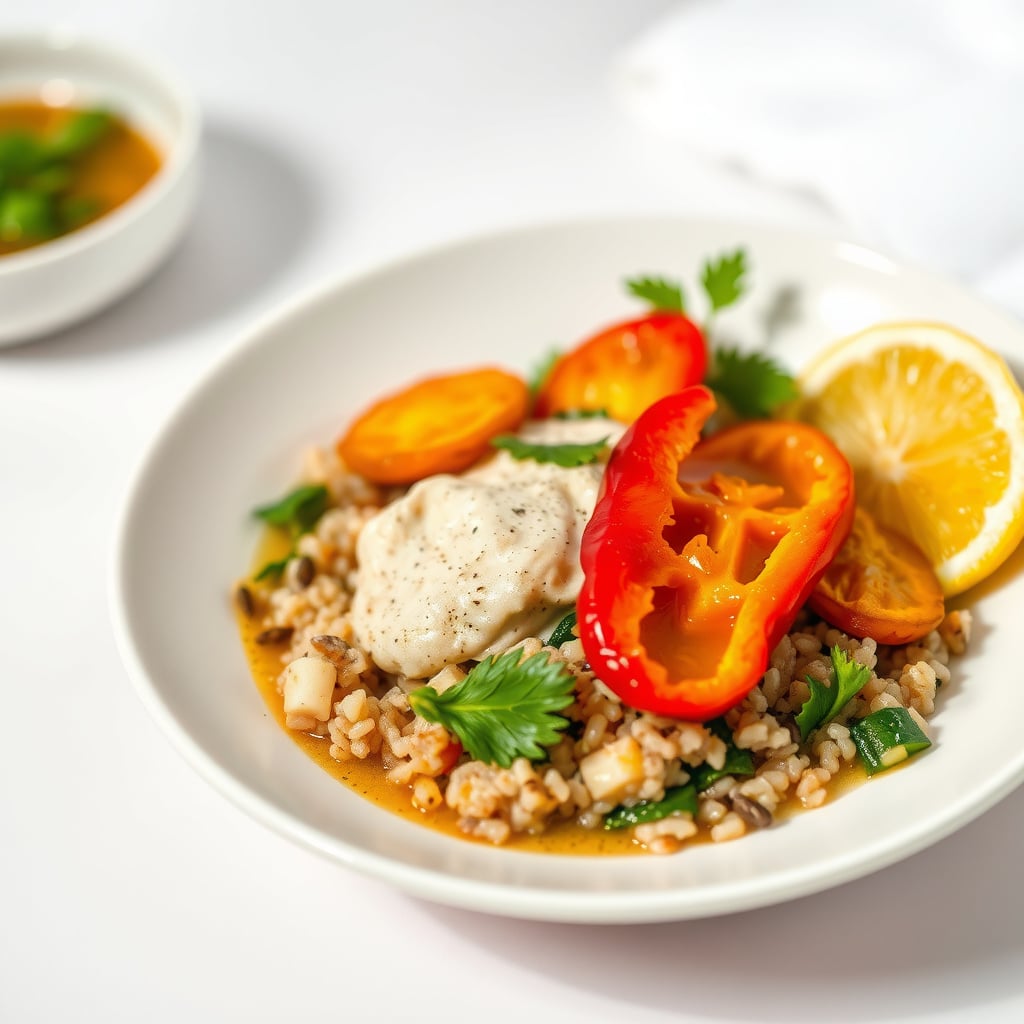
Mediterranean Quinoa Bowl with Lemon-Herb Tahini and Caramelized Vegetables
55min
4
View Full Recipe →
Ready to simplify your meal planning?
Let OttoChef AI create personalized meal plans for your family in seconds.