
Heart-Healthy Cooking: Techniques That Add Flavor Without the Fat
Master cooking techniques that protect your heart while delivering incredible flavor. Learn how to build depth, reduce sodium, and choose ingredients that nourish.
Alex Thompson
Food Editor
March 24, 2026
8 min read
7 views
Your cardiologist says to watch your diet, but you refuse to eat bland, boring food. Good news: heart-healthy cooking doesn't mean sacrificing flavor. In fact, the techniques that protect cardiovascular health often produce the most vibrant, satisfying meals.
The challenge isn't eliminating fat and salt—it's understanding how to build complex flavor through different pathways. When you master techniques like dry-roasting spices, creating umami-rich broths, and leveraging acid strategically, you won't miss the butter and salt that once dominated your cooking.
Understanding Heart-Healthy Foundations
Heart-healthy cooking centers on three principles: managing saturated fats, controlling sodium, and incorporating ingredients that actively support cardiovascular function. But these aren't restrictions—they're opportunities to explore new flavor dimensions.
Saturated fats aren't inherently evil, but excessive consumption raises LDL cholesterol in many people. The key is choosing your fats wisely. Olive oil, avocado oil, and nut oils contain monounsaturated fats that can actually improve your cholesterol profile when they replace saturated fats. More importantly, these oils carry flavor compounds that butter simply can't match.
The Omega-3 Advantage
Fatty fish like salmon, mackerel, and sardines contain omega-3 fatty acids (EPA and DHA) that reduce inflammation and lower triglycerides. Aim for two servings weekly. Plant sources like walnuts, flaxseed, and chia seeds provide ALA, another beneficial omega-3.
Sodium management requires retraining your palate, not eliminating salt entirely. Most people consume 3,400mg daily; the American Heart Association recommends no more than 2,300mg, ideally moving toward 1,500mg. The problem isn't the salt shaker—it's processed foods. When you cook from scratch, you control sodium levels completely.
Technique 1: Dry-Roasting for Depth
Dry-roasting transforms spices, nuts, and seeds into flavor powerhouses that compensate for reduced salt and fat. Heat a dry skillet over medium heat and toast whole spices—cumin, coriander, fennel seeds, peppercorns—until fragrant, usually 2-3 minutes. The heat volatilizes essential oils, intensifying flavor exponentially.
This technique works equally well for nuts and seeds. Toast almonds, walnuts, or sesame seeds until they smell nutty and turn slightly golden. The Maillard reaction creates hundreds of new flavor compounds, adding complexity that makes dishes satisfying with less added fat.
Grind toasted spices fresh for maximum impact. A $20 spice grinder transforms your cooking more than any expensive gadget. Fresh-ground toasted cumin has ten times the flavor of pre-ground cumin from a jar that's been sitting in your cabinet for months.
Building a Spice Blend
Create a heart-healthy all-purpose blend: toast 2 tbsp cumin seeds, 1 tbsp coriander seeds, 1 tsp black peppercorns, 1 tsp fennel seeds. Grind with 1 tsp smoked paprika and ½ tsp turmeric. This blend adds instant depth to vegetables, grains, and proteins.
Technique 2: Caramelization and the Maillard Reaction
Browning creates flavor through chemistry, not fat. When you caramelize onions properly—slowly, over medium-low heat for 30-40 minutes—their natural sugars break down into hundreds of sweet, savory compounds. Yes, it takes patience, but you need minimal oil (just 1-2 teaspoons for two large onions) because the onions release their own moisture.
The same principle applies to roasting vegetables. Toss Brussels sprouts, cauliflower, or root vegetables with just enough oil to coat (about 1 tablespoon per pound), spread them in a single layer on a hot sheet pan (425°F), and let the oven work. The dry heat evaporates surface moisture, allowing browning to occur. Those crispy, caramelized edges deliver intense flavor that makes butter unnecessary.
"The most powerful flavors come from transformation, not addition. Heat, time, and technique create complexity that no amount of salt or fat can match."
Chef's principleDon't Crowd the Pan
Whether sautéing or roasting, overcrowding traps steam and prevents browning. Vegetables steam instead of caramelize, resulting in bland, soggy results. Use a larger pan or work in batches.
Technique 3: Building Umami Foundations
Umami—the savory, mouth-filling fifth taste—is your secret weapon for satisfying meals without excessive salt or fat. Ingredients naturally high in glutamates create deep, savory flavor that makes dishes feel complete.
Mushrooms are umami champions. Dried porcini or shiitake mushrooms, rehydrated and chopped, add profound depth to soups, stews, and grain dishes. Save the soaking liquid—it's liquid umami. Fresh mushrooms benefit from dry-sautéing: cook them in a dry pan until they release and then reabsorb their moisture before adding minimal oil. This concentrates their flavor dramatically.
Tomato paste is another umami powerhouse. Toast it in your pan for 2-3 minutes before adding liquids. This caramelizes the sugars and deepens the savory notes. A tablespoon of tomato paste can transform a simple vegetable soup into something that tastes like it simmered for hours.
Miso paste, made from fermented soybeans, delivers intense umami with beneficial probiotics. A tablespoon stirred into broths, dressings, or marinades adds complexity while contributing less sodium than you'd get from salt alone (though it does contain sodium, so use it mindfully).
Nutritional Yeast: The Umami Secret
This deactivated yeast has a cheesy, nutty flavor and provides B-vitamins. Sprinkle it on popcorn, pasta, or roasted vegetables for savory depth without dairy or excessive sodium. Two tablespoons contain only 20mg sodium but deliver significant flavor impact.
Technique 4: Strategic Acid Application
Acid brightens flavors and reduces the need for salt. A squeeze of lemon juice, splash of vinegar, or handful of fresh herbs at the end of cooking makes dishes pop. The key is timing—add acid near the end to preserve its bright, fresh character.
Different acids serve different purposes. Lemon juice adds brightness and works beautifully with fish and vegetables. Balsamic vinegar contributes sweetness and depth to roasted vegetables and bean dishes. Rice vinegar brings delicate acidity to Asian-inspired preparations. Red wine vinegar adds robustness to hearty stews and braised dishes.
Don't underestimate the power of acidic ingredients beyond vinegar and citrus. Pomegranate molasses, tamarind paste, and sumac all contribute tangy complexity that makes food interesting without salt or fat.
Heart-Healthy Ingredient Swaps
Certain strategic substitutions maintain texture and satisfaction while improving nutritional profiles. Greek yogurt replaces sour cream and mayonnaise in most applications, providing protein and probiotics with significantly less saturated fat. Use it in dressings, as a topping, or to add creaminess to sauces.
Whole grains like farro, bulgur, quinoa, and brown rice provide fiber that helps lower cholesterol while adding nutty flavor and satisfying chew. Toast them dry in your pot before adding liquid—this extra step adds another flavor layer.
The Nut and Seed Strategy
Ground nuts and seeds create creamy textures without dairy. Blend soaked cashews for cream sauces, use tahini for dressings, or grind walnuts into pesto. These provide healthy fats, protein, and minerals while creating rich, satisfying dishes.
Beans and lentils deserve special attention. These fiber and protein powerhouses support heart health while providing satisfying substance to meals. Their starchy cooking liquid can thicken soups and stews naturally, eliminating the need for cream or butter-based roux.
Cooking Methods That Preserve Nutrients
Steaming, poaching, and braising cook food gently while preserving water-soluble vitamins. Steaming vegetables until just tender-crisp maintains their nutritional value and natural flavor—no butter needed when you finish them with a squeeze of lemon and toasted almonds.
Poaching fish in broth, wine, or even water with aromatics produces incredibly moist results without added fat. The gentle heat prevents proteins from toughening, creating silky texture. Save the poaching liquid for soup base—it's infused with flavor.
Braising tough cuts in vegetable-rich broths creates tender, flavorful meals where the cooking liquid becomes the sauce. This technique works beautifully for plant-based meals too—braised white beans with tomatoes, garlic, and herbs become creamy and luscious without any dairy.
Infused Oils for Maximum Impact
Gently heat olive oil with garlic, herbs, or chili flakes to create flavored oils. A little goes a long way—drizzle 1 teaspoon of rosemary-garlic oil over a dish for dramatic flavor impact. Store refrigerated and use within a week.
The Fresh Herb Finish
Fresh herbs are non-negotiable in heart-healthy cooking. They provide explosive flavor without sodium, fat, or calories. Cilantro, parsley, basil, mint, and dill should be added by the handful, not by the teaspoon.
Treat tender herbs as a vegetable, not a garnish. A full cup of chopped cilantro transforms a simple lentil soup. A half-cup of basil makes tomato sauce vibrant. This isn't excessive—it's essential when you're reducing other flavor enhancers.
Hardy herbs like rosemary, thyme, and oregano withstand longer cooking and infuse dishes with aromatic oils. Add them early in cooking, but also consider a fresh herb finish—the combination of cooked and fresh herbs creates layers of flavor.
Putting It Together
Heart-healthy cooking isn't about deprivation—it's about technique. When you dry-roast spices, caramelize vegetables properly, build umami foundations, and finish with bright acid and fresh herbs, you create deeply satisfying food that happens to support cardiovascular health.
Start with one technique. Toast your spices this week. Next week, focus on properly caramelizing onions. Gradually, these approaches become second nature, and you'll find yourself reaching for the spice grinder more often than the salt shaker.
Your heart—and your taste buds—will thank you.
Try This Recipe
Now that you've learned about heart-healthy cooking techniques and ingredients, put your knowledge into practice with this recipe:
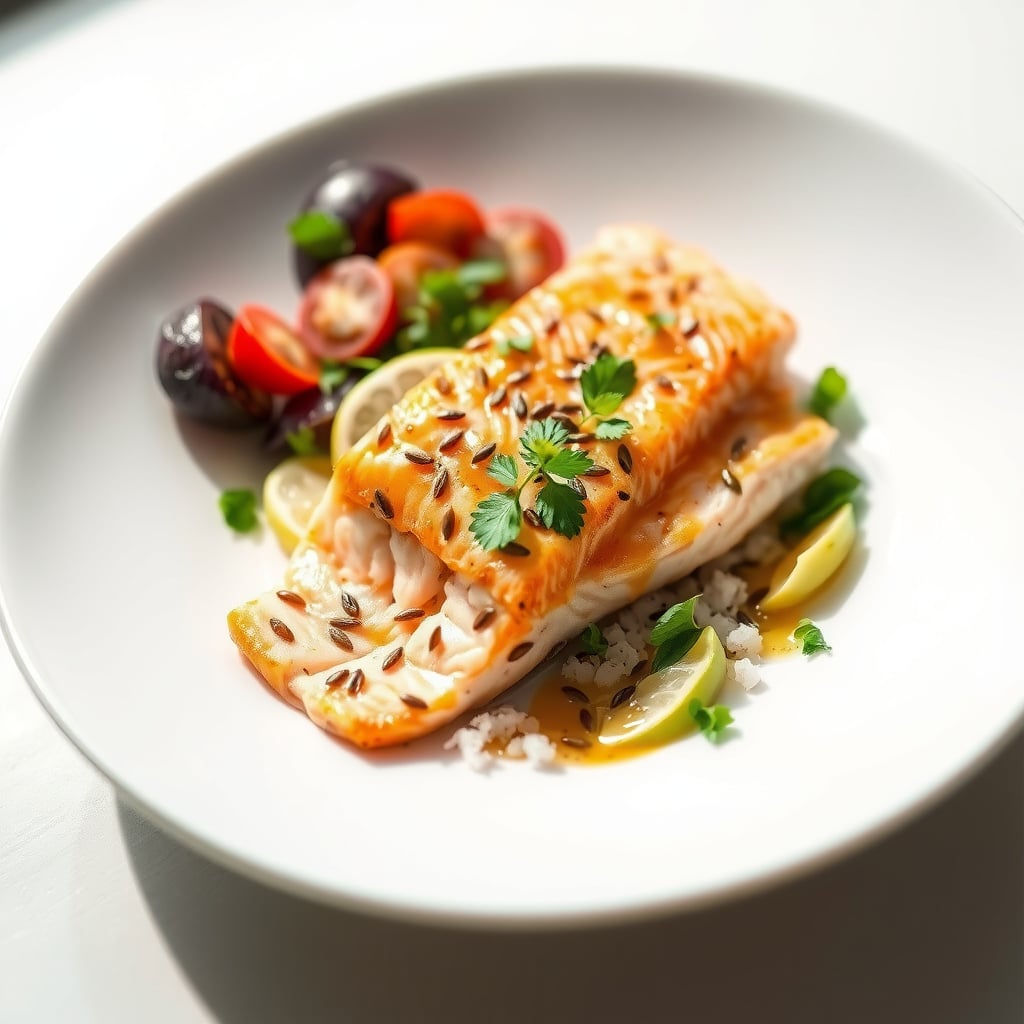
Mediterranean Salmon Bowl with Toasted Cumin-Coriander Vinaigrette
40min
4
View Full Recipe →
Ready to simplify your meal planning?
Let OttoChef AI create personalized meal plans for your family in seconds.