
Harnessing Amylase: The Science of Sweeter Sweet Potatoes
Discover the science of beta-amylase and learn how a low-and-slow roasting technique unlocks the ultimate natural sweetness in sweet potatoes.
Sofia Rossi
Kitchen Editor
September 13, 2026
5 min read
11 views
Have you ever pulled a roasted sweet potato from the oven, only to find it disappointing, starchy, and structurally dry? Or perhaps you have microwaved one in a hurry, resulting in a bland potato that required a heavy hand of brown sugar or maple syrup to taste like a treat. The difference between a mediocre sweet potato and one that is velvety, rich, and intensely sweet lies not in the sugar you add, but in how you manage the chemistry inside the tuber itself.
At the heart of this culinary transformation is a remarkable enzyme called beta-amylase. By understanding how this enzyme behaves, you can use temperature control to convert the potato's internal starches into natural sugars, elevating your cooking without adding a single gram of refined sugar.
The Chemistry of Natural Sweetness
Sweet potatoes are packed with starch, which consists of long, complex chains of glucose molecules. On their own, these large starch molecules do not register as sweet on our taste buds. To unlock their flavor, those chains must be broken down into simpler sugars, specifically maltose, which is about one-third as sweet as table sugar.
This breakdown is performed by beta-amylase, an enzyme that dormant sweet potatoes use to convert stored energy into fuel for growth. When we cook a sweet potato, we hijack this biological process. However, enzymes are highly sensitive to temperature. They require a specific thermal window to operate before the heat destroys them entirely.
Enzyme Activation
Beta-amylase is the very same enzyme that brewers rely on during the beer-mashing process. It breaks down the complex starches in barley into fermentable maltose sugars, showcasing how culinary science bridges the gap between baking and brewing.
For sweet potato amylase, the active zone is between 135°F (57°C) and 170°F (77°C). Within this temperature range, the enzyme works rapidly, clipping starch chains into delicious maltose. Once the internal temperature of the potato climbs above 170°F, the enzyme denatures—meaning its proteins unfold, and it permanently stops functioning.
The High-Heat Mistake
To maximize sweetness, you must keep the sweet potato within that 135°F to 170°F window for as long as possible. This is why high-heat cooking methods often yield subpar results.
Avoid the Microwave
Microwave ovens heat water molecules rapidly, causing the sweet potato’s internal temperature to rocket past the 170°F threshold in under two minutes. This flash-heating destroys the amylase before it has time to convert more than a fraction of the starch into sugar, leaving you with a starchy, less flavorful potato.
Similarly, roasting sweet potatoes at 425°F (218°C) from the start cooks the outer layers so quickly that the enzymatic window closes almost immediately in those areas. While the high heat caramelizes the surface, the interior fails to reach its full flavor potential.
“Understanding the chemistry of your ingredients transforms cooking from a game of chance into a deliberate act of delicious creation.”
OttoChef Editorial TeamThe Low-and-Slow Solution
To harness the power of amylase, you need a two-stage approach: a low-temperature hold to maximize sugar conversion, followed by an optional high-temperature blast to caramelize those newly formed sugars and blister the skin.
Choose the Right Variety
For the best results, select orange-fleshed varieties like Jewel, Garnet, or Beauregard. These cultivars naturally contain higher concentrations of both beta-amylase and moisture compared to dry, white-fleshed sweet potato varieties.
Here is how to execute this technique perfectly in your home kitchen:
Preheat and Prep
Preheat your oven to 300°F (150°C). Wash your sweet potatoes thoroughly and prick them a few times with a fork to allow steam to escape. Place them on a parchment-lined baking sheet to catch any sugary syrup that drips out during baking.
The Enzymatic Bake
Bake the sweet potatoes at 300°F for 60 to 90 minutes, depending on their size. This gentle heat ensures the internal temperature rises slowly, keeping the potato in the active amylase window for an extended period. The potatoes are ready for the next step when a paring knife easily glides into the thickest part with zero resistance.
The Caramelization Finish
Once the interior is completely soft and sweet, increase the oven temperature to 425°F (218°C) for an additional 10 to 15 minutes. This high heat caramelizes the maltose sugars that have seeped to the surface, creating a deeply flavorful, slightly charred skin and a rich, jammy interior.
The Foil Wrap Debate
Baking sweet potatoes uncovered allows moisture to evaporate, which concentrates the natural sugars and creates a richer flavor. Wrapping them in foil traps steam, resulting in a wetter, mushier texture. For the absolute sweetest results, always bake them uncovered.
Nutritional Benefits of Enzymatic Cooking
By utilizing the low-and-slow method, you eliminate the need to supplement your sweet potatoes with external sweeteners like brown sugar, maple syrup, or marshmallows. You are letting the ingredient speak for itself.
From a nutritional standpoint, cooking sweet potatoes slowly does slightly increase their glycemic index because complex starches are converted into simpler sugars. However, because sweet potatoes are rich in dietary fiber, vitamins A and C, and potassium, they still provide a highly nutritious, slow-burning source of energy. More importantly, satisfying your sweet tooth with the potato's own natural maltose is a far superior option to consuming refined additives.
Next time you prepare sweet potatoes, step away from the microwave and lower your oven temperature. By giving amylase the time it needs to work, you will transform a humble root vegetable into a culinary masterpiece.
Try This Recipe
Now that you've learned about harnessing amylase: the low-and-slow science of sweeter sweet potatoes, put your knowledge into practice with this recipe:
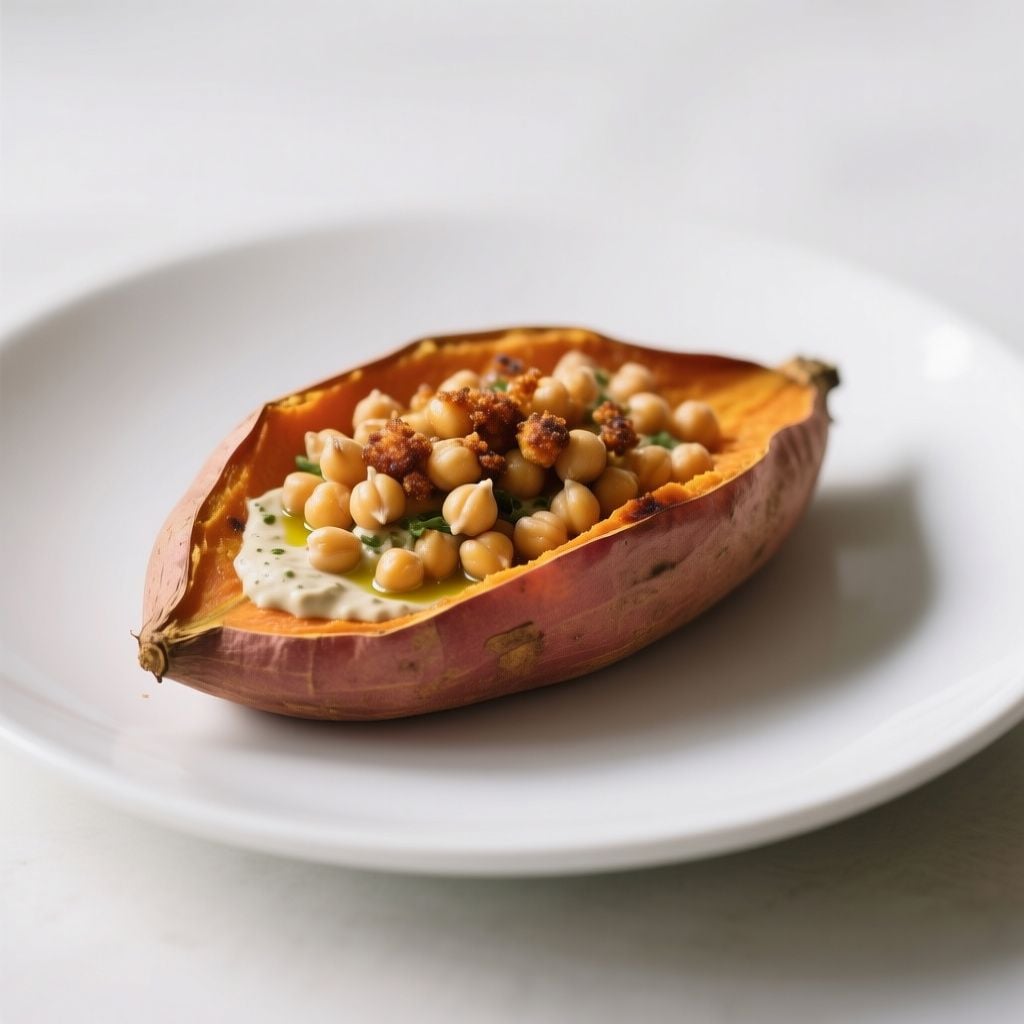
Slow-Baked Sweet Potato Lunch Boats with Crispy Chickpeas and Tahini
90min
4
View Full Recipe →
Ready to simplify your meal planning?
Let OttoChef AI create personalized meal plans for your family — free to use, no credit card.