
Greek Cooking: Master Mediterranean Simplicity at Home
Learn the philosophy and techniques behind authentic Greek cuisine. Discover how quality ingredients, simple preparations, and time-honored methods create unforgettable meals.
Daniel Park
Culinary Contributor
March 4, 2026
8 min read
6 views
Walk into any Greek kitchen, and you'll notice something immediately: fewer ingredients, less fuss, more flavor. This isn't minimalism for its own sake—it's a culinary philosophy refined over millennia. Greek cooking teaches us that great food doesn't require complexity; it requires understanding.
The foundation of Greek cuisine rests on a deceptively simple principle: start with exceptional ingredients and do as little as possible to ruin them. A ripe tomato needs only good olive oil, sea salt, and perhaps some oregano. Fresh fish requires lemon, herbs, and careful heat. This approach might sound easy, but it demands a different kind of skill—the ability to recognize quality, respect ingredients, and master restraint.
The Greek Pantry: Building Blocks of Flavor
Before diving into techniques, understand what makes Greek cooking work. The Mediterranean pantry revolves around ingredients that deliver maximum impact with minimal intervention.
Extra virgin olive oil isn't just cooking fat—it's a finishing ingredient, a sauce base, and a flavor carrier. Greeks use it generously, not sparingly. The fruity, peppery notes of quality olive oil transform simple vegetables into memorable dishes. Buy the best you can afford and use it liberally.
The Olive Oil Standard
Greeks consume more olive oil per capita than any other nation—approximately 24 liters per person annually. This isn't excess; it's tradition backed by health benefits and superior flavor.
Lemons appear in nearly every Greek dish, but not as garnish. The juice brightens, balances, and enhances without overwhelming. Greek cooks add lemon at the end of cooking to preserve its fresh acidity, or they use it in marinades to tenderize and flavor simultaneously.
Oregano, the herb most associated with Greek cooking, should be dried, not fresh. The drying process concentrates its oils and develops the characteristic earthy, slightly bitter flavor that defines Greek dishes. Rub it between your palms before adding to release maximum aroma.
Sourcing Greek Ingredients
Look for PDO (Protected Designation of Origin) products when buying Greek olive oil, feta, or olives. These certifications guarantee authenticity and traditional production methods. Kalamata olives should actually come from Kalamata; the difference is noticeable.
Cooking Techniques: Less Is More
Greek cooking methods prioritize preserving ingredient integrity while building depth through strategic simplicity.
Slow-cooked stews (stifado) demonstrate patience as technique. Meat or vegetables simmer gently with tomatoes, onions, and wine for hours. The key isn't active cooking time—it's allowing flavors to meld without interference. Once everything goes into the pot, resist the urge to stir constantly or adjust seasonings every ten minutes. Let time do the work.
Grilling over charcoal remains the preferred method for meat and vegetables. The high, dry heat creates char and caramelization while keeping interiors moist. Greeks don't marinate for days or baste constantly; they season well, cook over proper heat, and know when to pull food off the fire.
Season Generously
Salt meat liberally 30-60 minutes before grilling. This isn't a marinade—it's dry brining that seasons deeply and improves texture.
Hot and Fast
Ensure coals are white-hot before grilling. Greek grilling succeeds through high heat and quick cooking, not low-and-slow methods.
Rest Properly
Let grilled meats rest 5-10 minutes before serving. This redistributes juices and allows carry-over cooking to finish the process.
Braising with olive oil and lemon (lathera) creates vegetables so flavorful they become the main event, not a side dish. Green beans, okra, or zucchini cook slowly in olive oil with tomatoes and herbs until tender and saturated with flavor. The oil isn't drained—it becomes the sauce.
"Greek cooking isn't about following recipes to the letter. It's about understanding proportions, respecting ingredients, and trusting your palate."
Traditional Greek wisdomThe Philosophy of Simplicity
What separates Greek cooking from mere simplification is intentionality. Every element serves a purpose; nothing is there for decoration or complexity's sake.
Consider the classic horiatiki (Greek salad). No lettuce, no dressing beyond olive oil and perhaps vinegar. Just tomatoes, cucumbers, onions, peppers, olives, and feta. Each ingredient must be perfect because there's nowhere to hide. The tomatoes need to be ripe and flavorful. The cucumbers should be crisp and refreshing. The feta must be creamy and tangy, not rubbery and bland.
This philosophy extends to cooking methods. Greeks rarely use cream-based sauces or heavy reductions. Flavor comes from the ingredients themselves, enhanced by olive oil, lemon, and herbs. A piece of fish doesn't need elaborate preparation—just good olive oil, fresh lemon, and properly applied heat.
The Quality Trap
Greek cooking's simplicity exposes ingredient quality ruthlessly. Mediocre olive oil, bland tomatoes, or low-quality feta will produce mediocre results. Invest in fewer, better ingredients rather than buying everything at once.
Timing and Temperature: The Hidden Skills
Simple cooking demands precise execution. Without complex sauces or elaborate techniques to hide behind, timing and temperature become critical.
Greek cooks develop an intuitive sense for doneness. They know when fish flakes properly, when vegetables reach tender perfection, when bread has the right crust. This isn't magic—it's observation and practice.
Start by cooking vegetables until truly tender, not al dente. Greek cuisine embraces fully cooked vegetables that have released their sugars and developed deep flavor. Green beans should be soft enough to crush between your fingers. Eggplant should collapse into silky richness. This might feel wrong if you're trained in other cuisines, but trust the process.
For proteins, Greeks favor cooking just past Western preferences. Lamb gets cooked through but remains juicy. Chicken develops golden skin and fully cooked meat. Fish cooks until it flakes easily but stays moist. The generous use of olive oil helps maintain moisture even with thorough cooking.
The Olive Oil Finish
Always add a fresh drizzle of quality olive oil just before serving. This final addition provides a burst of flavor that cooked oil cannot deliver. Think of it as the Greek equivalent of finishing butter in French cuisine.
Seasonal Eating as Strategy
Greek cooking's simplicity works because it's deeply seasonal. When tomatoes are at their peak, they need minimal preparation. When artichokes arrive in spring, they become the focus of meals. This isn't just philosophy—it's practical meal planning.
Plan your cooking around what's currently excellent, not what recipes demand. Visit farmers' markets and let peak-season produce dictate your meals. This approach simplifies shopping, reduces costs, and guarantees better results than fighting seasons with imported, out-of-season ingredients.
In winter, Greeks turn to dried beans, preserved vegetables, and citrus. Summer brings tomatoes, eggplant, and zucchini. Fall offers greens and root vegetables. Each season has its natural pantry, and working with it—not against it—makes cooking easier and more rewarding.
Building Flavor Without Complexity
Greek cooks layer flavor through technique, not ingredient lists. Understanding these methods helps you apply Greek principles to any cuisine.
Blooming dried herbs in warm olive oil before adding other ingredients releases essential oils and intensifies flavor. Heat olive oil gently, add oregano or thyme, let it sizzle for 30 seconds, then proceed with your recipe.
Finishing with raw alliums adds brightness and bite. While onions and garlic cook down in the dish, a small amount of fresh onion or garlic added at the end provides contrast and complexity.
Balancing with acid transforms dishes. Greeks add lemon juice at the last moment to brighten flavors and cut richness. This isn't about making food taste lemony—it's about balance.
The Ladolemono Connection
This simple emulsion of olive oil and lemon juice (roughly 3:1 ratio) serves as Greece's universal sauce. Whisk vigorously to combine, season with salt and oregano, and use it on everything from fish to vegetables to grilled meat.
Applying Greek Principles to Your Cooking
You don't need to cook exclusively Greek food to benefit from Greek philosophy. These principles improve any cuisine:
Start with quality. Better ingredients need less manipulation. Invest in items that matter—good oil, fresh herbs, quality protein—and save money on unnecessary complexity.
Edit ruthlessly. Before adding another ingredient or technique, ask if it's necessary. Does it improve the dish or just make it more complicated?
Respect cooking times. Slow-cooked dishes need time to develop. Quick-cooked items need high heat and confidence. Don't rush what needs time or overcook what needs speed.
Season decisively. Greek food is well-seasoned, not bland. Salt properly, use herbs generously, and add acid boldly. Timid seasoning produces timid food.
Finish with fat. That final drizzle of quality olive oil adds richness and ties flavors together. Don't skip this step.
Greek cooking proves that simplicity isn't about doing less—it's about doing what matters. Master these fundamentals, and you'll cook better food regardless of cuisine. The Mediterranean has been teaching this lesson for thousands of years. Perhaps it's time we listened.
Try This Recipe
Now that you've learned about greek cooking: mediterranean simplicity, put your knowledge into practice with this recipe:
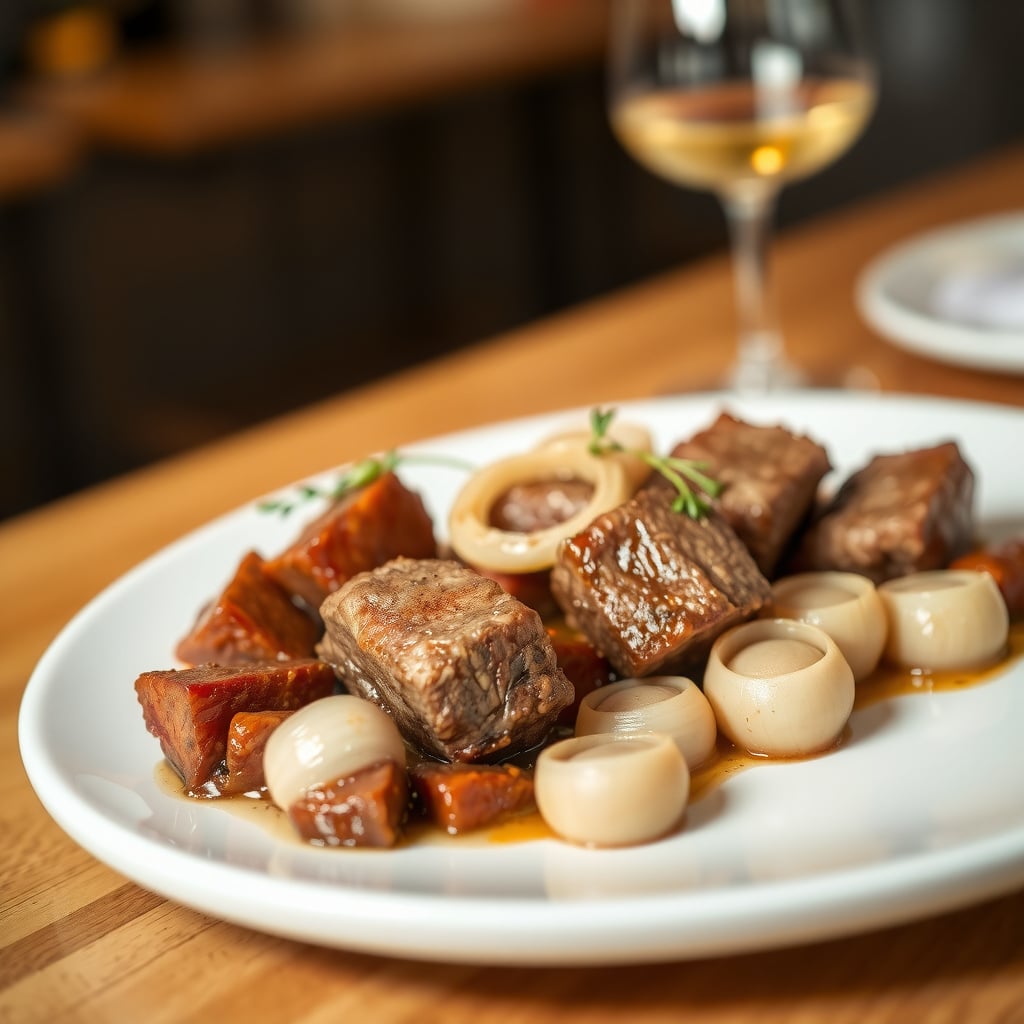
Slow-Braised Greek Lamb Stifado with Pearl Onions
175min
4
View Full Recipe →
Ready to simplify your meal planning?
Let OttoChef AI create personalized meal plans for your family in seconds.