
German Comfort Food: Beyond Schnitzel and Sausage
Discover the rich diversity of German home cooking with regional specialties, seasonal ingredients, and time-tested techniques that define true German comfort food.
Sofia Rossi
Kitchen Editor
April 13, 2026
7 min read
8 views
When most people think of German cuisine, their minds immediately jump to breaded cutlets and bratwurst. While these dishes certainly have their place, Germany's culinary landscape is far more nuanced and regional than many realize. From the hearty stews of Bavaria to the fish-forward dishes of the northern coast, German home cooking offers a wealth of comforting, soul-satisfying meals that deserve attention in your kitchen.
German cuisine is fundamentally about working with what grows locally and seasonally, transforming simple ingredients through patient cooking methods into deeply flavorful dishes. Understanding this philosophy—and the techniques behind it—will open up an entire world of comforting meals that feel both familiar and refreshingly different.
The Foundation: Building Flavor Through Patience
German cooking relies heavily on slow, gentle cooking methods that coax maximum flavor from modest ingredients. Unlike French cuisine's emphasis on sauces or Italian cooking's celebration of simplicity, German techniques focus on layering flavors through careful browning, slow braising, and the judicious use of acidity to balance richness.
The concept of schmoren—slow braising—appears throughout German regional cooking. This technique involves searing meat or vegetables to develop a fond (those beautiful browned bits), then cooking them slowly in a small amount of liquid until tender. The result is ingredients that have absorbed complex flavors while creating their own rich sauce.
The Cabbage Transformation
Germans excel at transforming humble cabbage into something extraordinary. The key is cooking it low and slow with a touch of fat, acid (vinegar or wine), and aromatics. What starts as a sharp, sulfurous vegetable becomes sweet, silky, and deeply savory after an hour of gentle cooking.
Regional Diversity: Understanding Germany's Culinary Map
Germany's food culture varies dramatically by region, shaped by climate, geography, and historical influences. The north, with its access to the Baltic and North Seas, features fish, potatoes, and hearty grain-based dishes. The south, particularly Bavaria and Baden-Württemberg, leans into dairy, dumplings, and Alpine ingredients. The western regions show French influences, while the east incorporates Slavic elements.
This regionality means that "German food" isn't monolithic. A meal in Hamburg looks nothing like one in Munich. Understanding these regional differences helps you appreciate the logic behind ingredient choices and cooking methods.
The Spätzle Principle
These soft egg noodles from southern Germany exemplify German comfort food philosophy: simple ingredients (flour, eggs, salt) transformed through technique. The dough is pressed through a spätzle maker into boiling water, creating irregular noodles with texture that catches sauce beautifully. They're traditionally served with cheese (*Käsespätzle*), alongside roasted meat, or in soup.
Essential Techniques for German Home Cooking
Mastering a few core techniques will unlock numerous German dishes:
Proper Potato Preparation
Germans use potatoes in countless ways, but success depends on choosing the right variety. Waxy potatoes (like Yukon Gold) hold their shape for salads and pan-frying. Starchy varieties (like russets) break down beautifully for dumplings and mashed dishes. For potato pancakes (*Reibekuchen*), you want starchy potatoes grated and squeezed dry to achieve crispy exteriors.
Dumpling Mastery
German dumplings (*Klöße* or *Knödel*) come in many forms—bread-based, potato-based, or semolina. The key to light, tender dumplings is gentle handling and proper liquid ratios. Overworking the dough creates dense, heavy results. Form dumplings with wet hands, simmer gently (never boil vigorously), and test one first to check consistency before cooking the whole batch.
Braising with Precision
German braises achieve deep flavor through proper searing and temperature control. Brown meat or vegetables in batches to avoid steaming. Deglaze with liquid (beer, wine, or broth) to capture fond. Maintain a bare simmer—tiny bubbles breaking the surface—rather than a rolling boil. This gentle heat keeps meat tender while concentrating flavors.
"The beauty of German cooking lies not in elaborate technique but in patience and respect for ingredients. Time is the most important seasoning."
Traditional German proverbThe Role of Acidity and Balance
One often-overlooked aspect of German cuisine is its sophisticated use of acidity. Vinegar, wine, and fermented vegetables appear throughout the culinary canon, cutting through rich meats and heavy starches.
Sauerkraut isn't just a condiment—it's a flavor-building ingredient. When cooked with a bit of bacon fat, onions, and caraway seeds, it becomes a complex side dish that brightens heavy meals. Similarly, red cabbage braised with apples, vinegar, and spices provides sweet-tart contrast to roasted meats.
The Vinegar Trap
While acidity is important in German cooking, it's easy to overdo it. Add vinegar or wine gradually, tasting as you go. The goal is brightness and balance, not sourness. Remember that acidity intensifies as dishes reduce, so what tastes balanced early in cooking may become too sharp by the end.
Seasonal Eating: The German Way
German home cooking follows the seasons religiously. Spring brings asparagus season (Spargelzeit), when white asparagus dominates menus. Summer features fresh berries and light salads. Autumn ushers in mushrooms, game, and root vegetables. Winter means hearty stews, preserved foods, and dishes designed to warm you from the inside.
This seasonal approach isn't just tradition—it's practical cooking wisdom. Ingredients at their peak require less manipulation to taste good. A simple preparation of fresh asparagus with butter and new potatoes in May needs nothing more. The same vegetables in winter would require more complex treatment to achieve satisfying results.
Beyond Meat: Vegetable-Forward German Dishes
While German cuisine has a reputation for being meat-heavy, vegetable dishes play crucial roles in traditional cooking. Understanding how to prepare these dishes expands your repertoire significantly.
Root vegetables—carrots, parsnips, celery root, turnips—appear in countless preparations. Germans often cook them until very tender, then finish with butter and fresh herbs. This extended cooking time transforms their texture and concentrates sweetness.
Leafy greens like kale and Swiss chard get long, slow cooking with onions and sometimes cream or smoked meat for flavoring. What might seem like overcooking by modern standards actually creates silky, deeply flavored results that pair perfectly with potatoes and eggs.
The Dumpling Leftover Strategy
Bread dumplings (*Semmelknödel*) brilliantly use stale bread, but they're also excellent for next-day meals. Slice leftover dumplings and pan-fry them in butter until golden and crispy. Serve with a fried egg and sauerkraut for a satisfying breakfast or light dinner.
Dairy as a Flavor Builder
German cooking uses dairy strategically—not just as richness but as a flavor component. Sour cream, crème fraîche, and quark (a fresh cheese similar to thick yogurt) add tangy complexity to dishes.
These cultured dairy products do more than add creaminess. Their acidity brightens heavy dishes, their protein content helps thicken sauces, and their fat carries flavors beautifully. A dollop of sour cream stirred into a mushroom sauce at the end of cooking adds both richness and brightness.
Bread Culture and Caraway
Germany's bread tradition influences more than just sandwiches. Bread appears in dumplings, as a thickener for sauces, and as the base for countless open-faced preparations. Dense, dark rye breads with complex, slightly sour flavors pair perfectly with rich foods.
Caraway seeds appear throughout German cooking—in breads, cabbage dishes, cheese, and stews. This distinctive spice provides earthy, slightly bitter notes that complement rich meats and help digest heavy foods. If you've avoided caraway in the past, try using it sparingly in braised cabbage or potato dishes to understand its role.
The German Breakfast Tradition
German breakfast (*Frühstück*) showcases the culture's bread expertise and love of quality ingredients. It's typically a cold meal featuring various breads, cold cuts, cheeses, soft-boiled eggs, and preserves. This approach to breakfast—emphasizing quality ingredients over cooking technique—reflects broader German food values.
Bringing It Home: Starting Your German Cooking Journey
You don't need special equipment or hard-to-find ingredients to explore German comfort food. Start with techniques rather than specific recipes: practice browning and braising, experiment with different potato preparations, try your hand at simple dumplings.
Focus on the principles that make German cooking work: patience with slow cooking methods, proper use of acidity to balance richness, respect for seasonal ingredients, and understanding that simple components can create complex flavors through proper technique.
The beauty of German comfort food lies in its accessibility. These aren't dishes requiring elaborate preparation or exotic ingredients. They're honest, satisfying meals that reward attention to technique and patience. Whether you're braising red cabbage for two hours or carefully forming potato dumplings, you're participating in a cooking tradition that values substance over flash—and that's a lesson worth learning, regardless of what cuisine you're cooking.
Try This Recipe
Now that you've learned about german comfort food: beyond schnitzel and sausage, put your knowledge into practice with this recipe:
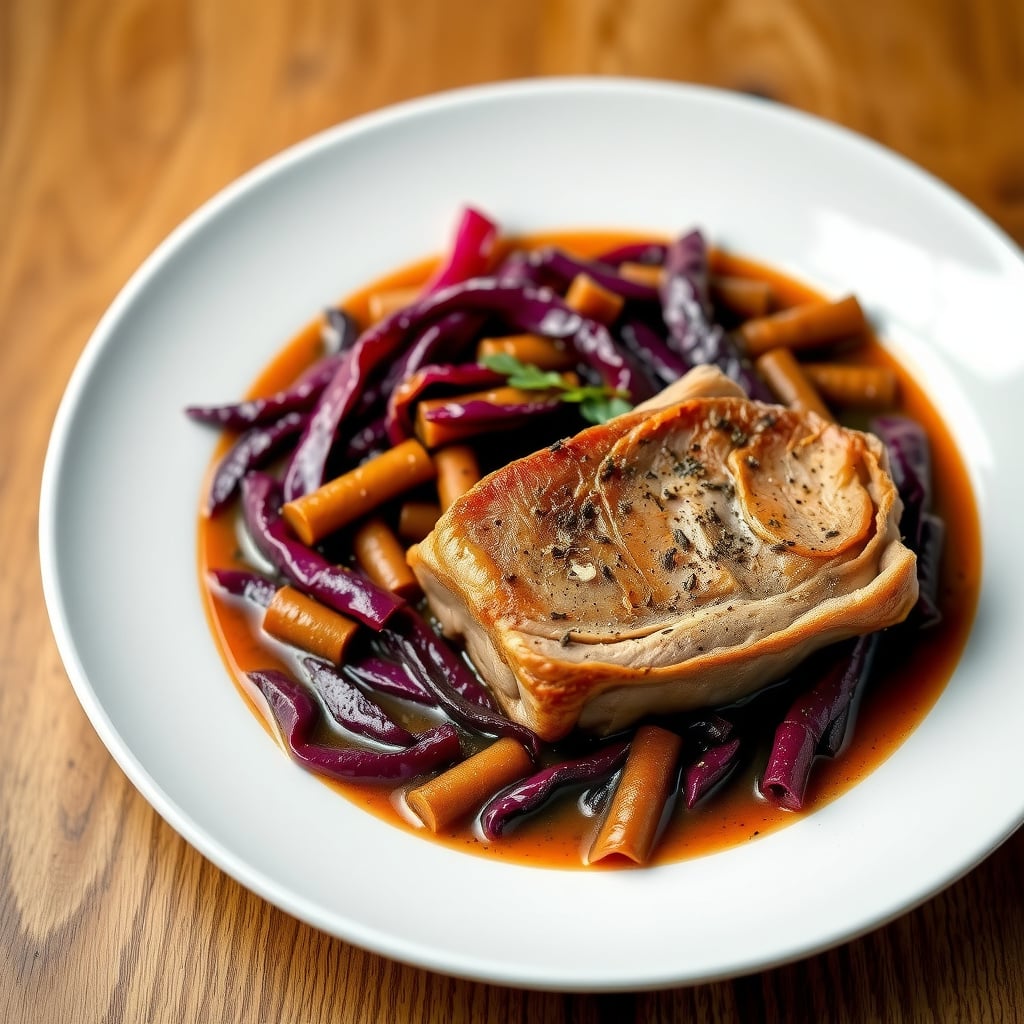
Bavarian Braised Pork Shoulder with Red Cabbage and Caraway
190min
4
View Full Recipe →
Ready to simplify your meal planning?
Let OttoChef AI create personalized meal plans for your family in seconds.