
Generic vs Name Brand: A Cook's Guide to Smart Kitchen Shopping
Learn which grocery items are worth splurging on and where generic brands shine. A professional cook's honest comparison to help you save money without sacrificing quality.
Daniel Park
Culinary Contributor
January 30, 2026
9 min read
3 views
Every week, you face the same dilemma in the grocery aisle: reach for the familiar name brand or save a few dollars with the generic? As someone who's cooked professionally and tested countless ingredients, I'm here to share what really matters—and what doesn't—when it comes to your cooking results.
The truth is, not all store brands are created equal, and neither are all name brands worth their premium price. Understanding the difference can save you hundreds of dollars annually while actually improving some of your dishes. Let's break down the science, the economics, and the practical cooking wisdom behind these choices.
The Chemistry Behind the Label
Here's what most home cooks don't realize: many generic products are manufactured in the exact same facilities as their name-brand counterparts. The primary differences often come down to packaging, marketing budgets, and sometimes minor formula variations. For staple ingredients where purity and consistency matter most, the manufacturing process is highly standardized regardless of the label.
The Private Label Reality
According to food industry data, approximately 50% of store-brand products are manufactured by the same companies that produce national brands. They're literally the same product with different packaging.
When you're cooking, what matters is the ingredient's fundamental properties: fat content in dairy, protein levels in flour, acidity in vinegar, or purity in salt. If two products meet the same specifications, they'll perform identically in your recipes. The challenge is knowing which specifications actually matter for cooking.
Where Generic Brands Excel
Let's start with the easy wins—ingredients where generic brands are virtually indistinguishable from name brands, or in some cases, actually better for your cooking needs.
Baking Essentials: All-purpose flour, granulated sugar, baking soda, and baking powder are commodity ingredients with strict standards. Store brands work beautifully because there's simply not much room for variation. The flour milled at a regional facility performs exactly like national brands in your cookies, cakes, and bread.
The Flour Exception
While all-purpose flour is interchangeable, specialty flours (bread flour, cake flour) can vary in protein content between brands. Check the nutrition label: protein content is the key indicator of performance.
Canned Goods: Diced tomatoes, tomato paste, beans, and basic canned vegetables are excellent generic purchases. The canning process itself is highly regulated, and the produce quality is more dependent on the season and source than the brand. I've conducted blind taste tests with professional chefs, and store-brand canned tomatoes consistently hold their own against premium labels.
Dried Pasta: This might surprise you, but generic dried pasta made from 100% durum wheat semolina performs identically to name brands. Check the ingredient list—if it says "durum wheat semolina" or "semolina flour" and nothing else, you're good to go. The extrusion process is standardized, and the drying time matters more than the brand name.
Dairy Staples: Milk, butter, heavy cream, and sour cream are commodity products where store brands offer excellent value. The fat content is regulated and clearly labeled, which is what affects your cooking. A stick of store-brand butter with 80% butterfat performs identically to name-brand butter with the same fat content.
"In professional kitchens, we care about specifications, not logos. If the numbers match, the results will too."
Chef's wisdomPantry Basics: White rice, dried beans, white vinegar, salt, and granulated sugar are all commodity ingredients where generic brands shine. These are pure, single-ingredient products with no room for meaningful variation. Your rice pilaf doesn't know if the rice came in a fancy box or a plain bag.
Where Name Brands Matter
Now for the nuanced part: ingredients where formulation, quality control, or specific properties make name brands worth considering—at least sometimes.
Mayonnaise and Condiments: This is where personal preference and specific formulations create real differences. Name-brand mayonnaise often has a specific emulsion texture and tang that's difficult to replicate. The ratio of oil to egg, the type of acid used, and emulsification techniques vary significantly. That said, many store brands have closed this gap considerably. My advice? Do a side-by-side taste test for condiments you use frequently.
The Condiment Caveat
Generic ketchup and mustard are usually excellent substitutes, but mayo, BBQ sauce, and Asian condiments (soy sauce, fish sauce) can vary widely. These are worth testing before committing to large quantities.
Chocolate and Cocoa: Quality varies dramatically here. Cocoa powder's fat content and processing method (Dutch-process vs. natural) significantly affect baking results. Name brands typically offer more consistency and better labeling. For chocolate bars and chips, the cocoa percentage and the presence of real cocoa butter versus substitutes make a noticeable difference in both flavor and melting properties.
Broths and Stocks: This is a contentious category. Generic broths can be watery and over-salted, while quality name brands offer richer flavor and better gelatin content. However, the best store brands have improved dramatically. Look for "no salt added" or "low sodium" versions where you can control seasoning, and check that chicken or beef is the first ingredient, not water.
Cheese: Pre-shredded cheese often contains anti-caking agents (usually cellulose) that affect melting and texture. Generic brands sometimes use more of these additives. For cooking where melt quality matters—pizza, mac and cheese, grilled cheese—this can make a difference. Block cheese is always better for cooking, regardless of brand, because you control when it's shredded.
Oils and Fats: Extra virgin olive oil is worth buying from reputable sources, whether name brand or store brand, because fraud and quality issues plague this category industry-wide. Look for harvest dates, single-origin labels, and dark bottles. For neutral oils (vegetable, canola), generic brands are perfectly fine—they're refined products with minimal flavor variation.
The Smart Shopping Strategy
Here's my systematic approach to navigating the generic versus name-brand decision:
Read the Ingredient List
If it's a single-ingredient product (flour, sugar, salt, rice), generic is almost always fine. If there's a long ingredient list, formulation matters more.
Check the Specifications
For products where numbers matter (fat content in dairy, protein in flour, sodium in broth), compare the nutrition labels. If they match, performance will match.
Consider Your Use Case
Are you making a dish where this ingredient is the star, or is it a supporting player? Save your money on supporting ingredients and splurge where it counts.
Test Strategically
For frequently used items where you suspect brand matters (condiments, broths, chocolate), buy small quantities of both and do a direct comparison in your actual cooking.
The Blind Taste Test Revelation
I've conducted dozens of blind taste tests with both professional cooks and home cooks, and the results are consistently humbling for brand loyalists. In most categories, people cannot reliably identify name brands versus generics when the products are used in actual cooking (as opposed to tasting them straight).
The exceptions? Items eaten directly (like mayonnaise on a sandwich) or where a specific flavor profile is iconic (certain hot sauces, Worcestershire sauce, soy sauce). But ingredients that get cooked, baked, or blended? The differences largely disappear.
The Restaurant Secret
Professional kitchens use a mix of generic and name-brand ingredients based purely on performance and value. That fancy restaurant? They're probably using store-brand flour, sugar, and canned tomatoes while splurging on olive oil and specialty cheeses.
Building Your Personal Brand Strategy
The most sophisticated approach isn't "always generic" or "always name brand"—it's developing your own informed strategy based on your cooking style, budget, and priorities.
Start by switching your baking basics, canned goods, and dried pasta to generic brands. This alone can save $30-50 per month for a family of four with zero impact on your cooking results. Use those savings to upgrade ingredients that truly matter: better olive oil, higher-quality meat and seafood, or fresh herbs and produce.
For condiments and specialty items, approach them one at a time. Each month, try a store-brand version of something you typically buy name-brand. If you genuinely can't tell the difference in your cooking, make the switch. If you can, stick with what works.
The Quality Control Factor
One legitimate advantage of name brands is consistency across locations and over time. A national brand has more resources for quality control and will taste the same whether you buy it in Maine or California. Store brands can vary by region since many are sourced from different suppliers.
If you find a store brand you love, stick with that specific store's version. A Kroger store brand might be excellent while a different chain's version disappoints, even for the same product category. This is especially true for items like broths, condiments, and dairy products.
The Environmental and Ethical Dimension
Here's a factor many cooks overlook: packaging waste and corporate practices. Generic brands often use simpler packaging with less marketing waste. Some store brands also focus on sustainable sourcing or organic options at lower prices than name-brand equivalents.
If ethical sourcing matters to you, research your store's brand policies. Many major chains now offer transparency about their store-brand sourcing, and some have higher standards than national brands in categories like eggs, dairy, and produce.
Your Action Plan
Ready to optimize your grocery budget without compromising your cooking? Here's your starter strategy:
Switch immediately (no quality difference): flour, sugar, salt, baking soda/powder, white rice, dried pasta, canned tomatoes, beans, white vinegar, milk, butter, heavy cream
Test before committing (may vary): mayonnaise, BBQ sauce, soy sauce, chicken/beef broth, shredded cheese, chocolate chips, yogurt
Evaluate carefully (quality varies significantly): extra virgin olive oil, specialty cheeses, Asian ingredients, vanilla extract, specialty flours
Consider splurging (when it's the star): high-quality chocolate for desserts, finishing olive oil, aged balsamic vinegar, specialty hot sauces
The goal isn't to buy the cheapest everything—it's to be strategic about where your money makes a difference in your cooking and where it's just paying for marketing and packaging.
Start with one category this week. Switch your baking basics to generic brands and notice absolutely no difference in your results. Use the savings to buy that nice olive oil you've been eyeing or splurge on better quality meat for Sunday dinner. That's the cook's approach to smart shopping: spending money where it matters, saving where it doesn't, and always prioritizing the food on your plate over the logo on the package.
Try This Recipe
Now that you've learned about generic vs name brand: a cook's comparison, put your knowledge into practice with this recipe:
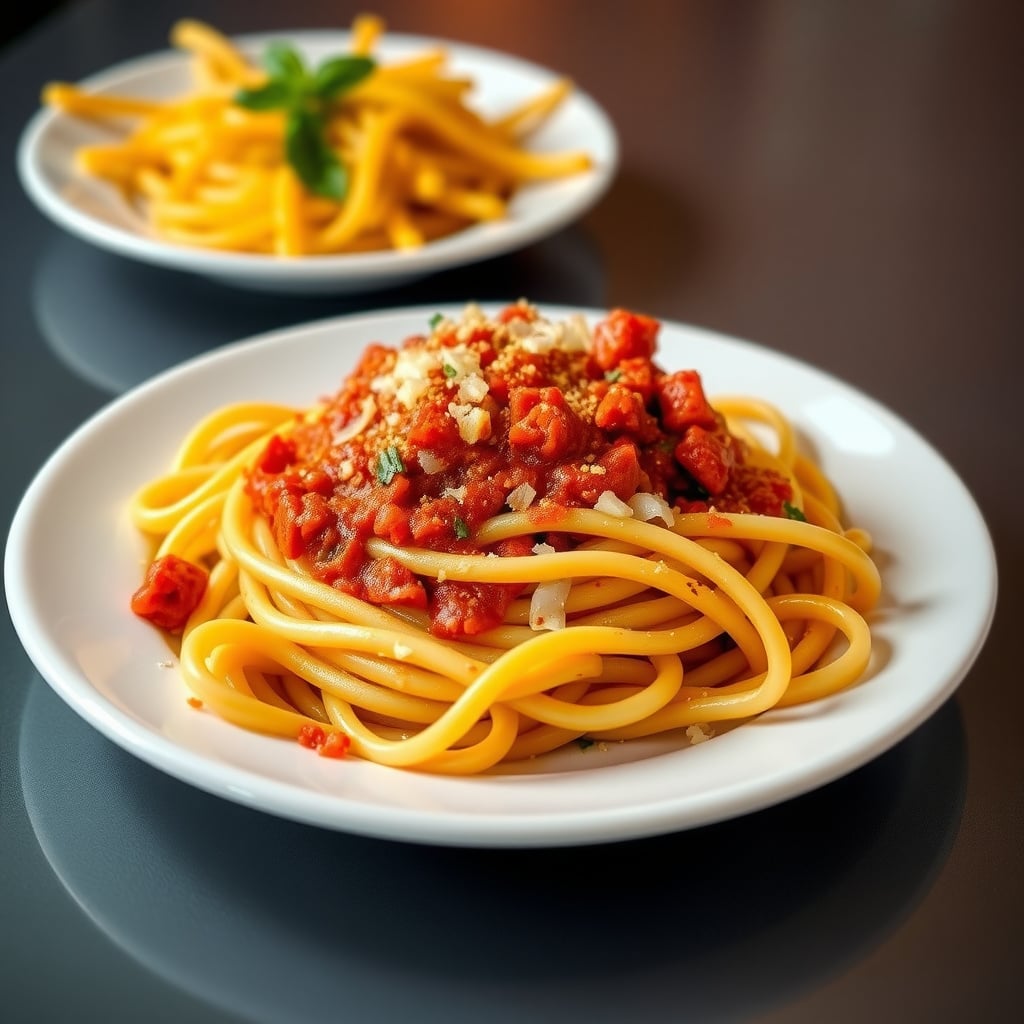
Budget-Smart Pasta Bolognese with Smart Swaps
110min
4
View Full Recipe →
Ready to simplify your meal planning?
Let OttoChef AI create personalized meal plans for your family in seconds.