
Gardening with Kids: From Seed to Seasonal Kitchen Skills
Learn how to involve children in the garden-to-table process. Discover kid-friendly crops, harvest techniques, and kitchen skills that build healthy habits.
Daniel Park
Culinary Contributor
June 19, 2026
5 min read
Many parents face a familiar challenge: the dinner-table standoff over a serving of broccoli or spinach. Often, this resistance stems from a lack of familiarity. When food simply appears on a plate, it can feel abstract or even suspicious to a young child. One of the most effective ways to bridge this gap is to invite children into the process of growing their own food. By transitioning from a passive consumer to an active producer, a child develops a sense of ownership over their nutrition that no amount of coaxing can replicate.
The Science of Scent
Teaching kids to harvest herbs like basil or mint provides an immediate lesson in chemistry. When they gently rub a leaf, they are rupturing the plant's trichomes—tiny storage tanks for essential oils. This release of aroma is a powerful sensory hook that makes them more likely to enjoy those flavors in a finished dish.
Building a garden-to-table connection starts with selecting the right plants. For children, immediate gratification and tactile variety are key. Fast-growing crops like radishes can go from seed to harvest in as little as 25 days, providing a quick win that maintains their interest. Meanwhile, sensory-heavy plants like 'Snap' peas offer a satisfying auditory 'crunch' and a sweet flavor profile that appeals to younger palates. When children see a plant move through its life cycle, they begin to understand seasonality—a fundamental culinary concept that even many adult home cooks struggle to master.
Start Small
You do not need a massive backyard to teach garden-to-table principles. A few pots on a sunny windowsill or a single raised bed are enough to grow a significant amount of herbs, salad greens, and cherry tomatoes. Focus on quality of interaction rather than quantity of yield.
Once the plants reach maturity, the transition from the soil to the cutting board represents a critical educational moment. This is where gardening becomes cooking. Harvesting requires fine motor skills and an understanding of plant anatomy. For instance, teaching a child how to pick lettuce by taking only the outer leaves allows the plant to continue growing—a lesson in sustainability and patience.
"A child who spends three weeks watering a tomato plant is significantly more likely to eat that tomato than one bought at a supermarket. Ownership is the greatest seasoning."
Chef Julianne MercerTo move effectively from the garden to the kitchen, follow a structured approach that emphasizes safety and technique. This ensures the experience is productive rather than chaotic.
Proper Harvesting
Show children how to use clean kitchen shears or their fingers to harvest without damaging the main plant. Explain that 'bruising' a vegetable during harvest can lead to faster spoilage and loss of flavor.
The Cleaning Station
Set up a large bowl of cool water. Instead of rinsing under a high-pressure tap, which can damage delicate greens, teach kids to 'swish' the produce in the water. This allows grit and soil to sink to the bottom while the vegetables remain intact.
Mise en Place Preparation
Involve kids in organizing the harvested ingredients. Have them separate the mint leaves from the woody stems or snap the ends off green beans. This tactile engagement builds familiarity with the raw state of the food before heat is applied.
Involving children in the kitchen also provides an opportunity to discuss the 'why' behind culinary techniques. When you roast the carrots they pulled from the earth, you can explain how the heat of the oven turns the plant's natural starches into sugars through caramelization. This makes the vegetable taste sweeter, which is often a revelation for kids who have only had raw or steamed vegetables.
Safety First
Always supervise children when using garden tools or kitchen equipment. Introduce 'bridge' and 'claw' grips early on when they begin assisting with prep work to ensure their fingers are always tucked away from any cutting edges.
Furthermore, this process teaches children about the diversity of international cuisines. A simple garden containing cilantro, scallions, and peppers can become the gateway to discussing Mexican salsa or Thai stir-fries. By connecting the physical plant to a specific cultural flavor profile, you expand their culinary horizons far beyond the standard 'kid's menu' fare. They begin to see food as a global language rather than just a chore to be eaten.
Biodiversity in the Garden
Encourage kids to grow 'heirloom' varieties, such as purple carrots or striped tomatoes. This teaches them that produce in the grocery store represents only a tiny fraction of the world's edible plants, fostering a deeper appreciation for agricultural diversity.
As you integrate these garden-to-table habits, remember that the goal is not perfection. Some plants will wither, and some harvests will be eaten by local wildlife before they reach your kitchen. These moments are just as educational as a successful harvest. They teach resilience and the reality of where our food comes from. By making the garden an extension of your kitchen, you are giving your children the tools to become confident, adventurous, and knowledgeable cooks for the rest of their lives. Experiment with different varieties each season and let their curiosity guide your next meal plan.
Try This Recipe
Now that you've learned about garden to table: involving kids in growing food, put your knowledge into practice with this recipe:
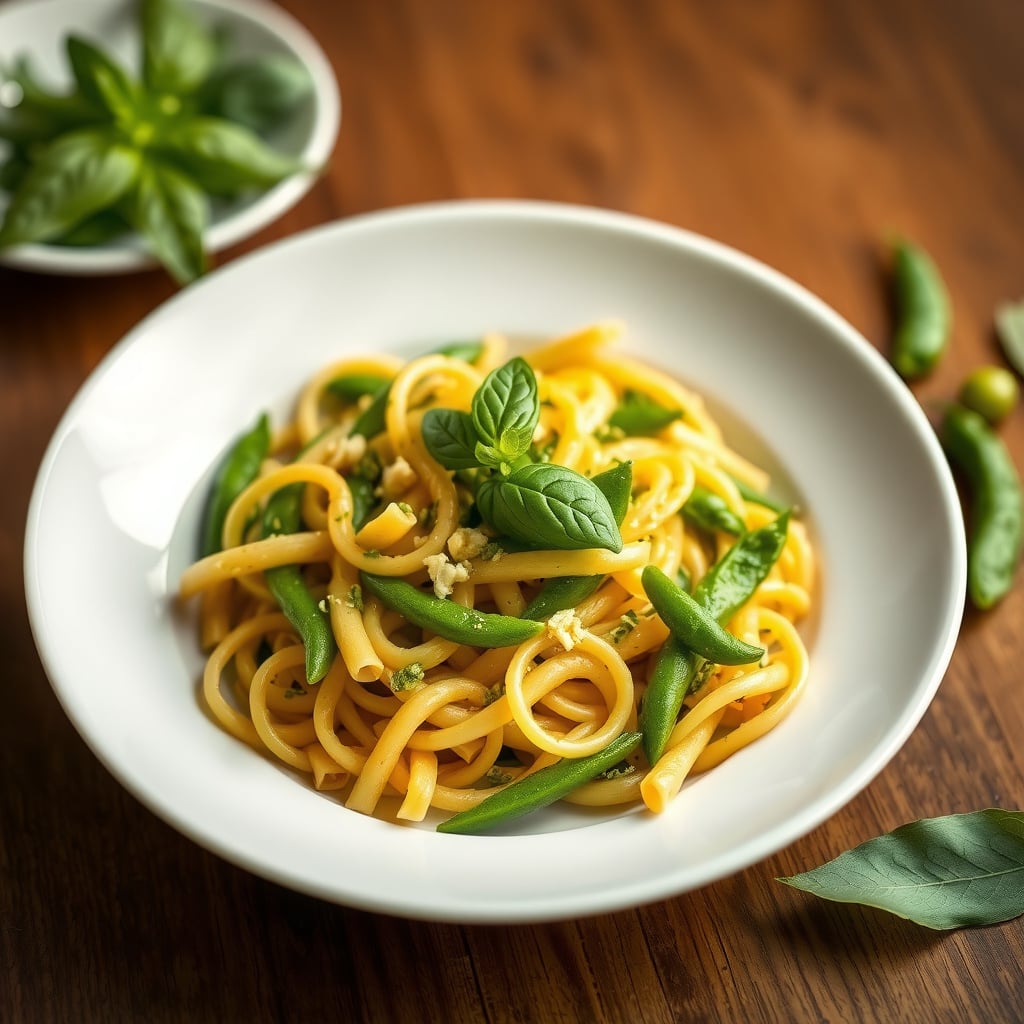
Garden-Fresh Harvest Pasta with Sweet Pea & Basil Pesto
40min
4
View Full Recipe →
Ready to simplify your meal planning?
Let OttoChef AI create personalized meal plans for your family in seconds.