
Freezer-Friendly Meals: The Complete Guide to What Freezes Well
Master the art of freezer meal prep with this comprehensive guide. Learn which foods freeze beautifully, what to avoid, and expert techniques for preserving flavor.
Alex Thompson
Food Editor
March 11, 2026
8 min read
8 views
Opening your freezer to find a stash of ready-to-heat meals feels like discovering buried treasure after a long day. But not all foods emerge from their frozen hibernation with their dignity intact. That lasagna you froze three months ago? Still delicious. The leftover pasta salad? A sad, watery disappointment.
Understanding what freezes well transforms your meal prep game from chaotic to strategic. The difference between freezer success and failure often comes down to science: water content, fat composition, and cellular structure determine whether a dish survives the freeze-thaw cycle with grace or falls apart completely.
The Science Behind Freezer Success
When food freezes, water molecules form ice crystals. In high-moisture foods, these crystals puncture cell walls, leading to mushiness upon thawing. Foods with stable structures—like cooked grains, dense proteins, and dishes bound with sauce—fare much better because their cellular integrity remains largely intact.
Fat content matters too. Dishes with moderate fat content freeze beautifully because fat doesn't expand like water. This is why braised meats, curry-based dishes, and bean stews are freezer champions. However, dairy-heavy sauces can separate or become grainy as their emulsions break down during freezing.
Flash Freezing Individual Portions
Before freezing soups or stews in containers, portion them into muffin tins and freeze until solid. Pop out the frozen portions and store in freezer bags. This creates perfect single servings that thaw quickly and prevent you from defrosting more than you need.
The Freezer Hall of Fame: What Freezes Beautifully
Braised and Stewed Dishes: Pot roasts, beef stew, chili, and curry actually improve in the freezer. The extended time allows flavors to meld even further. The key is their high liquid content combined with structural proteins that hold together well.
Soups (with caveats): Broth-based soups, bean soups, and pureed vegetable soups freeze excellently. The exception? Cream-based soups often separate. If you're freezing a creamy soup, hold back the dairy and add it fresh when reheating.
Cooked Grains and Legumes: Rice, quinoa, farro, lentils, and beans freeze remarkably well. Spread them on a baking sheet to flash freeze, then transfer to bags. They'll stay loose and scoopable rather than forming one giant block.
Tomato-Based Sauces: Marinara, bolognese, and enchilada sauce are freezer superstars. Tomatoes' cellular structure holds up beautifully, and the acidity helps preserve flavor integrity.
Baked Goods (mostly): Bread, muffins, cookie dough, and pie crusts freeze exceptionally well. The lower moisture content and stable gluten networks mean they thaw without textural degradation.
The Three-Month Rule
While frozen food remains safe indefinitely at 0°F, quality degrades over time. Most cooked dishes maintain peak flavor for 2-3 months. Label everything with contents and date—your future self will thank you when you're staring into a freezer full of mystery containers.
The Freezer Wall of Shame: What to Avoid
High-Water Vegetables: Lettuce, cucumber, celery, and radishes turn to mush because they're 90%+ water. When ice crystals form, they destroy the crisp cellular structure that makes these vegetables appealing. There's no recovery.
Cream-Based Sauces: Alfredo, béchamel, and cream-enriched soups often separate into grainy, watery disasters. The emulsion breaks down as ice crystals form, and no amount of whisking brings back that silky texture.
Soft Cheeses: Fresh mozzarella, ricotta, and soft goat cheese become crumbly and watery. Hard cheeses like cheddar and parmesan fare better but may become slightly crumbly. If you must freeze cheese, shred it first—the texture change is less noticeable in cooked dishes.
Fried Foods: That crispy coating you worked so hard to achieve? It becomes soggy in the freezer as moisture redistributes. While you can freeze fried items, don't expect them to retain their crunch without re-frying or re-crisping in the oven.
Egg-Based Sauces: Mayonnaise, aioli, and hollandaise break irreparably. The emulsion separates, and you're left with an oily, curdled mess. If a dish contains these sauces, plan to make them fresh.
Pasta Pitfalls
Cooked pasta continues absorbing liquid in the freezer, emerging mushy and overcooked. If you're freezing pasta dishes, undercook the pasta by 2-3 minutes before combining with sauce. It'll finish cooking to perfect tenderness when reheated.
Strategic Freezing Techniques
Cool Completely Before Freezing
Hot food raises your freezer's temperature, potentially compromising other frozen items. Spread hot dishes in shallow containers to cool within two hours, then transfer to freezer-safe containers. This rapid cooling also prevents bacterial growth.
Remove Excess Air
Air exposure causes freezer burn—those dry, discolored patches that ruin texture and flavor. Press plastic wrap directly onto the surface of soups and sauces before sealing containers. For bag storage, use the water displacement method: submerge the filled bag (unsealed) in water until the pressure pushes out the air, then seal quickly.
Choose the Right Container
Rigid containers work best for liquids and prevent crushing. Leave one inch of headspace for expansion. For solid items, freezer bags save space and stack efficiently. Glass containers work but must be freezer-safe to prevent cracking.
Freeze Flat for Efficiency
Fill freezer bags halfway, seal, and lay flat on a baking sheet until frozen solid. These frozen "planks" stack beautifully and thaw faster than bulky containers. You can fit three times as much in your freezer using this method.
"The freezer is not a pause button—it's a flavor time machine. The dishes that freeze well are the ones that understand this and work with the process, not against it."
Chef Sarah Martinez, meal prep specialistMastering the Gray Area: Foods That Need Special Handling
Some ingredients fall into a middle zone—they'll freeze, but only with the right technique:
Potatoes: Cooked potatoes become grainy when frozen due to their high starch content. However, mashed potatoes with added fat (butter, cream cheese) freeze reasonably well. Roasted potatoes can work if you're willing to crisp them in the oven after thawing.
Herbs: Delicate herbs like basil and cilantro lose their structure, but freezing them in oil preserves their flavor beautifully. Chop herbs, pack into ice cube trays, cover with olive oil, and freeze. Pop out cubes as needed for cooking.
Cooked Chicken Breast: Notoriously dry when reheated, chicken breast benefits from freezing in sauce or broth. The liquid prevents moisture loss during the freeze-thaw cycle. Shredded chicken freezes better than whole pieces.
Rice Dishes: Plain rice freezes well, but rice mixed with vegetables can be tricky. The vegetables release water that makes the rice mushy. Choose hearty vegetables like peas, corn, and bell peppers over watery options like zucchini.
The Sauce Strategy
When in doubt, add more sauce. Foods freeze and reheat better when surrounded by liquid. That extra cup of tomato sauce or broth might seem excessive now, but it prevents dryness and freezer burn. You can always reduce the sauce when reheating if it's too thin.
Thawing: The Other Half of the Equation
Proper thawing matters as much as proper freezing. The gold standard is overnight refrigerator thawing—it's safe and preserves texture. For faster results, submerge sealed containers in cold water, changing the water every 30 minutes.
Microwave defrosting works in a pinch but often creates hot spots and partially cooked edges. If you go this route, use 30% power and stop frequently to break up frozen sections.
Many soups, stews, and sauces can go straight from freezer to stovetop. Add them frozen to a pot over low heat, stirring occasionally as they thaw and heat through. This method often yields better texture than thawing first.
Building a Freezer Meal Prep Strategy
The most successful freezer meal preppers don't just freeze leftovers—they cook with freezing in mind. Double batch your favorite chili and freeze half. When making meatballs, triple the recipe. Roast two chickens instead of one.
Create a rotation system: aim for 8-10 different frozen meals in your freezer at any time. This prevents flavor fatigue and gives you real choice on busy nights. Label containers with not just the contents and date, but also reheating instructions. Your exhausted weeknight self will appreciate the guidance.
Think in components, not just complete meals. Frozen cooked grains, sautéed aromatics (onions, garlic, ginger), and pre-portioned proteins become building blocks for quick meals. You're not just reheating—you're assembling.
The Flavor Adjustment Factor
Freezing can dull some flavors, particularly salt, acid, and fresh herbs. When preparing meals specifically for freezing, slightly under-season them. You can always adjust with fresh lemon juice, herbs, or a pinch of salt when reheating. This approach keeps flavors bright rather than flat.
The Bottom Line
Your freezer is one of the most powerful meal prep tools in your kitchen, but only if you understand its limitations. Foods with stable structures, moderate moisture, and good fat content freeze beautifully. High-water vegetables, cream sauces, and delicate textures don't.
The secret isn't just knowing what freezes well—it's cooking with the freezer in mind. Undercook pasta slightly. Add extra sauce. Choose hearty vegetables over delicate ones. Cool quickly, package properly, and label clearly.
With these principles guiding your prep, your freezer transforms from a graveyard of forgotten leftovers into a strategic arsenal of ready-to-heat meals. The next time you're staring at a chaotic weeknight, you'll open that freezer door and find exactly what you need.
Try This Recipe
Now that you've learned about freezer-friendly meals: what freezes well and what doesn't, put your knowledge into practice with this recipe:
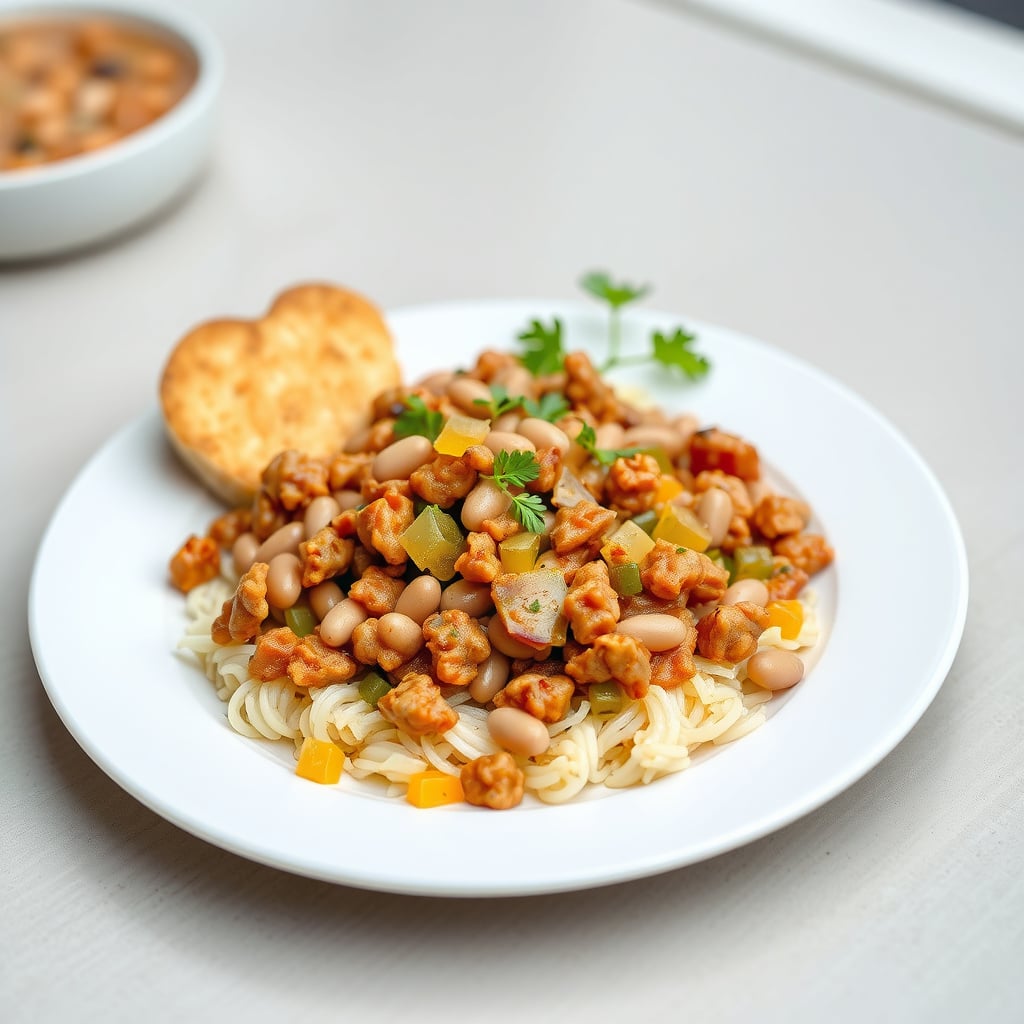
Make-Ahead Turkey and White Bean Chili
50min
4
View Full Recipe →
Ready to simplify your meal planning?
Let OttoChef AI create personalized meal plans for your family in seconds.