
Foraging Conifer Needles: Citrusy Terpenes and Vitamin C
Learn how to safely forage and cook with conifer needles like pine, spruce, and fir. Discover how to harness their citrusy terpenes and high Vitamin C in savory dishes.
Lily Nakamura
Recipe Editor
August 31, 2026
6 min read
11 views
Imagine walking through a cold evergreen forest. The sharp, clean scent of pine and spruce fills the air. This fragrance isn't just pleasant—it is a culinary asset. Conifer needles are rich in vitamin C and packed with volatile organic compounds called terpenes, which deliver bright, citrusy, and resinous flavors to savory dishes. Using these wild greens allows you to introduce complex acidity and forest-floor depth to your cooking without relying solely on traditional citrus fruits.
Foraging for conifers is an ancient practice. Long before modern supply chains brought lemons and limes to northern climates, indigenous populations and early explorers relied on conifer needles to prevent scurvy during long winters. Today, understanding the science of these needles can elevate your home cooking, bringing a unique, wild element to your pantry.
The Chemistry of Conifer Flavors: Terpenes Explained
The distinct aroma of a pine or spruce forest comes from terpenes—organic compounds produced by plants as a natural defense mechanism. The most prominent terpenes in conifers are alpha-pinene (which smells of fresh pine and rosemary) and limonene (which provides a sharp, citrusy note identical to the compound found in lemon peels).
Because these terpenes are highly volatile, they degrade quickly when exposed to prolonged heat. To preserve their bright, citrusy character, conifer needles are best utilized in raw preparations, quick infusions, or added at the very end of the cooking process.
The Vitamin C Powerhouse
Gram for gram, fresh pine and spruce needles can contain up to three to five times more vitamin C than an orange. This high acid profile translates directly to the palate, offering a sharp, bright flavor that cuts through rich, fatty foods.
Safe Identification: Knowing Your Trees
Before you head into the woods with foraging shears, absolute certainty in tree identification is mandatory. While many conifers are edible and delicious, there are toxic lookalikes you must avoid.
Avoid the Toxic Yew
The English Yew (Taxus baccata) and related yew species are highly toxic to humans and animals. Yews have flat, dark green needles arranged in two flat rows along the twig, and they produce bright red, cup-like berries instead of woody cones. Never consume any part of a yew tree. If you cannot make a 100% positive identification of a tree, do not eat it.
For culinary purposes, focus on these three safe, common genera:
- Pine (Pinus): Pines are easily identified because their needles grow in clusters of two, three, or five held together at the base by a small papery sheath. Pine needles offer a classic, resinous, warm flavor.
- Spruce (Picea): Spruce needles are short, stiff, and sharp to the touch. They grow individually from the branch (not in clusters) and are four-sided—you can easily roll a single spruce needle between your thumb and forefinger. Spruce has a distinctly citrusy, grapefruit-like acidity.
- Fir (Abies): Fir needles are flat, soft, and flexible. They do not roll easily between your fingers. The underside of a fir needle typically features two bright white stripes. Firs often carry sweet, citrusy, and slightly floral notes.
Sustainable Harvesting
Always harvest mindfully. Never take more than a few needle clusters or tips from a single tree, and never harvest the leading bud at the very top of a young tree, as this stunts its vertical growth. Focus on healthy, mature trees situated far away from busy roads to avoid chemical runoff.
How to Process and Store Conifer Needles
To unlock the cell walls of conifer needles and release their aromatic oils, they must be processed correctly. Raw, whole needles are tough and unpleasant to chew, so physical breakdown is necessary.
Clean and Dry
Gently rinse your harvested branches in cool water to remove any wild debris, dust, or insects. Pat them completely dry with a clean kitchen towel. Any residual moisture will cause the needles to spoil quickly during storage or infusion.
De-needle
Strip the needles from the woody branches by holding the branch tip and sliding your fingers downward against the direction of growth. For spruce and fir, they should pop off easily. For pine, snip the papery sheath at the base to release the needle cluster.
Mince or Grind
For immediate use in dry rubs or marinades, finely mince the fresh needles with a sharp chef's knife. For long-term preservation, dehydrate the needles at a low temperature (around 95°F or 35°C) until they are brittle, then grind them into a fine powder using a clean spice grinder.
“The coniferous forest is a pantry of bright, citrusy acidity waiting to be unlocked, challenging our assumption that sourness only comes from fruit.”
Pascal Baudar, Wild Food GastronomistCulinary Applications in Savory Cooking
Once processed, conifer needles can be integrated into your daily cooking in several highly effective ways. Because terpenes are fat-soluble, infusing them into fats is one of the best methods to capture and preserve their flavor.
Conifer-Infused Oils and Fats
Blending fresh, minced spruce or fir needles with a neutral oil (like grapeseed or canola) yields a vibrant green oil that tastes remarkably like citrus and rosemary. Drizzle this oil over roasted root vegetables, seared mushrooms, or grilled fish just before serving. You can also whip minced needles into softened butter to create a compound butter that pairs beautifully with game meats, venison, or roasted poultry.
Finishing Salts and Rubs
Mixing finely minced fresh needles or dried conifer powder with coarse sea salt creates an excellent finishing salt. The salt draws out the moisture and oils from the needles, preserving the bright green color and fresh pine aroma. Use this salt to season roasted potatoes, cured fish, or hearty winter stews.
Quick Pickles and Vinegars
If you want to lean into the acidic nature of conifers, steep fresh pine or spruce needles in warm white wine vinegar or apple cider vinegar for two to three weeks. The resulting infusion is highly aromatic and serves as an excellent base for vinaigrettes, marinades, or deglazing liquids for pan sauces.
By understanding the chemical properties of these forest greens, you can confidently step outside the traditional spice cabinet. Experimenting with conifers brings a fresh, localized acidity to your savory dishes, connecting your kitchen directly to the changing seasons of the natural world.
Try This Recipe
Now that you've learned about foraging conifer needles: harnessing citrusy terpenes and vitamin c in savory cooking, put your knowledge into practice with this recipe:
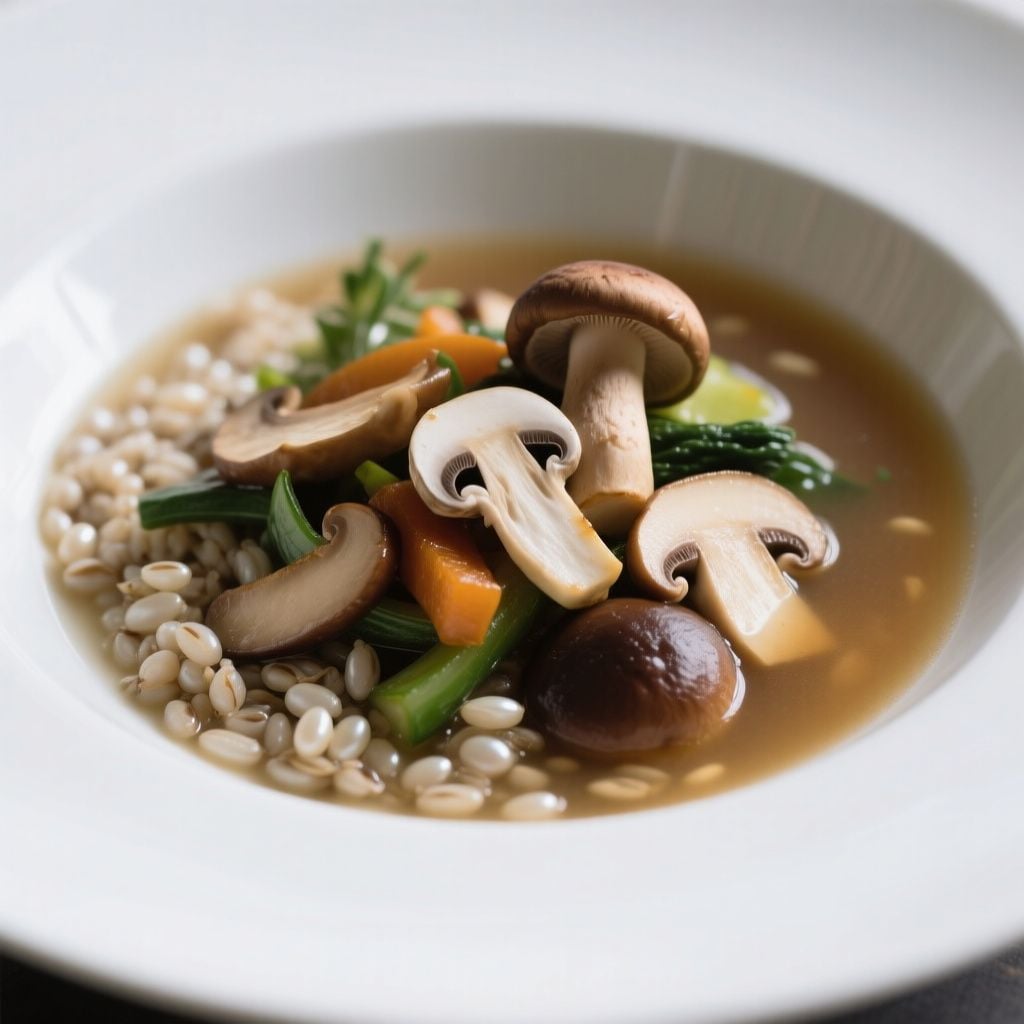
Spruce-Infused Forest Mushroom & Barley Bowl
45min
4
View Full Recipe →
Ready to simplify your meal planning?
Let OttoChef AI create personalized meal plans for your family — free to use, no credit card.