
Filipino Cooking: The Overlooked Asian Cuisine Worth Mastering
Discover the bold flavors and unique techniques of Filipino cuisine. Learn essential cooking methods, pantry staples, and flavor-building strategies for this underrated culinary tradition.
Sofia Rossi
Kitchen Editor
March 7, 2026
8 min read
6 views
When home cooks explore Asian cuisines, they often gravitate toward Thai curries, Japanese ramen, or Chinese stir-fries. Meanwhile, Filipino cooking—with its complex flavor profiles and fascinating culinary history—remains quietly waiting in the wings. This oversight means missing out on one of the world's most dynamic and approachable cuisines.
Filipino cooking offers home cooks a remarkable advantage: it's designed for practicality. Born from island living, limited refrigeration, and the need to feed large families, Filipino techniques emphasize bold preservation methods, efficient cooking, and layers of flavor that develop over time. Understanding these foundations will transform how you approach everyday cooking, regardless of what cuisine you're preparing.
The Flavor Foundation: Sour, Salty, and Savory
Filipino cuisine builds on three foundational flavor pillars that work in harmony rather than competition. The interplay between sourness (from vinegar, tamarind, or calamansi), saltiness (from fish sauce, bagoong, or soy sauce), and umami-rich savory notes creates depth that keeps you coming back for another bite.
Unlike cuisines that rely heavily on fresh herbs added at the end, Filipino cooking incorporates aromatics early and allows them to mellow and blend. Garlic, onions, and tomatoes form the holy trinity—sautéed until deeply caramelized, they create a flavor base called "ginisa" that appears in countless dishes.
The Ginisa Technique
Ginisa (pronounced gee-nee-SAH) means "sautéed" in Tagalog, but it's more than just a cooking method—it's a flavor philosophy. Taking the time to properly brown your aromatics until the onions turn translucent and sweet, the garlic becomes golden, and the tomatoes break down into a jammy consistency creates a foundation that elevates everything that follows.
Mastering Adobo: More Than a Recipe, It's a Method
Adobo represents Filipino cooking's most essential technique, and understanding it unlocks dozens of applications. At its core, adobo is a braising method that uses vinegar's acidity to tenderize proteins while building a concentrated, glossy sauce.
The technique works because vinegar doesn't just add tang—it breaks down tough muscle fibers, allows aromatics to penetrate deeply, and creates an environment where flavors meld rather than compete. The high acidity also acts as a preservative, which is why adobo actually tastes better the next day and keeps well without refrigeration.
Create Your Braising Liquid
Combine vinegar (traditionally cane vinegar, but apple cider works well), soy sauce, crushed garlic, black peppercorns, and bay leaves. The ratio is typically 1:1 vinegar to soy sauce, but adjust to taste. Don't stir yet—let the vinegar cook undisturbed initially to mellow its harshness.
Brown the Protein
While optional, searing your chicken, pork, or even vegetables before braising adds another layer of complexity through caramelization. This step creates fond on the bottom of the pot that will dissolve into your sauce.
Braise Low and Slow
Add your protein to the braising liquid, bring to a boil, then reduce to a gentle simmer. Cover and cook until tender—30-40 minutes for chicken, up to 90 minutes for pork. The long cooking time allows the vinegar's sharpness to transform into a mellow, complex tang.
Reduce and Glaze
Once the protein is tender, remove the lid and increase heat to reduce the sauce. It should become glossy and coat the back of a spoon. This concentration intensifies every flavor you've built.
Adobo Beyond Filipino Cooking
This braising technique works brilliantly with mushrooms, tofu, root vegetables, or even eggs. The method's versatility means you can apply it to whatever ingredients you have on hand. Try it with Brussels sprouts or cauliflower for a revelation in vegetable cooking.
The Power of Fish Sauce and Fermented Shrimp Paste
Filipino cooking's umami backbone comes from two ingredients that intimidate many Western cooks: patis (fish sauce) and bagoong (fermented shrimp paste). Understanding how to use these transforms them from scary to indispensable.
Fish sauce isn't meant to make dishes taste fishy—it's a salt substitute that adds depth and complexity. Think of it as liquid umami. When cooked, its pungent aroma mellows into a savory richness that's impossible to achieve with regular salt alone. Start with small amounts and build up; you can always add more.
Bagoong, meanwhile, functions as both seasoning and condiment. The fermented shrimp paste delivers an intense, funky umami that balances sweet and sour elements. A small spoonful stirred into sautéed vegetables or used as a dipping sauce (mixed with calamansi and chili) adds dimension that elevates simple dishes.
Common Mistake with Fish Sauce
Don't add fish sauce at the end of cooking like you would salt. It needs time to cook and mellow. Add it during the middle stages of cooking, taste, and adjust. The raw smell will dissipate as it integrates with other flavors.
"Filipino cooking teaches patience—flavors aren't rushed, they're coaxed out through time, heat, and the marriage of seemingly opposing tastes."
Chef Dale TaldeSinigang: The Art of Sour Soups
Sinigang represents another foundational Filipino technique: building complex soups around a sour base. While many cuisines use acidity as an accent, Filipino cooking makes it the star, balancing it with savory and sweet elements.
The traditional souring agent is tamarind, but Filipinos adapt based on what's available—green mango, calamansi, tomatoes, or even kamias (bilimbi). This adaptability teaches an important lesson: sourness is a spectrum, and different acids create different effects.
Tamarind brings earthy, fruity notes. Green mango adds brightness and subtle sweetness. Tomatoes contribute acidity with body and umami. Learning to layer these acids—starting with tomatoes for base, finishing with tamarind or calamansi for brightness—creates soups with remarkable depth.
Building Sinigang Broth
Start by boiling your protein (pork ribs, shrimp, fish, or beef) with onions and tomatoes until the tomatoes break down. This creates your savory foundation. Add your souring agent midway through cooking—too early and the acid prevents vegetables from softening properly. Finish with fish sauce for seasoning and leafy greens that wilt in the residual heat.
Essential Filipino Pantry Staples
Building a Filipino pantry doesn't require dozens of obscure ingredients. Focus on these versatile staples that you'll use repeatedly:
Vinegars: Cane vinegar is traditional, but apple cider vinegar substitutes well. Keep both white and seasoned (with garlic) versions on hand.
Soy Sauce: Both light (for seasoning) and dark (for color) have their place. Filipino soy sauce tends to be slightly sweeter than Japanese varieties.
Fish Sauce (Patis): Buy a mid-range bottle—the ultra-cheap versions are too harsh, while premium ones are unnecessary for cooking.
Bay Leaves: Filipino cooking uses these liberally. The dried leaves add subtle complexity to braises and stews.
Black Peppercorns: Whole peppercorns, crushed right before cooking, provide warmth without overwhelming heat.
Calamansi or Limes: Fresh citrus for finishing dishes and cutting through richness.
Smart Substitutions
Don't have cane vinegar? Use 2 parts apple cider vinegar to 1 part rice vinegar. Missing calamansi? Mix 2 parts lime juice with 1 part orange juice. Filipino cooking's genius lies in its adaptability—the technique matters more than perfect authenticity.
Cooking for the Week: Filipino Meal Prep Wisdom
Filipino cooking's practicality shines in meal planning. Many dishes improve over time as flavors meld, and the cuisine's emphasis on braised proteins and vegetable-forward sides makes batch cooking natural.
Adobo, as mentioned, keeps for days and tastes better each time you reheat it. The same applies to most stews and braised dishes. Cook a large batch on Sunday, and you have protein ready for quick weeknight meals—serve over rice, stuff into sandwiches, or toss with noodles.
The technique of "paksiw"—cooking in vinegar—means leftovers last longer without refrigeration. While you'll likely refrigerate anyway, this built-in preservation means less worry about food safety and more flexibility in your meal planning.
Repurposing Adobo
Shred leftover adobo chicken or pork and crisp it in a hot pan with a bit of oil. This "adobo flakes" technique transforms braised meat into a crispy, intensely flavored topping for fried rice, grain bowls, or even tacos. The reduced sauce becomes a glaze that caramelizes beautifully.
Why Filipino Techniques Matter for All Home Cooks
Even if you never cook a traditionally Filipino meal, these techniques enhance your overall cooking repertoire. The adobo method teaches you how braising liquids should balance acid and salt. Ginisa shows you the importance of properly developing your aromatic base. Sinigang demonstrates how to build soups with complex, layered flavors.
Filipino cooking's emphasis on practicality, preservation, and bold flavors developed from necessity—limited refrigeration, tropical heat, island living. These constraints bred innovation and efficiency that modern home cooks can apply regardless of their circumstances.
The cuisine's adaptability encourages experimentation rather than rigid recipe following. Once you understand the techniques and flavor profiles, you can improvise based on what's in your pantry or what's on sale. This flexibility transforms cooking from following instructions to truly understanding food.
Start with one technique—try the adobo method with chicken thighs this weekend. Pay attention to how the vinegar mellows, how the sauce reduces and concentrates, how the flavors deepen overnight. That single lesson will change how you approach braising forever, whether you're making Filipino adobo, French coq au vin, or your own improvised creation.
Filipino cooking isn't overlooked because it lacks merit—it's simply been waiting for more home cooks to discover its practical brilliance. The techniques are forgiving, the flavors are bold and satisfying, and the results improve your cooking across all cuisines. It's time to bring these methods into your regular rotation.
Try This Recipe
Now that you've learned about filipino cooking: the overlooked asian cuisine, put your knowledge into practice with this recipe:
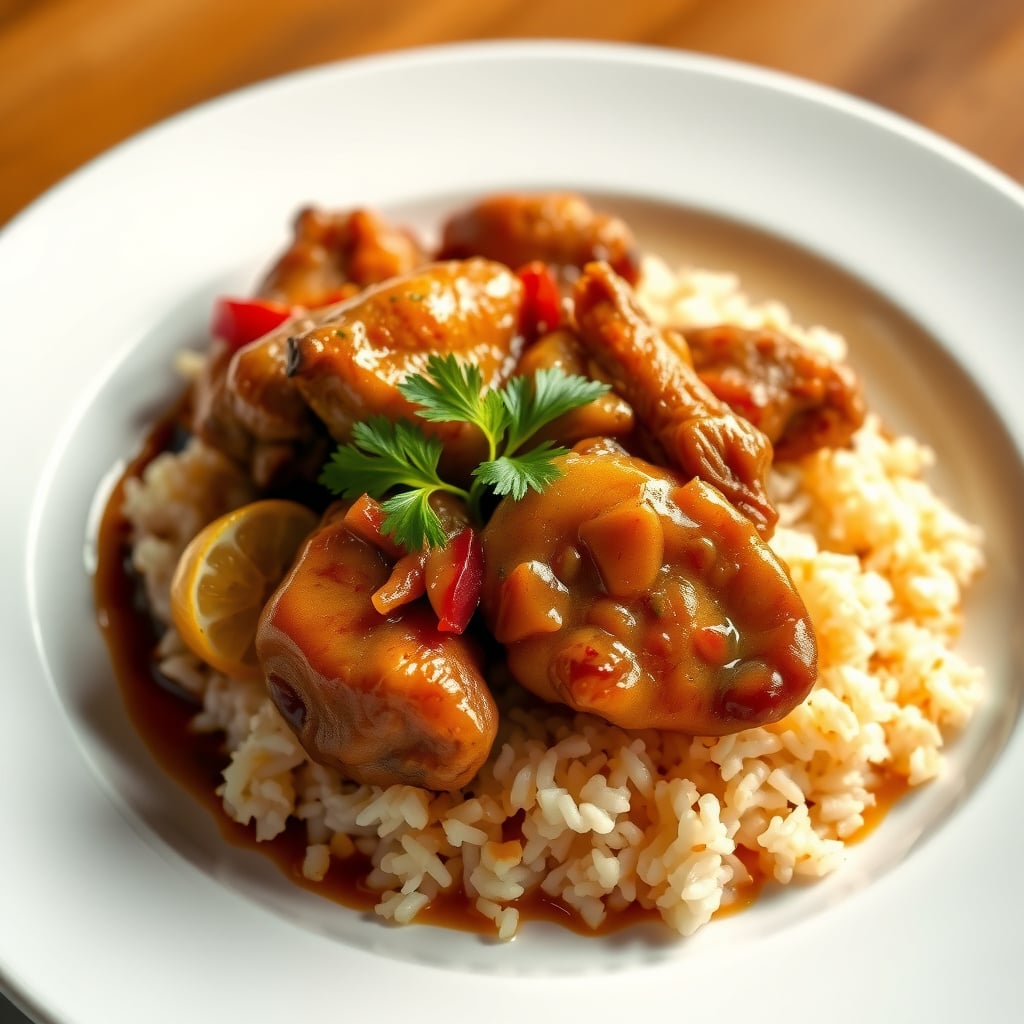
Classic Chicken Adobo with Garlic Rice
60min
4
View Full Recipe →
Ready to simplify your meal planning?
Let OttoChef AI create personalized meal plans for your family in seconds.