
Fermented Foods: Ancient Preservation Meets Modern Gut Health
Discover how fermentation transforms food while boosting nutrition. Learn the science behind kimchi, sauerkraut, and yogurt, plus tips to start fermenting at home.
Marcus Rivera
Culinary Editor
March 29, 2026
8 min read
7 views
Your ancestors were fermenting food long before anyone understood gut microbiomes or probiotics. They were simply trying to preserve their harvest and stumbled upon something remarkable: foods that not only lasted through winter but tasted better and made them feel better too.
Today, we're rediscovering what cultures worldwide have known for millennia—fermentation isn't just preservation, it's transformation. The same biological process that gives sourdough its tang, kimchi its complexity, and kombucha its fizz also creates beneficial bacteria that support digestive health, enhance nutrient absorption, and may even influence mood and immunity.
The Science Behind the Bubbles
Fermentation occurs when microorganisms—primarily bacteria and yeasts—consume sugars in food and produce acids, gases, or alcohol as byproducts. This metabolic process creates an acidic environment that preserves food while developing complex flavors impossible to achieve through any other cooking method.
Lactic acid fermentation, the type responsible for most fermented vegetables and dairy products, relies on Lactobacillus bacteria. These beneficial microbes convert lactose and other sugars into lactic acid, which gives fermented foods their characteristic tang while creating an inhospitable environment for harmful bacteria.
The Probiotic Advantage
Not all fermented foods contain live probiotics. Heat-treated products like most commercial pickles and canned sauerkraut have been pasteurized, killing the beneficial bacteria. Look for refrigerated, unpasteurized versions or make your own to maximize probiotic benefits.
The transformation goes beyond preservation. Fermentation actually increases nutrient bioavailability—the degree to which your body can absorb and use nutrients. The bacteria pre-digest complex compounds, breaking down antinutrients like phytic acid that can interfere with mineral absorption. This is why fermented dairy is often tolerable for people with lactose sensitivity: the bacteria have already done much of the digestive work.
A Global Tradition
Every food culture developed fermentation techniques suited to their climate, ingredients, and tastes. Korean kimchi relies on napa cabbage and gochugaru (Korean red pepper flakes), fermented with fish sauce or salted shrimp for umami depth. German sauerkraut takes a minimalist approach—just cabbage and salt, allowing the vegetable's natural sweetness to shine through the sour notes.
Japanese miso transforms soybeans through a double fermentation: first with koji (a beneficial mold), then with salt and time—sometimes years. Indian curd (dahi) and Ethiopian injera both harness wild yeasts and bacteria, creating staples that anchor entire cuisines. The diversity reveals an important truth: successful fermentation adapts to local ingredients and conditions.
"Fermentation is a conversation between humans and microbes, where patience and attention yield flavors that no recipe alone can create."
Sandor Katz, fermentation revivalistThe Gut-Brain Connection
Recent research illuminates why fermented foods have been valued beyond their practical preservation benefits. Your gut microbiome—the trillions of bacteria residing in your digestive tract—influences far more than digestion. These microorganisms produce neurotransmitters, regulate inflammation, train your immune system, and communicate directly with your brain through the gut-brain axis.
Regular consumption of fermented foods introduces beneficial bacteria that can diversify your gut microbiome. Studies suggest this diversity correlates with better metabolic health, improved mood, and stronger immune function. A 2021 Stanford study found that a diet rich in fermented foods decreased inflammatory markers and increased microbiome diversity more effectively than a high-fiber diet alone.
Start Slowly
If you're new to fermented foods, introduce them gradually. A sudden influx of probiotics can cause temporary digestive discomfort as your system adjusts. Begin with a tablespoon of sauerkraut or a few ounces of kefir, increasing slowly over weeks.
The benefits extend to specific nutrients. Fermentation increases B vitamins, particularly B12 in tempeh and certain fermented vegetables. Vitamin K2, crucial for bone and cardiovascular health, is produced during the fermentation of natto and some cheeses. Fermented foods also enhance the bioavailability of iron, zinc, and magnesium—minerals that many people struggle to absorb adequately.
Starting Your Fermentation Journey
Beginning with vegetable fermentation offers the most forgiving entry point. The process requires minimal equipment and relies on simple principles that are difficult to mess up if you follow basic guidelines.
The foundation is salt concentration. A 2-3% salt brine (by weight) creates the ideal environment for beneficial lactobacilli while inhibiting harmful bacteria. Too little salt risks spoilage; too much slows fermentation to a crawl. For beginners, a ratio of 1 tablespoon of salt per pound of vegetables provides a safe starting point.
Prepare Your Vegetables
Chop, shred, or leave whole depending on the vegetable. Cabbage works beautifully shredded, while cucumbers and green beans can remain whole. Pound or massage vegetables with salt to release liquid—this becomes your brine.
Pack and Submerge
Pack vegetables tightly into a clean jar, pressing down to remove air pockets. Vegetables must remain submerged below the brine to prevent mold. Use a weight—a small jar, a clean stone, or specialized fermentation weights.
Create the Right Environment
Cover loosely to allow gases to escape while preventing debris from entering. Store at room temperature (65-75°F is ideal) away from direct sunlight. Cooler temperatures slow fermentation; warmer speeds it up.
Taste and Monitor
Begin tasting after 3-5 days. Fermentation is complete when the flavor pleases you—some prefer a light tang after a week, others want aggressive sourness after a month. Once satisfied, refrigerate to dramatically slow fermentation.
Trust Your Senses
Healthy fermentation smells sour and tangy, sometimes funky but not rotten. Visible mold on the surface should be white or pale (kahm yeast, harmless if skimmed off). Dark or fuzzy mold, or truly putrid smells, indicate spoilage—discard and start fresh.
Beyond Vegetables
Dairy fermentation offers another accessible starting point, especially if you consume animal products. Making yogurt at home requires only milk and a small amount of existing yogurt as a starter culture. Heat milk to 180°F to denature proteins (creating a thicker texture), cool to 110°F, stir in your starter, then maintain warmth for 6-12 hours. The longer the fermentation, the tangier and thicker the result.
Kefir takes even less effort. Add kefir grains (symbiotic colonies of bacteria and yeast) to milk, cover, and leave at room temperature for 24 hours. Strain out the grains, and you have a drinkable probiotic beverage. The grains can be reused indefinitely, making kefir one of the most sustainable fermented foods to produce at home.
For those avoiding dairy, water kefir and kombucha offer similar benefits using sugar water or sweetened tea as the fermentation medium. Both create fizzy, slightly tart beverages that can be flavored with fruit, herbs, or spices during a second fermentation.
Temperature Matters
Most fermentation thrives between 65-75°F. In winter, place jars near (not on) a radiator or use a seedling heat mat. In summer, a cool basement or air-conditioned room prevents over-fermentation. Consistent temperature produces more predictable results.
Incorporating Fermented Foods Daily
The key to reaping benefits is consistency, not quantity. A few forkfuls of sauerkraut with lunch, a cup of kefir at breakfast, or a spoonful of kimchi alongside dinner provides regular probiotic exposure without overwhelming your palate or your system.
Think of fermented foods as condiments rather than main dishes. Their intense flavors work best as accents—sauerkraut on a sandwich, pickled vegetables in a grain bowl, miso whisked into salad dressing, or yogurt dolloped onto roasted vegetables. This approach makes them sustainable additions to your diet rather than trendy experiments that fade after initial enthusiasm.
The flavor dimension matters as much as the health benefits. Fermentation develops umami, sourness, and complexity that brighten dishes and reduce the need for excessive salt or fat. A spoonful of kimchi transforms plain rice into something crave-worthy. Miso adds depth to broths without hours of simmering bones. Preserved lemons bring brightness to tagines and roasted meats.
Common Concerns Addressed
Many home cooks hesitate to ferment, worried about safety. The reality is that fermentation is remarkably safe when basic principles are followed. The acidic environment created by beneficial bacteria actively prevents pathogenic bacteria from thriving. Botulism, often cited as a concern, cannot develop in the acidic conditions of properly fermented foods.
Surface mold occasionally appears, especially in warm weather or when vegetables aren't fully submerged. White kahm yeast is harmless—simply skim it off and ensure vegetables stay below the brine. If you see black, pink, or fuzzy mold, or detect truly foul odors, something has gone wrong. Discard that batch and troubleshoot: Was the salt concentration too low? Were vegetables exposed to air? Was equipment not properly cleaned?
Alcohol Content
Some fermented foods, particularly kombucha and water kefir, produce trace amounts of alcohol as yeasts convert sugars. Typically this is less than 0.5%, far below alcoholic beverages, but those avoiding alcohol entirely should be aware.
The Patience Principle
Perhaps the greatest lesson fermentation teaches is patience. You cannot rush the process without compromising results. The bacteria work on their own timeline, influenced by temperature, salt concentration, and the vegetables themselves. Some batches ferment quickly, others slowly. Each has its own character.
This patience extends to experiencing benefits. While some people notice improved digestion within days, meaningful changes to your microbiome take weeks or months of consistent consumption. Fermentation isn't a quick fix but a sustainable practice that rewards regular attention with both culinary and health dividends.
Start simple—one jar of sauerkraut, one batch of yogurt. Observe the transformation. Taste the progression from fresh to fermented. Notice how your body responds. Then expand your repertoire, experimenting with different vegetables, spices, and fermentation times. You're joining a tradition that stretches back thousands of years, one that transformed human nutrition and continues to offer benefits our ancestors could never have named but certainly experienced.
The jars bubbling on your counter aren't just food preservation—they're an ongoing dialogue between you and billions of microorganisms, creating flavors and nutrients that cooking alone could never achieve.
Try This Recipe
Now that you've learned about fermented foods: gut health and flavor, put your knowledge into practice with this recipe:
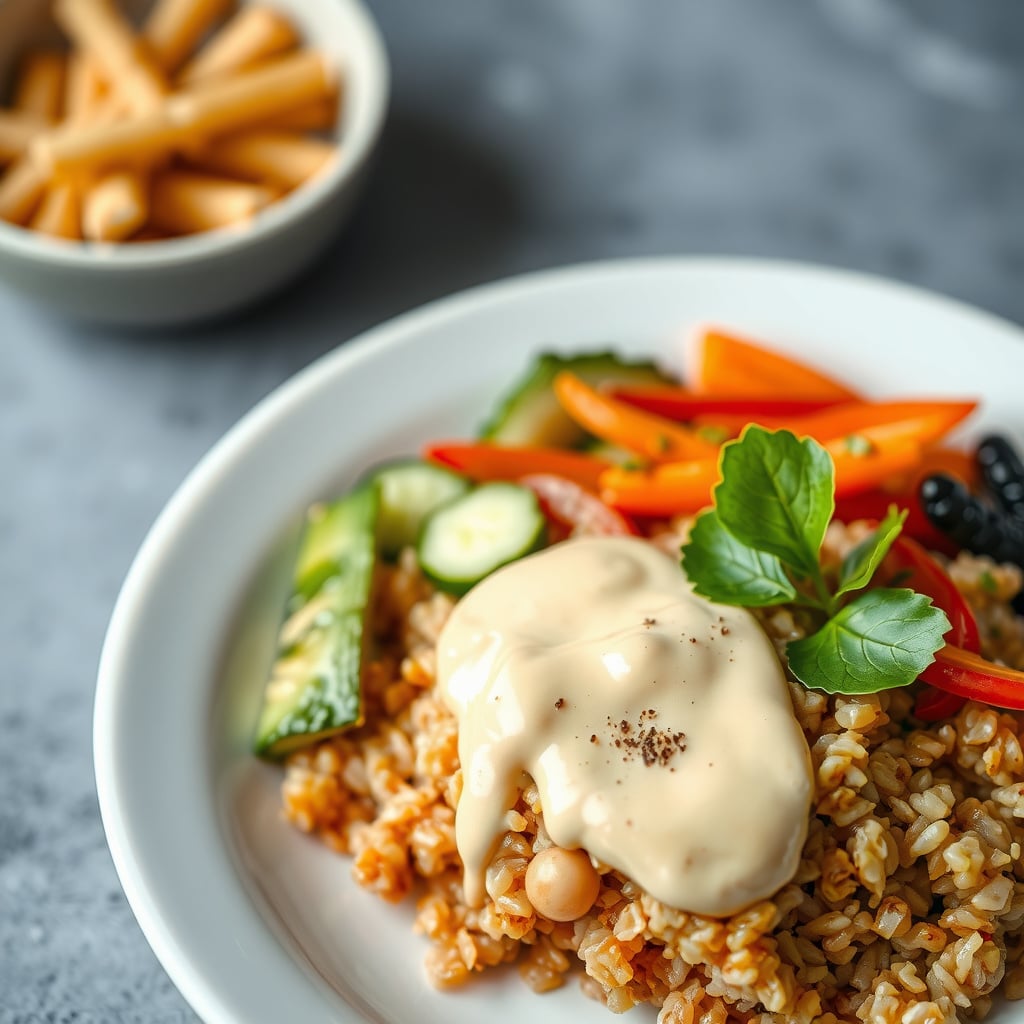
Probiotic Power Bowl with Miso-Ginger Dressing and Quick-Pickled Vegetables
45min
4
View Full Recipe →
Ready to simplify your meal planning?
Let OttoChef AI create personalized meal plans for your family in seconds.