
Elevate Budget Legumes with Ethiopian Niter Kibbeh
Learn how to transform budget-friendly lentils and chickpeas using Niter Kibbeh, a traditional Ethiopian spiced clarified butter rich in aromatic depth.
Alex Thompson
Food Editor
August 13, 2026
6 min read
1 view
Legumes are the unsung heroes of the budget pantry. Dried lentils, split peas, and chickpeas cost pennies per serving, pack a massive nutritional punch, and store indefinitely. Yet, many home cooks relegate them to bland soups or uninspiring side dishes. The secret to elevating these affordable proteins lies not in expensive ingredients, but in mastering the art of fat-soluble flavor extraction. Enter niter kibbeh, a traditional Ethiopian spiced clarified butter that can single-handedly transform humble legumes into deeply aromatic culinary masterpieces.
By learning how to clarify butter and infuse it with a precise blend of spices, you gain access to a powerful culinary tool. A single spoonful of this golden elixir can turn a simple pot of red lentils into a dish reminiscent of the finest Ethiopian misir wot.
The Science of Fat and Spice
To understand why niter kibbeh works so well with legumes, we must look at the science of flavor. Spices contain two types of flavor compounds: water-soluble and fat-soluble. While boiling lentils in water extracts some herbal and earthy notes, many of the most complex, warming compounds in spices like fenugreek, cardamom, and clove are hydrophobic—meaning they dissolve only in fat.
Clarified butter, or ghee, is the perfect vessel for these compounds. By removing the water and milk solids from butter, you are left with pure butterfat that can be heated to higher temperatures without burning. As the spices simmer gently in this fat, their essential oils dissolve into the butter, creating a stable, intensely aromatic medium that coats each legume, carrying flavor directly to your palate.
The Role of Fasting in Ethiopian Cuisine
In Ethiopia, the Orthodox Christian church observes numerous fasting days throughout the year, during which no animal products are consumed. This has led to a highly sophisticated vegetarian cuisine centered around legumes like lentils (*misir*), yellow split peas (*kik*), and chickpeas (*shimbira*). While niter kibbeh is used to enrich dishes during non-fasting periods, vegan spiced oils are utilized during fasts, showcasing the culture's mastery of fat-based flavor delivery.
How to Make Traditional Niter Kibbeh
Making this spiced butter at home is an excellent exercise in temperature control. The process requires patience, as rushing the heat will burn the milk solids and ruin the delicate aromatics.
Gentle Melting and Simmering
Melt one pound of unsalted butter in a heavy-bottomed saucepan over low heat. Once melted, bring it to a very gentle simmer. You will see a white foam rise to the top; this is the water evaporating and the proteins coagulating.
The Aromatic Infusion
Add your aromatics. Traditionally, this includes minced garlic, fresh ginger, shallots, fenugreek seeds, black cardamom, cinnamon, cloves, nutmeg, and turmeric. If available, add traditional herbs like koseret and besobela. Simmer on the lowest possible heat for 45 to 60 minutes. The butter will turn a clear, golden-yellow as the milk solids sink to the bottom.
Straining and Preserving
Line a fine-mesh strainer with several layers of cheesecloth. Carefully pour the warm butter through the cloth into a clean glass jar, leaving the darkened milk solids and whole spices behind in the pan. Let it cool completely before sealing.
Do Not Burn the Solids
Keep the heat as low as possible during the clarification process. If the milk solids at the bottom of the pan turn dark brown or black, they will impart a bitter, burnt flavor to your entire batch of butter. Aim for a pale, sandy-gold color at the bottom of the pot.
“In Ethiopian cuisine, niter kibbeh is not merely an ingredient; it is the very soul of the dish, turning the simplest lentils into a feast.”
Chef Yohanis GebreyesusSourcing and Substituting Ingredients
To capture the authentic profile of Ethiopian cookery, sourcing specific spices is key. However, culinary education is also about adaptability. If you cannot access an Ethiopian market, you can still create a deeply complex spiced butter using widely available alternatives.
- Fenugreek (Abish): This is non-negotiable for niter kibbeh. It provides a sweet, slightly bitter, maple-like aroma that defines the butter's character.
- Black Cardamom (Korerima): Unlike green cardamom, which is herbal and sweet, black cardamom is smoky, earthy, and resinous. If you cannot find it, a mix of green cardamom and a tiny pinch of smoked paprika can mimic its depth.
- Koseret and Besobela: Koseret is an herb with a minty, citrusy profile, while besobela is Ethiopian sacred basil. You can substitute dried oregano and Thai basil to achieve a similar herbal complexity.
Sourcing Authentic Spices
If you have an Ethiopian grocery store in your area, visit it to buy whole korerima, koseret, and besobela. Not only will you get the most authentic flavor, but buying whole spices from specialty markets is often far cheaper than buying pre-ground spices from supermarket jars.
Applying the Technique to Budget Legumes
Once you have prepared your niter kibbeh, it acts as a flavor concentrate in your kitchen. Here is how to apply it to everyday legume cooking for maximum impact.
1. The Blooming Technique
Before adding any liquid to your pot, melt two tablespoons of niter kibbeh over medium heat. Add your chopped onions and sauté them slowly. The heat of the fat will re-activate the spices locked in the butter, while the onions caramelize and absorb those flavors. This creates a deeply savory foundation for your lentils or beans.
2. The Finishing Touch
To preserve the volatile, delicate top-notes of the spices, add a cold tablespoon of niter kibbeh to your pot of legumes right after you turn off the heat. Stir it in gently until it melts. This technique, similar to the French monter au beurre, creates a glossy, emulsified sauce that coats each lentil with a fresh burst of aroma.
3. Texture and Salt
Legumes need salt to taste their best, but timing is crucial. Salt your legumes halfway through cooking. Salting too early can sometimes toughen the skins of certain beans, while salting too late prevents the interior of the legume from being seasoned. Once your legumes are perfectly tender and seasoned, the spiced butter will highlight their natural, nutty sweetness.
By mastering the simple art of clarifying and infusing butter, you can elevate the humblest ingredients in your pantry. Niter kibbeh proves that budget cooking does not have to mean sacrificing flavor; with the right technique, a bag of dried lentils can become the most exciting meal of your week.
Try This Recipe
Now that you've learned about elevating budget-friendly legumes with traditional ethiopian niter kibbeh spiced butter, put your knowledge into practice with this recipe:
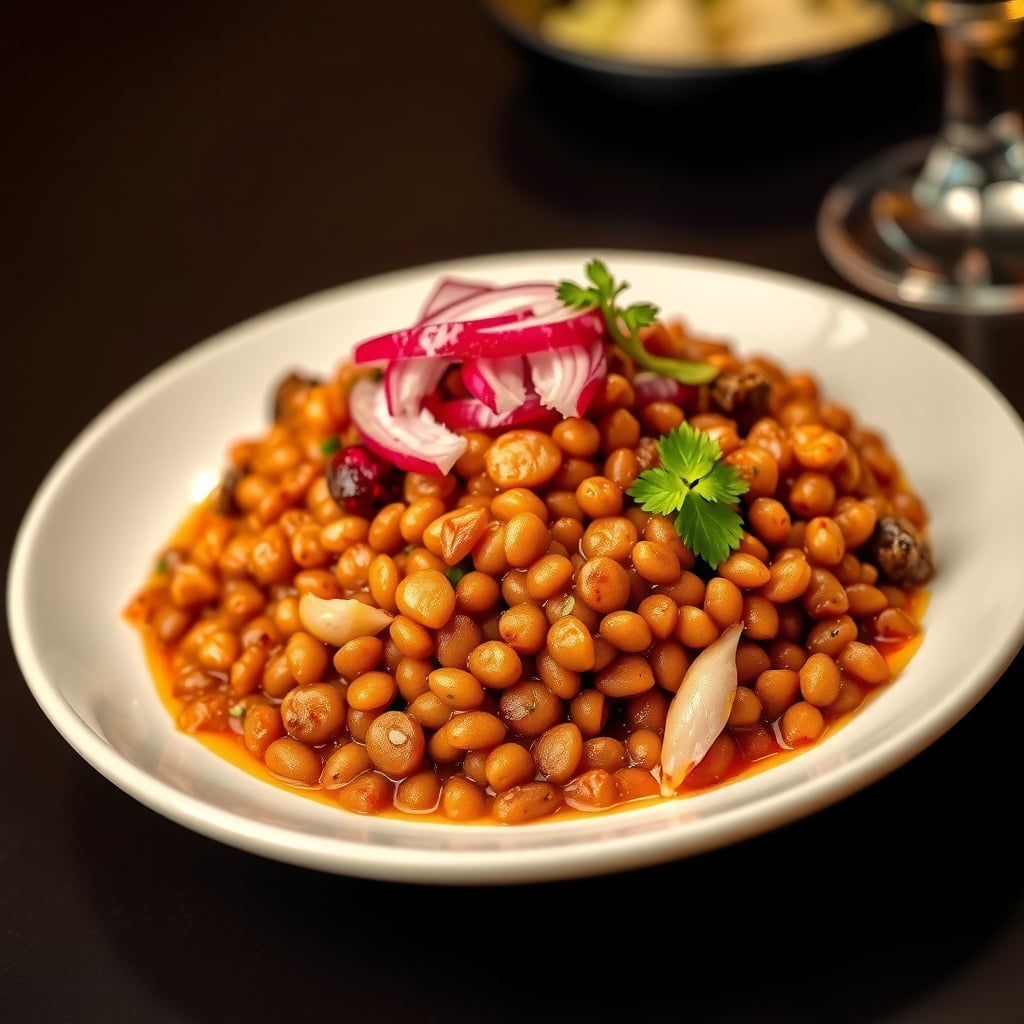
Spiced Ethiopian Red Lentils (Misir Wot)
60min
4
View Full Recipe →
Ready to simplify your meal planning?
Let OttoChef AI create personalized meal plans for your family — free to use, no credit card.