
Don't Waste the Bloom: How to Turn Spent Hibiscus into Tacos
Learn how to repurpose spent hibiscus flowers from your agua de jamaica into a smoky, budget-friendly plant-based taco filling with this zero-waste guide.
Marcus Rivera
Culinary Editor
September 10, 2026
4 min read
4 views
Imagine finishing a batch of tart, refreshing agua de jamaica (hibiscus iced tea). You are left with a strainer full of deep red, plump, rehydrated hibiscus flowers. For many home cooks, these spent calyces go straight into the compost bin. However, this fibrous ingredient is actually a culinary powerhouse waiting to be unlocked.
In Mexican home kitchens, minimizing waste is an art form. Repurposing these spent flowers—known as flor de jamaica—into a savory, smoky taco filling is a classic example of resourcefulness turning humble ingredients into an extraordinary meal. Not only is it an incredibly budget-friendly alternative to meat, but it also offers a unique, chewy texture similar to pulled pork or shredded beef.
What is Jamaica?
Known botanically as Hibiscus sabdariffa, the dried calyces of this hibiscus species are used worldwide for teas, syrups, and infusions. In Mexico, they are the star of the classic agua fresca, Agua de Jamaica, celebrated for its cranberry-like tartness and vibrant ruby hue.
Understanding the Ingredient: Texture and Acid
To successfully cook with spent hibiscus, you must first understand its structural and chemical makeup. Hibiscus calyces are highly fibrous and naturally acidic. When you steep them to make tea, you extract a significant amount of their water-soluble acids, but plenty of tartness remains in the flower itself.
Raw or simply boiled hibiscus can be tough and aggressively sour. To transform it into a satisfying taco filling, your culinary goal is twofold: break down the tough fibers to create a tender texture, and balance the residual acidity with fat, salt, and sweet or smoky flavor profiles.
The Acidity Factor
If you skip rinsing and squeezing your spent flowers, your taco filling will taste intensely sour. Rinsing dilutes the concentrated hibiscus acid, leaving a mild, pleasant tang that beautifully complements savory spices.
The Technique: Preparing Spent Hibiscus
Transforming spent flowers into a taco filling requires a few simple steps to optimize their texture and prepare them to absorb new flavors.
Rinse and Squeeze
Place your spent hibiscus flowers in a colander and rinse them thoroughly under cold running water. Using your hands or a clean kitchen towel, squeeze as much excess moisture out of the flowers as possible. Removing this water is crucial for getting a good sear in the pan.
Rough Chop
Transfer the squeezed flowers to a cutting board and give them a rough chop. Hibiscus calyces have long, stringy fibers. Chopping them into bite-sized pieces shortens these fibers, yielding a tender, easy-to-chew texture when cooked.
The Searing Step
Heat a generous amount of oil in a skillet over medium-high heat. Add the chopped flowers and sauté them until the edges begin to crisp and brown. Searing evaporates any remaining internal moisture and coaxes out deep, savory caramelized notes.
“In traditional Mexican cooking, resourcefulness isn't just about saving money; it's about unlocking layers of flavor and texture from ingredients others might discard.”
Chef Elena GuerreroBalancing Flavors: Building the Smoky Profile
Because hibiscus is naturally tart and contains zero fat, it acts as a blank canvas that requires bold partners to achieve balance.
To counter the remaining acidity, start with a sweet base. Sautéing a generous amount of sliced white or yellow onions until they are deeply caramelized provides a natural sweetness that tames the hibiscus's sharp edges. Garlic adds essential savory depth.
Next, introduce smoky and earthy elements. Dried Mexican oregano, ground cumin, and chipotle peppers in adobo sauce are exceptional pairings. The smoky heat of chipotle cuts through the floral notes of the hibiscus, mimicking the profile of traditional tinga or barbacoa.
Build with Fat
Because hibiscus flowers contain no natural fats, they can dry out quickly in a hot pan. Do not be shy with your cooking oil during the sauté phase. When serving, top your finished tacos with rich elements like sliced avocado, Mexican crema, or crumbled cotija cheese to create a balanced mouthfeel.
Serving and Storing Your Filling
Once your hibiscus filling is caramelized, smoky, and tender, scoop it into warm corn tortillas. A simple garnish of finely chopped white onion, fresh cilantro, and a squeeze of lime juice is all you need to let the unique flavor of the jamaica shine.
If you have leftovers, this filling stores beautifully. Keep it in an airtight container in the refrigerator for up to five days. As it sits, the flavors will continue to meld and deepen, making day-two tacos even more flavorful than the first. You can also use this filling as a topping for tostadas, a stuffing for quesadillas, or a smoky addition to grain bowls.
By mastering this zero-waste technique, you not only stretch your grocery budget but also expand your culinary repertoire with a vibrant, sustainable ingredient that is as delicious as it is resourceful.
Try This Recipe
Now that you've learned about repurposing spent hibiscus flowers for smoky, budget-friendly tacos de jamaica, put your knowledge into practice with this recipe:
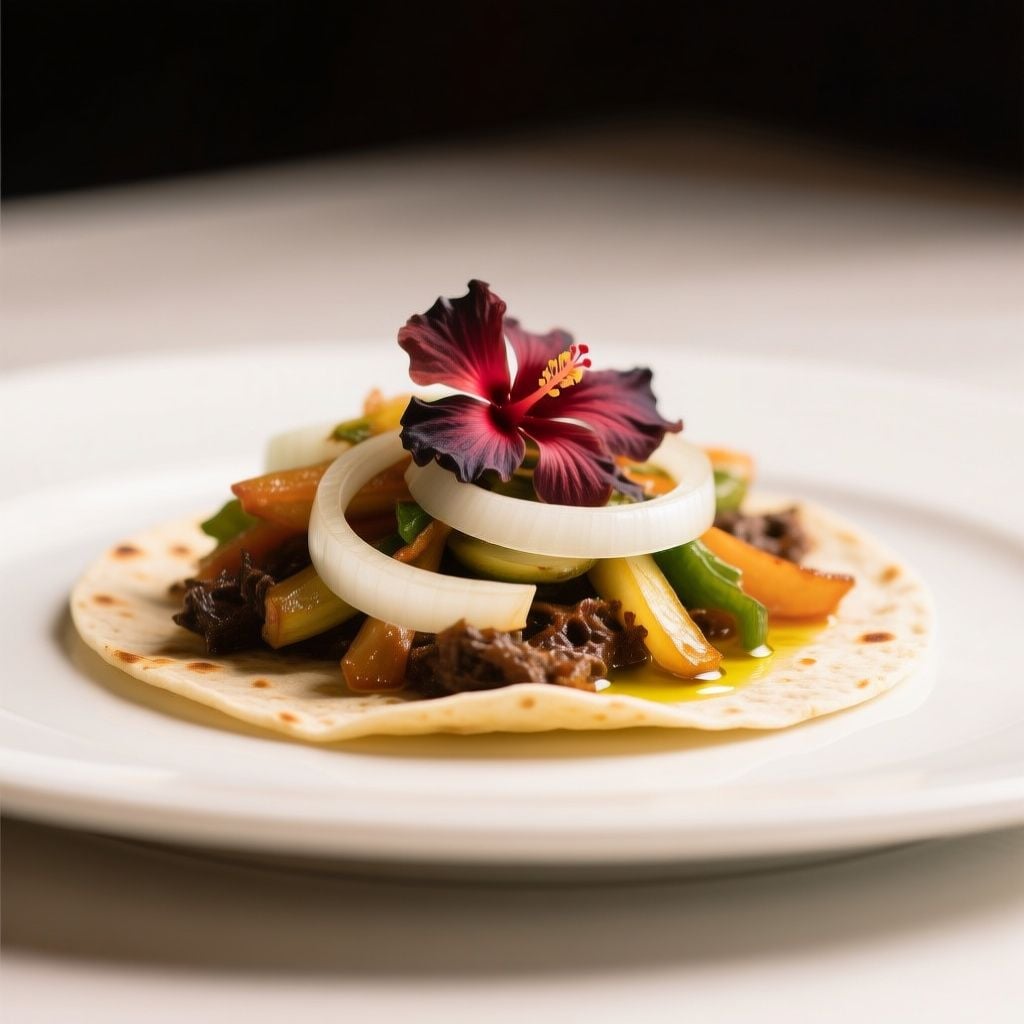
Smoky Tacos de Jamaica
40min
4
View Full Recipe →
Ready to simplify your meal planning?
Let OttoChef AI create personalized meal plans for your family — free to use, no credit card.