
DIY Spice Blends: Your Secret Weapon for Faster Weeknight Cooking
Learn how to create custom spice blends that cut cooking time in half. Master the ratios, storage tips, and techniques that transform meal prep forever.
Daniel Park
Culinary Contributor
April 10, 2026
7 min read
17 views
You're staring at a recipe that calls for cumin, coriander, paprika, garlic powder, and cayenne—all measured separately. By the time you've opened five jars and measured everything out, you've lost ten minutes and your cutting board is covered in spice dust. There's a better way.
Pre-mixed spice blends aren't just convenient; they're transformative for home cooks who want to eat well without spending hours in the kitchen. When you create your own blends, you control the quality, customize the flavors to your preferences, and turn a ten-step seasoning process into a single scoop. More importantly, you develop an intuitive understanding of flavor building that makes you a better cook.
The Economics and Quality Advantage
Store-bought spice blends often contain fillers, anti-caking agents, and excess salt to extend shelf life and reduce costs. When you make your own, you're working with pure spices at their peak freshness. A jar of garam masala at the grocery store might cost $8 for two ounces, while making your own from whole spices costs roughly $4 for four ounces—and tastes exponentially better.
Buying Spices Smartly
Purchase whole spices from stores with high turnover, like Indian, Middle Eastern, or Latin markets. They're often fresher and cost 50-70% less than supermarket options. Buy small quantities—spices lose potency after six months.
The freshness factor matters enormously. Pre-ground spices from the supermarket may have been sitting for months or years, losing their volatile oils and aromatic compounds. When you toast and grind whole spices yourself, you're capturing flavors at their most vibrant. The difference between fresh-ground cumin and year-old powder is the difference between a dish that sings and one that whispers.
Understanding Blend Architecture
Successful spice blends follow a structure, much like a well-composed dish. Think of them in three layers:
Base notes provide depth and earthiness: cumin, coriander, turmeric, paprika. These form 50-60% of most blends.
Middle notes add complexity: fennel, cardamom, cinnamon, dried herbs. These comprise 20-30% of the blend.
Top notes bring brightness and heat: black pepper, cayenne, dried citrus peel, ginger. These accent notes make up 10-20%.
This architecture ensures balanced flavor rather than a muddy jumble. When you understand this framework, you can improvise and adjust blends to match your preferences or what you have on hand.
The Toasting Difference
Toasting whole spices in a dry pan for 2-3 minutes before grinding releases aromatic oils and deepens flavors dramatically. You'll know they're ready when you can smell them and they've darkened slightly. Let them cool completely before grinding to preserve those oils.
Five Essential Blends That Cover Most Cuisines
You don't need twenty jars cluttering your cabinet. Five well-designed blends can handle everything from taco night to curry to roasted vegetables.
Everyday All-Purpose Blend
Combine 3 tablespoons paprika, 2 tablespoons garlic powder, 1 tablespoon each of onion powder and black pepper, 2 teaspoons each of dried oregano and dried thyme, 1 teaspoon cayenne. This works on chicken, pork, vegetables, and in soups.
Warming Spice Blend
Mix 2 tablespoons cinnamon, 1 tablespoon each of ginger and coriander, 2 teaspoons each of cardamom and allspice, 1 teaspoon each of black pepper and nutmeg. Use this for Middle Eastern dishes, roasted squash, or even in coffee.
Mediterranean Herb Blend
Combine 3 tablespoons dried oregano, 2 tablespoons each of dried basil and dried thyme, 1 tablespoon each of dried rosemary (crushed) and garlic powder, 2 teaspoons each of onion powder and black pepper, 1 teaspoon red pepper flakes. Perfect for Italian and Greek cooking.
Smoky Heat Blend
Mix 3 tablespoons smoked paprika, 2 tablespoons cumin, 1 tablespoon each of chipotle powder and garlic powder, 2 teaspoons each of oregano and black pepper, 1 teaspoon cayenne. This handles Mexican, Southwestern, and BBQ applications.
Aromatic Curry Blend
Combine 2 tablespoons each of coriander and cumin, 1 tablespoon turmeric, 2 teaspoons each of ginger and garlic powder, 1 teaspoon each of cardamom, cinnamon, black pepper, and fenugreek, ½ teaspoon cayenne. Toast whole spices first, then grind for maximum impact.
"The key to faster cooking isn't cutting corners—it's doing the smart work once so you can cook intuitively every night."
Professional Meal Prep PhilosophyStorage and Shelf Life Strategies
Even the best blend loses its soul if stored improperly. Light, heat, and air are the enemies of spice potency. Store your blends in airtight glass jars away from the stove and out of direct sunlight. A drawer or cabinet away from heat sources is ideal.
Label everything with the date you made it. Ground spice blends maintain peak flavor for about three months, though they remain usable for six. If you can't smell the blend through the closed jar when you shake it, it's time to make a fresh batch.
The Salt Debate
Many cooks debate whether to include salt in spice blends. The advantage: true one-step seasoning. The disadvantage: less control over sodium levels, and salt can draw moisture from other spices, shortening shelf life. Consider making two versions of your favorite blends—one with salt for quick weeknight cooking, one without for more controlled applications.
For maximum freshness, make smaller batches more frequently rather than large quantities that sit for months. A quarter-cup of each blend typically lasts a month of regular cooking for most households.
Practical Application Techniques
Knowing how much to use takes practice, but here's a starting framework: for proteins, use about 1 teaspoon of blend per pound of meat or fish. For vegetables, start with ½ teaspoon per pound and adjust. For soups and stews serving 4-6 people, begin with 1-2 tablespoons.
The timing of when you add your blend matters enormously. For maximum flavor development, add blends early when sautéing aromatics—this blooms the spices in fat, distributing flavor throughout the dish. For brighter, more pronounced spice notes, add half early and half near the end of cooking.
Blooming Technique
When starting a dish with oil or butter, add your spice blend to the fat before adding other ingredients. Cook for 30-60 seconds until fragrant but not burning. This process, called blooming, releases fat-soluble flavor compounds and integrates the spices into your dish's foundation.
For dry applications like roasted vegetables or proteins, mix your spice blend with a small amount of oil to create a paste before coating your ingredients. This ensures even distribution and helps the spices adhere rather than falling off during cooking.
Customization and Experimentation
Once you've mastered basic blends, start tweaking them to match your palate. Prefer less heat? Reduce or eliminate cayenne. Want more depth? Add a teaspoon of ground coffee or cocoa powder to your smoky blend. Love citrus? Grind dried lemon or orange peel into your Mediterranean mix.
Keep notes on what works. When a blend knocks a dish out of the park, write down the ratios. When something falls flat, note what was missing. Over time, you'll develop signature blends that become your cooking identity.
The real power of custom spice blends isn't just speed—though saving 10 minutes per meal adds up to hours per week. It's the confidence that comes from having your flavor arsenal ready to deploy. When you know you can grab a jar and transform plain chicken, rice, or vegetables into something crave-worthy, weeknight cooking stops feeling like a chore and starts feeling like creative expression.
Start with one blend this week. Make it, use it three times in different applications, and notice how your cooking rhythm changes. That's when you'll understand why professional cooks and efficient home cooks alike swear by this approach. Your future self, facing down a Wednesday evening with hungry people to feed, will thank you.
Try This Recipe
Now that you've learned about making your own spice blends for faster cooking, put your knowledge into practice with this recipe:
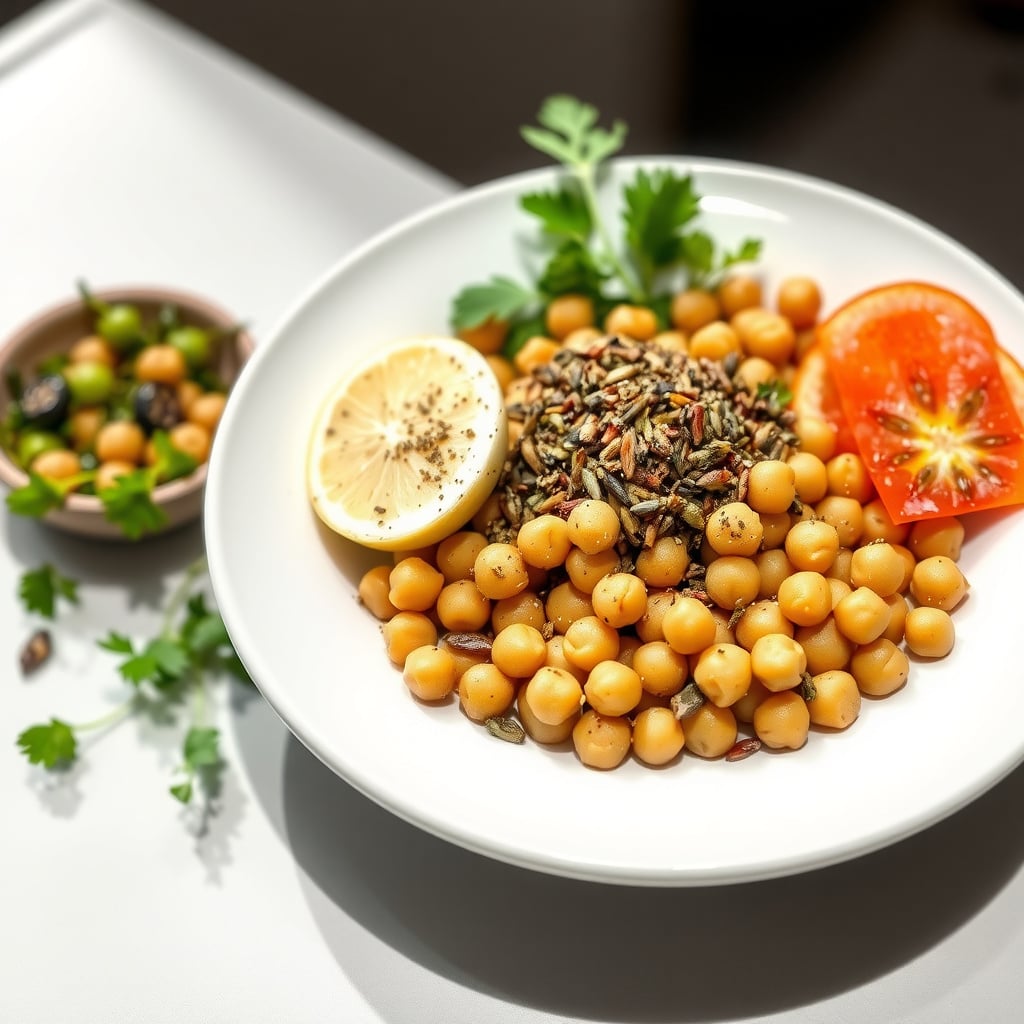
Mediterranean Chickpea Bowl with Homemade Za'atar Blend
40min
4
View Full Recipe →
Ready to simplify your meal planning?
Let OttoChef AI create personalized meal plans for your family in seconds.