
Demystifying Okra: How to Master Mucilage and Soluble Fiber
Learn the science of okra mucilage. Master culinary techniques to control the slime factor and harness the nutritional benefits of this fiber-rich vegetable.
Sarah Mitchell
Test Kitchen Director
August 16, 2026
4 min read
1 view
Many home cooks steer clear of okra due to its reputation for slipperiness. That viscous texture, known scientifically as mucilage, often deters people from incorporating this nutrient-dense vegetable into their weekly meals. However, that exact same slippery substance is actually a nutritional powerhouse. It is packed with soluble fiber, which supports heart health, stabilizes blood sugar, and aids digestion.
By understanding the food science behind mucilage, you can learn to control, reduce, or even embrace this unique culinary characteristic. You do not need to avoid okra; you simply need to know how to manage its moisture and chemistry in the kitchen.
The Science of Mucilage and Soluble Fiber
Mucilage is a thick, gelatinous substance produced by nearly all plants, but it is highly concentrated in okra pods, aloe vera, and flaxseeds. In okra, this substance consists of polar glycoproteins and exopolysaccharides. Its biological purpose is to help the plant store water and protect its seeds.
What is Mucilage?
Mucilage is a completely natural, edible mixture of protein and complex carbohydrates. In our digestive tract, it acts as a soluble fiber, binding to cholesterol and helping to sweep it out of the body while slowing glucose absorption.
When these carbohydrate chains come into contact with water, they hydrate and expand, creating the familiar slippery texture. The more you slice the okra and the more water you introduce, the more of this soluble fiber is released into your pan.
Culinary Techniques to Minimize Mucilage
If your goal is a dry, crisp texture—such as in a stir-fry, roast, or sauté—your primary objective is to limit the activation of these soluble fibers. Here are the three most effective strategies to keep your okra dry and delicious.
1. Eliminate Moisture
Water is the catalyst for mucilage activation. Any residual washing water left on the pods when you cut them will immediately trigger the release of soluble fiber.
The Water Trap
Never wash okra after cutting it. Always wash the whole pods first, dry them thoroughly with a clean kitchen towel, and let them air dry completely on a cutting board before making your first cut. If the pods are dry when sliced, the mucilage remains contained inside the cells.
2. Introduce Acid
Acidity is a powerful tool in food science. High-acid environments break down the complex carbohydrate chains in the mucilage, preventing them from bonding and stretching into a viscous liquid.
The Acid Trick
Toss sliced okra with a tablespoon of lemon juice, lime juice, or vinegar 15 minutes before cooking. Alternatively, cook okra alongside highly acidic ingredients like tomatoes or tamarind to naturally neutralize the mucilage as it heats.
3. Apply High, Dry Heat
Cooking okra slowly over low heat trap moisture in the pan, creating a steaming effect that coaxes the mucilage out. High, dry heat—such as roasting at 425°F (218°C), grilling, or deep-frying—quickly evaporates the vegetable's internal water before the mucilage can hydrate and spread.
Dry and Prep
Wash whole okra pods, dry them completely with a towel, and let them sit until absolutely dry to the touch. Slice off the stem ends and cut into 1-inch rounds. Keep cuts minimal to reduce cell damage.
Preheat Your Pan
Heat a heavy skillet (cast iron works best) over medium-high heat with a high-smoke-point oil. The pan must be hot enough to sizzle immediately upon contact.
Sauté Without Crowding
Add the okra in a single layer. Crowding the pan traps steam, which triggers the mucilage. Let the okra sear undisturbed for 2 to 3 minutes to develop a brown crust before tossing.
Embracing Mucilage: The Art of the Thickener
While many Western techniques focus on eliminating mucilage, several culinary traditions celebrate this property. In West African soups, Indian bhindi dishes, and Louisiana gumbos, the soluble fiber of okra is utilized as a natural, gluten-free thickening agent.
“When we understand the science of our ingredients, we transition from following recipes to managing textures and flavors with confidence.”
OttoChef Culinary TeamIn Louisiana Creole and Cajun cuisines, okra is simmered slowly in stews, allowing the mucilage to gently thickens the broth to a silky, luxurious consistency. This eliminates the need for heavy starches or excessive flour-based rouxs, showcasing how culinary science can work in harmony with nutrition.
Whether you choose to neutralize it with acid and high heat, or harness its thickening power in a slow-simmered stew, okra is a versatile, nutrient-dense vegetable worthy of a spot in your kitchen rotation. With these techniques in your culinary toolkit, you can confidently cook okra to your exact textural preference.
Try This Recipe
Now that you've learned about demystifying okra mucilage: harnessing soluble fiber without the sliminess, put your knowledge into practice with this recipe:
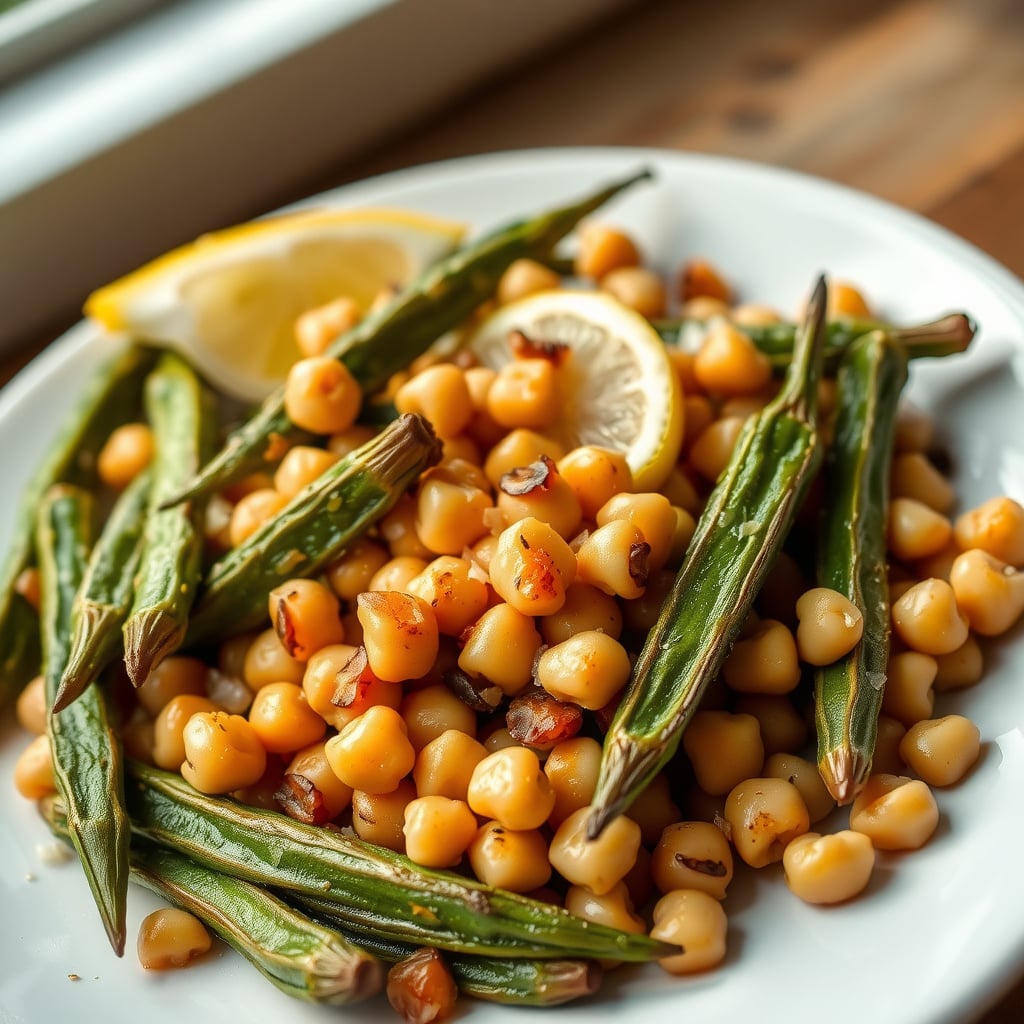
Crispy Roasted Okra and Chickpea Warm Salad
40min
4
View Full Recipe →
Ready to simplify your meal planning?
Let OttoChef AI create personalized meal plans for your family — free to use, no credit card.