
Culinary Infusions: Mimic Wood-Smoked Flavors with Lapsang Souchong
Learn how to use Lapsang Souchong tea to bring rich, authentic wood-smoked flavors into your kitchen without outdoor grills or commercial liquid smoke.
Daniel Park
Culinary Contributor
July 23, 2026
5 min read
9 views
Achieving a deep, authentic wood-smoked flavor usually requires an outdoor setup, hours of patience, and a reliable smoker. For home cooks limited to indoor kitchens, replicating that rich, campfire-adjacent profile can be challenging. While commercial liquid smoke offers a quick fix, it often carries an artificial, chemical aftertaste that overpowers delicate ingredients. Fortunately, a natural, pantry-stable solution exists in the tea aisle: Lapsang Souchong. This traditional Chinese black tea offers an elegant, accessible way to infuse dishes with genuine wood-smoke flavor directly on your stovetop or oven.
The Origins of a Smoky Legend
To use Lapsang Souchong effectively, it helps to understand its origins. Hailing from the Wuyi Mountains of Fujian Province, China, this historic tea undergoes a unique processing method. Unlike standard black teas that are air-dried, Lapsang Souchong leaves are dried over smoking hearths fueled by local pine wood—specifically, resinous wood from Pinus massoniana.
Pine-Smoked Tradition
Lapsang Souchong (Zheng Shan Xiao Zhong) originates from the Wuyi Mountains of Fujian Province, China. Traditionally, the leaves are dried over smoking hearths of local pine wood, which imparts its signature resinous, campfire aroma.
During this drying process, the damp tea leaves absorb the complex volatile compounds of the pine smoke. These compounds, primarily phenols and guaiacols, are the very same molecules responsible for the flavor of wood-smoked barbecue. Because these flavor compounds are chemically bound to the tea leaves, they transfer beautifully into culinary fats, liquids, and dry mixtures.
Three Techniques for Smoky Infusions
There are three primary methods to integrate Lapsang Souchong into your daily cooking: liquid steeping, dry grinding, and fat washing. Each technique serves a different culinary purpose.
1. Liquid Steeping: Stocks, Braises, and Grains
The most straightforward way to use Lapsang Souchong is to brew it directly into cooking liquids. Instead of using plain water or standard stock to cook grains or braise proteins, steep the tea leaves first to create a smoky base. This technique works exceptionally well for cooking black beans, lentils, or wild rice. The smoky liquid mimics the traditional addition of smoked ham hocks or bacon, making it an invaluable tool for vegetarian and vegan cooking.
Bitterness Alert
Like all black teas, Lapsang Souchong contains tannins. Over-steeping the tea in hot liquid (longer than 5 minutes) or using boiling water on delicate dishes can extract bitter notes. Keep your steeping times controlled.
2. Dry Grinding: Spice Rubs and Dusts
For dry applications, you can treat loose Lapsang Souchong leaves as a whole spice. Grinding the leaves into a fine powder allows you to apply smoke directly to the surface of meats, vegetables, and tofu. When exposed to the dry heat of a pan or oven, the ground tea leaves toast slightly, releasing an aroma similar to a wood-fired grill. Mix the ground tea with brown sugar, paprika, garlic powder, and onion powder to create a quick, indoor barbecue rub.
3. Fat Infusion: Smoky Oils and Butters
Flavor compounds in smoke are highly fat-soluble. By infusing Lapsang Souchong into warm butter, olive oil, or coconut oil, you can create a finishing fat that carries a clean, smoky flavor. To do this, gently heat your chosen fat with loose-leaf tea over low heat (about 180°F or 82°C) for 15 to 20 minutes, then strain through a fine-mesh sieve. Use this smoky butter to baste pan-seared steaks, drizzle over roasted root vegetables, or toss with fresh popcorn.
“Lapsang Souchong acts as a liquid smokehouse in your pantry, offering a clean, wood-fired depth without the synthetic aftertaste of commercial liquid smoke.”
Chef Marcus VanceMaster Class: Crafting Smoky Finishing Salt
One of the easiest ways to keep this wood-smoked flavor on hand is by creating a custom finishing salt. This pantry staple can be sprinkled over fried eggs, sliced avocado, grilled vegetables, or fresh caramels. Here is how to create your own batch at home:
Grind the Tea
Using a clean spice grinder or mortar and pestle, pulverize two tablespoons of loose-leaf Lapsang Souchong tea into a fine powder.
Combine with Salt
Mix the ground tea with four tablespoons of flaky sea salt (such as Maldon) or coarse kosher salt. Toss gently to distribute the tea evenly.
Incorporate Aromatics
Add a pinch of garlic powder, cracked black pepper, or dehydrated orange zest to customize your flavor profile.
Store and Cure
Transfer the mixture to an airtight glass jar. Let it sit for 24 to 48 hours before use, allowing the smoky compounds to coat and infuse the salt crystals.
Balancing the Flavor Profile
Because Lapsang Souchong is robust and distinct, it requires balance. Smoke is naturally bitter and heavy, meaning it pairs best with ingredients that provide contrast.
The Sweetness Counterbalance
Smoky flavors pair exceptionally well with sweet and acidic elements. When using Lapsang Souchong in a glaze or marinade, balance the smoky tea with maple syrup, honey, or apple cider vinegar to round out the flavor profile.
When experimenting, start with small amounts. It is always easier to add more smoky depth to a dish than it is to mask an over-infused, overly bitter creation. By understanding how to manipulate this versatile tea, you can elevate your indoor cooking and enjoy the rich complexity of wood smoke all year round.
Try This Recipe
Now that you've learned about culinary infusions: using lapsang souchong tea to mimic wood-smoked flavors indoors, put your knowledge into practice with this recipe:
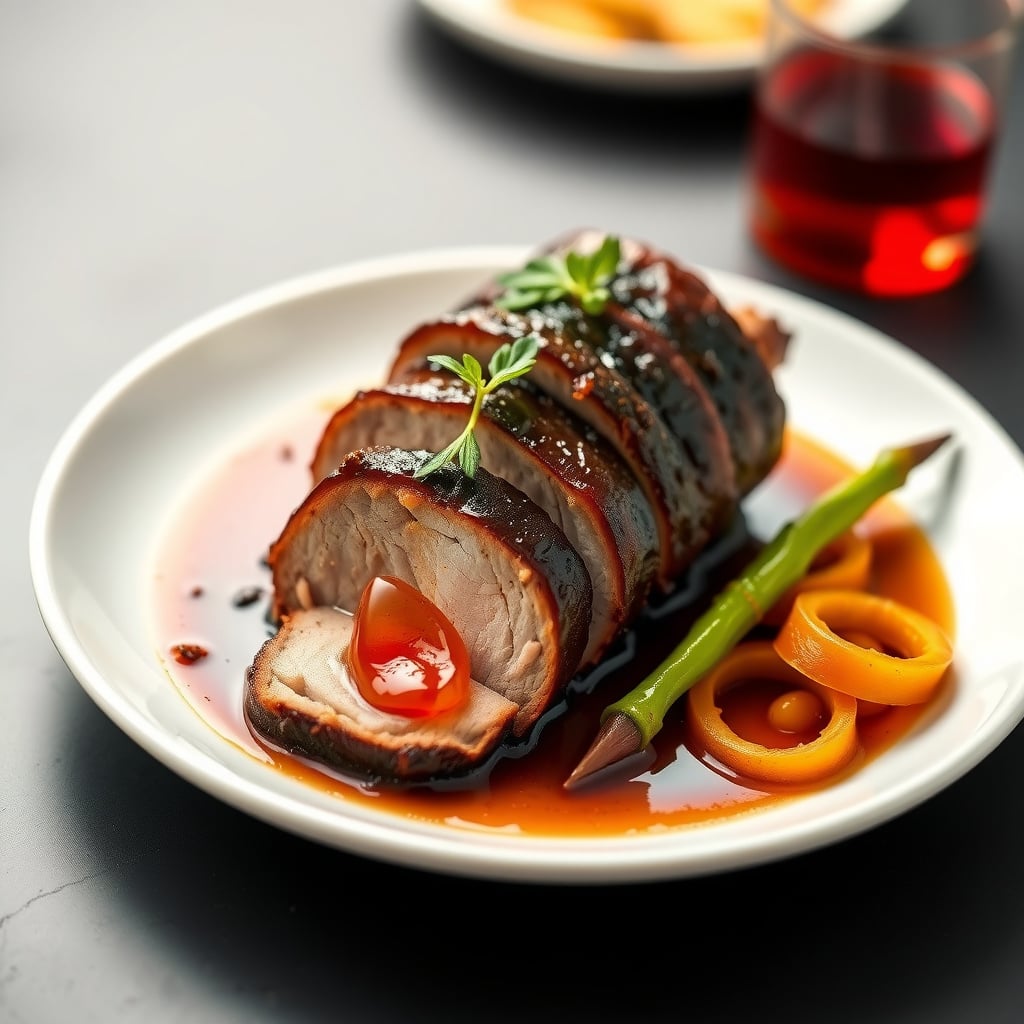
Smoky Lapsang Souchong Glazed Pork Tenderloin
45min
4
View Full Recipe →
Ready to simplify your meal planning?
Let OttoChef AI create personalized meal plans for your family — free to use, no credit card.