
Cucina Povera: How Italian Peasant Cooking Transforms Humble Ingredients
Learn budget cooking techniques from Italian cucina povera - the 'poor kitchen' that turns simple ingredients into extraordinary meals through clever technique and respect for food.
Daniel Park
Culinary Contributor
April 26, 2026
7 min read
7 views
When Italian grandmothers face an empty pantry, they don't panic—they create. This is the essence of cucina povera, literally "poor kitchen," a culinary philosophy born from necessity that has shaped Italian cooking for centuries. Far from being about deprivation, cucina povera teaches us the most valuable lesson in budget cooking: limitations breed creativity.
While modern home cooks often equate good food with expensive ingredients, cucina povera proves the opposite. This tradition emerged from rural Italy's farming communities, where nothing could be wasted and every scrap had value. The techniques developed over generations remain remarkably relevant for today's budget-conscious cooks.
Historical Context
Cucina povera developed differently across Italy's regions, reflecting local ingredients and economic conditions. In Tuscany, stale bread became ribollita and panzanella. In Naples, pasta with just garlic, oil, and chili (aglio e olio) fed families for pennies. These weren't compromise dishes—they were perfected over centuries.
The Core Principles That Save Money
Cucina povera operates on several key principles that directly impact your grocery budget. Understanding these transforms how you shop, cook, and think about food value.
Use every part of the ingredient. Italian cooks view food waste as both economic and moral failure. Broccoli stems get peeled and sliced into pasta. Parmesan rinds simmer in soup for hours, releasing umami and richness. Stale bread becomes the base for countless dishes—toasted for bruschetta, soaked for meatballs, layered into gratins, or transformed into breadcrumbs that add texture to everything from pasta to vegetables.
The Parmesan Rind Trick
Never throw away Parmesan rinds. Store them in the freezer and add one to any soup, stew, or bean dish while it simmers. The rind releases concentrated flavor and creates a rich, savory depth that tastes like you added expensive stock. Remove before serving.
Build flavor through technique, not price tags. The difference between bland beans and extraordinary beans isn't expensive ingredients—it's proper cooking method. Cucina povera teaches us to build layers of flavor through patient technique: sweating aromatics until sweet, toasting spices to wake them up, deglazing pans to capture fond, and simmering low and slow to develop complexity.
Consider the Tuscan approach to white beans. The beans themselves cost pennies. But when you soak them overnight, simmer them gently with garlic, sage, and good olive oil, then let them cool in their cooking liquid, you create something restaurant-worthy. The technique—not the ingredient cost—makes the difference.
"La cucina povera non è una cucina di ripiego, ma una cucina di intelligenza. (The poor kitchen is not a fallback kitchen, but a kitchen of intelligence.)"
Italian culinary sayingStretch proteins with starches and vegetables. Italian peasant cooking rarely featured large portions of meat. Instead, small amounts of protein flavor and enrich dishes built on inexpensive bases. A little pancetta transforms a pot of beans. A few anchovies create depth in vegetable dishes. Chicken bones make stock that becomes the foundation for soup where yesterday's vegetables shine.
This approach works brilliantly for modern budgets. Rather than serving expensive protein as the centerpiece, use it as a flavoring agent. Two Italian sausages, removed from casings and crumbled, can flavor a pasta dish for six when combined with seasonal vegetables and good technique.
Practical Techniques You Can Use Tonight
Master the Soffritto
The foundation of countless Italian dishes starts with finely diced onion, carrot, and celery sweated in olive oil until soft and sweet. This costs almost nothing but creates a flavor base that makes simple beans, lentils, or pasta taste complex and layered. The key is patience—cook it low and slow for 15-20 minutes until the vegetables nearly melt.
Learn Proper Pasta Water Usage
Cucina povera cooks never drain pasta completely dry. They reserve cups of the starchy cooking water and use it to create silky sauces without cream or butter. The starch acts as an emulsifier, binding oil or fat into a coating sauce. This technique turns simple garlic and oil into a luxurious dish.
Transform Stale Bread
Day-old bread isn't garbage—it's an ingredient. Toast it for croutons, blend it for breadcrumbs, soak it in milk for meatballs, or cube it for panzanella. Italian cooks understand that slightly stale bread often performs better than fresh in many applications because it absorbs flavors without becoming mushy.
Common Mistake
Don't confuse cucina povera with unseasoned food. Budget cooking requires proper seasoning—salt, pepper, and acid (lemon or vinegar) are essential. Under-seasoning makes cheap ingredients taste cheap. Proper seasoning makes them taste intentional and delicious.
Shopping and Planning the Cucina Povera Way
The cucina povera approach changes how you navigate the grocery store. Instead of shopping from a rigid list, you learn to recognize value and opportunity.
Buy what's abundant and cheap. Seasonal vegetables at their peak cost less and taste better. When zucchini floods the market in summer, Italian cooks make zucchini pasta, zucchini fritters, stuffed zucchini, and marinated zucchini. They work with abundance, not against scarcity.
Invest in pantry staples that multiply value. Good olive oil, dried pasta, canned tomatoes, dried beans, garlic, and anchovies form the backbone of countless cucina povera dishes. These items have long shelf lives and high versatility. A well-stocked pantry means you can create satisfying meals from minimal fresh ingredients.
The Anchovy Secret
Many people think they dislike anchovies, but cucina povera uses them as a secret weapon. When melted into olive oil with garlic, anchovies dissolve completely, leaving no fishy taste—only deep, savory umami that makes vegetables and pasta taste richer. Start with one or two fillets and experience the difference.
Cook once, eat multiple times with transformation. Cucina povera excels at transforming leftovers into new dishes. Yesterday's braised greens become today's pasta filling. Leftover risotto gets formed into arancini. Stale polenta slices and grills into a new side dish. This isn't eating boring leftovers—it's planned transformation.
The Flavor-Building Techniques That Matter
Cucina povera achieves maximum flavor from minimum ingredients through specific techniques worth mastering.
Blooming aromatics in fat. Whether it's garlic in olive oil, rosemary in butter, or red pepper flakes in rendered pancetta fat, cucina povera cooks know that fat carries and amplifies flavor. Taking thirty seconds to bloom aromatics in fat before adding other ingredients exponentially increases the final dish's impact.
Using acid to brighten and balance. A splash of wine vinegar, squeeze of lemon, or spoonful of tomato paste adds brightness that makes simple dishes sing. Acid cuts through richness, highlights other flavors, and adds complexity. This costs pennies but delivers dramatically.
The Parmigiano-Reggiano Question
Real Parmigiano-Reggiano seems expensive until you calculate cost per use. A small amount grated over pasta, risotto, or soup adds tremendous flavor. Buy a chunk, store it properly wrapped in the refrigerator, and use it sparingly. The rind alone (see earlier tip) justifies the investment.
Finishing with good olive oil. Cucina povera distinguishes between cooking oil and finishing oil. You can cook with cheaper olive oil, but a drizzle of high-quality extra virgin olive oil at the end—raw and uncooked—adds a peppery, fruity complexity that transforms simple dishes. Use it like a condiment, not a cooking medium.
Beyond Recipes: A Mindset Shift
The real lesson of cucina povera isn't about specific dishes—it's about approaching cooking with resourcefulness and respect. When you view ingredients as precious rather than disposable, you naturally waste less and create more.
This mindset means saving vegetable scraps for stock, using chicken carcasses for broth, and seeing potential in wilted greens rather than garbage. It means understanding that a perfectly ripe tomato needs only salt and good olive oil, while a mediocre winter tomato needs slow roasting to concentrate its flavors.
Italian grandmothers operating on tiny budgets created some of the world's most celebrated dishes not despite their limitations, but because of them. Constraints forced creativity. Scarcity demanded technique. The result is a cooking tradition that proves excellence doesn't require expense—it requires attention, respect, and knowledge.
Start Small
Don't overhaul your cooking overnight. Pick one cucina povera principle—perhaps saving pasta water or using vegetable scraps for stock—and practice it until it becomes automatic. Build your skills gradually, and you'll naturally spend less while eating better.
The beauty of cucina povera for modern cooks is its immediate relevance. You don't need special equipment, exotic ingredients, or advanced skills. You need patience, attention to technique, and willingness to see potential in simple ingredients. These humble approaches, refined over centuries of necessity, offer today's budget-conscious cooks a path to meals that satisfy both the wallet and the soul.
Try This Recipe
Now that you've learned about budget cooking lessons from italian cucina povera, put your knowledge into practice with this recipe:
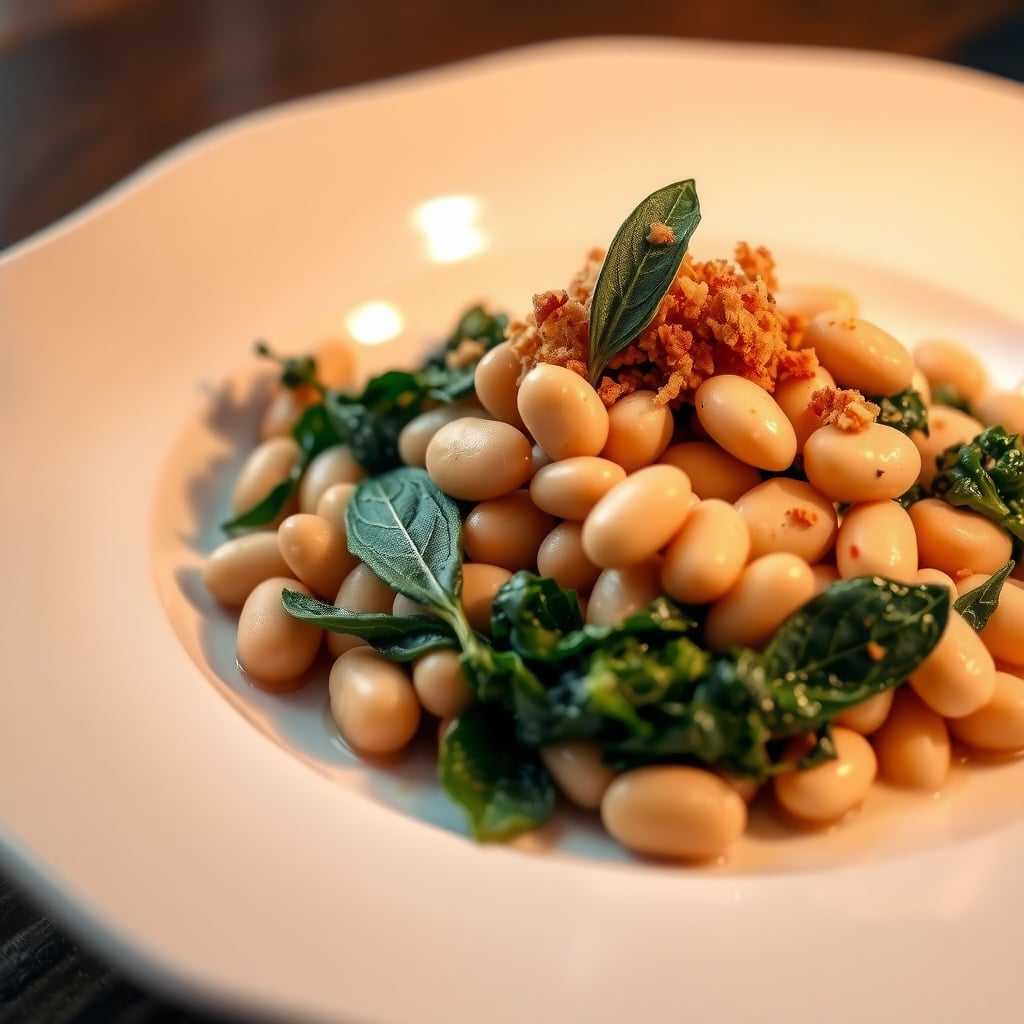
Tuscan White Beans with Crispy Breadcrumbs and Greens
105min
4
View Full Recipe →
Ready to simplify your meal planning?
Let OttoChef AI create personalized meal plans for your family in seconds.