
Cryo-Concentration: Extract Deep Flavor Glazes Without Heat
Discover freeze-thaw cryo-concentration to intensify liquids without heat. Learn how fractional freezing extracts bold glazes for your meal prep.
James Okonkwo
Food Writer
October 12, 2026
5 min read
1 view
Reducing a liquid on the stove is a fundamental technique for concentrating flavors, but thermal reduction comes with a clear trade-off: heat cooks the liquid. High temperatures break down delicate aromatic compounds, dull bright acidity, and turn fresh, vibrant flavors cooked and heavy. For meal preppers seeking bright finishing glazes, intense sauces, or potent flavor accents without cooked notes, there is a powerful modernist method that requires zero heat: freeze-thaw cryo-concentration.
Also known as fractional freezing or ice freeze-concentration, this technique relies on the natural physics of how solutions freeze and thaw. By leveraging your home freezer, you can transform everyday juices, stocks, and infusions into rich, syrupy glazes that retain 100 percent of their raw, fresh character.
How Cryo-Concentration Works
At its core, cryo-concentration separates pure water from dissolved solids using cold rather than evaporation. Water molecules form a tight, organized crystal lattice as they freeze into ice. As this lattice forms, it actively excludes dissolved solutes—such as natural sugars, organic acids, salts, amino acids, and aromatic flavor molecules.
The Science Behind Cryo-Concentration
When a liquid solution freezes, water crystallizes first as pure H2O. Dissolved flavor molecules, sugars, and acids lower the freezing point of the remaining liquid, creating a concentrated solution trapped between pure ice crystals.
When you thaw a frozen block of juice or broth under controlled conditions, the liquid with the highest concentration of dissolved solids thaws first. This happens because those solutes lower the melting point of that portion of the liquid. The result is a two-part separation: a dense, hyper-flavored concentrate that drains off early, and a porous block of nearly flavorless water ice left behind.
“By separating water from flavor through freezing temperatures rather than thermal evaporation, you capture volatile top notes that heat would permanently destroy.”
OttoChef Culinary TeamWhy Freeze Concentration Fits Into Meal Prep
Batch cooking often suffers from flavor fatigue. When proteins and grains are cooked in bulk, stored in containers, and reheated throughout the week, delicate fresh flavors are often lost. Traditional heavy sauces can make prepped meals feel monotonous or unpleasantly weighted.
Cryo-concentrated glazes solve this challenge effortlessly. Because they are intensely concentrated, a small drizzle delivers a massive punch of flavor without adding excess volume or unneeded moisture to your prepped containers.
- Saves Active Time: The hands-on work takes less than five minutes. The rest of the process happens passively in your freezer and refrigerator.
- Preserves Raw Vibrancy: Fresh herb extracts, citrus juices, and fruit reductions maintain their crisp, raw acidity and bright colors.
- Long Shelf Life: High sugar and acid concentrations act as natural preservatives, allowing cryo-glazes to keep in the refrigerator for weeks.
The Step-by-Step Cryo-Concentration Protocol
Executing freeze-thaw concentration at home requires no specialized laboratory equipment—just a container, a strainer, and patience.
Prepare and Strain the Base Liquid
Ensure your liquid is completely free of pulp, insoluble solids, or suspended fats. Strain thoroughly through a fine-mesh sieve lined with cheesecloth or a coffee filter. Clear liquids yield the cleanest separation.
Freeze Completely
Pour the clarified liquid into a plastic freezer-safe container or a sealable freezer bag. Place it in the coldest part of your freezer until solid, typically 12 to 24 hours.
Invert and Thaw in the Cold
Invert the frozen block into a fine-mesh strainer suspended over a collection bowl. Place the entire setup inside the refrigerator to thaw slowly.
Monitor the Melt
As the block thaws, dark, flavorful liquid will collect in the bowl first. Allow the melt to continue until you have harvested roughly 30% to 50% of the original volume.
Stop at the Visual Cue
When the remaining ice block turns pale or completely white, stop the collection process. Discard the leftover ice, which contains almost no remaining flavor.
The Visual Cue
Watch the color of the ice block. When it shifts from the vibrant color of your original liquid to an opaque, milky white, you have successfully extracted over 90% of the flavor compounds.
Ideal Liquids for Cryo-Concentration
Not every kitchen liquid behaves identically in the freezer. Understanding which ingredients yield the best results will ensure your meal prep experiments succeed every time.
Fresh Vegetable and Fruit Waters
Filtering fresh tomato purée yields clear tomato water. When freeze-concentrated, this clear liquid becomes an intense, savory elixir packed with natural glutamates. Freshly pressed apple juice, berry juices, and citrus juices concentrate into vivid syrups perfect for drizzling over grilled poultry or roasted roots.
Clarified Broths and Consommés
Clarified chicken or vegetable stocks can be cryo-concentrated into gelatin-rich, glossy pan-glazes without the heavy, cooked profile that comes from boiling down a stockpot for six hours.
Avoid High-Fat and High-Alcohol Liquids
Fats do not freeze or thaw cleanly within an ice lattice, leading to greasy separation. Additionally, liquids with high ethanol content above 15% ABV will not freeze solid in a standard household freezer.
Storing and Applying Cryo-Glazes in Meal Prep
Once harvested, transfer your cryo-concentrated glaze into a squeeze bottle or a small glass jar. For ultimate long-term prep, freeze the concentrate into mini ice cubes using silicone molds.
Portion for Fast Finishing
Freeze your concentrated glazes into 1-teaspoon portions in silicone ice trays. Drop one cube directly onto hot prepped food right before serving to create an instant, melting finishing glaze.
Here are three simple ways to integrate these concentrates into your weekly routine:
- Grains and Rice Bowls: Toss freshly warmed grains with a splash of cryo-concentrated citrus-ginger reduction for immediate brightness.
- Lean Proteins: Brush cold-concentrated savory reductions over pre-cooked chicken breast, pork tenderloin, or baked tofu right after reheating to restore lost moisture and surface flavor.
- Roasted Vegetables: Drizzle a tiny drop of cold-concentrated fruit or vegetable syrup over roasted brassicas or root vegetables to create a high-impact contrast against charred notes.
By adopting cryo-concentration into your meal-prep toolkit, you gain precise control over flavor intensity while honoring the natural freshness of your ingredients. Experiment with simple juices and clear broths first, and discover how cold temperatures can unlock unprecedented culinary depth.
Try This Recipe
Now that you've learned about using freeze-thaw cryo-concentration to extract high-impact flavor glazes without heat, put your knowledge into practice with this recipe:
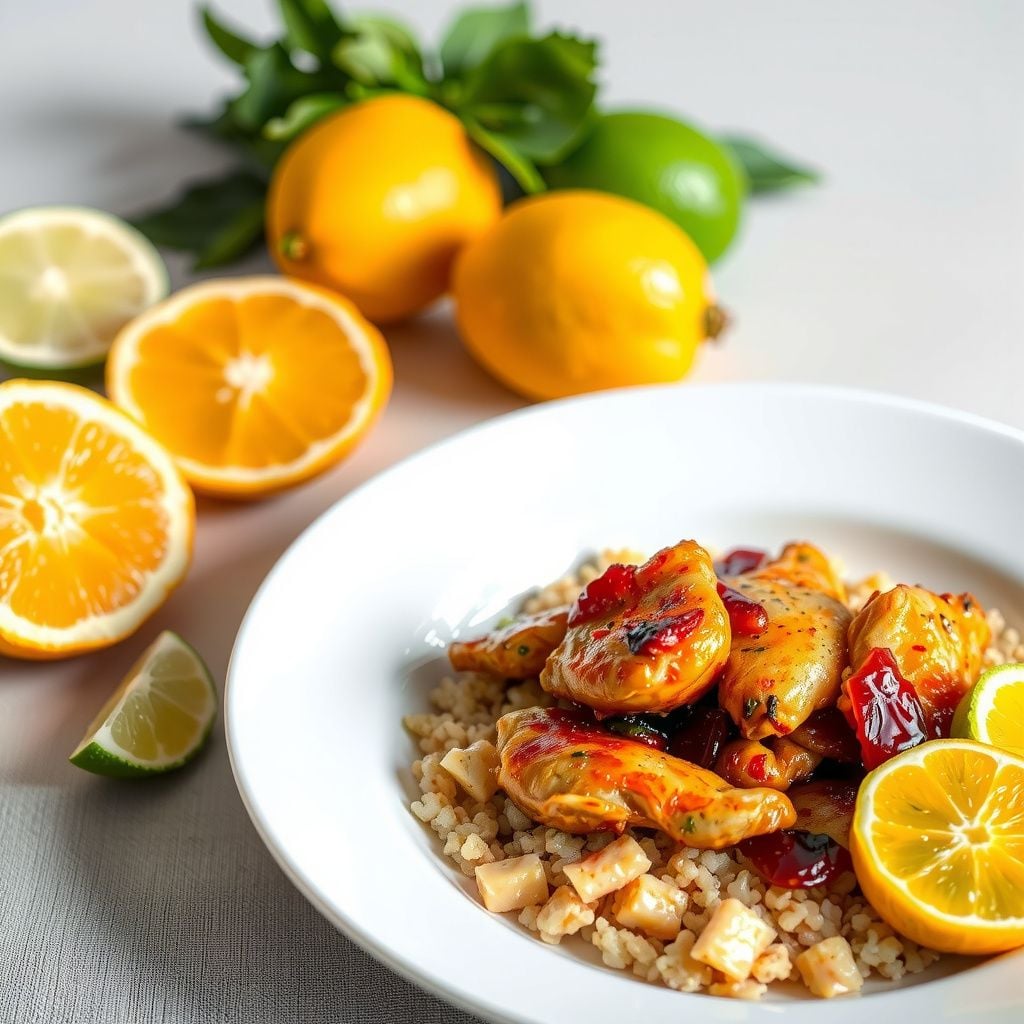
Cryo-Concentrated Citrus-Ginger Chicken Grain Bowls
45min
4
View Full Recipe →
Ready to simplify your meal planning?
Let OttoChef AI create personalized meal plans for your family — free to use, no credit card.