
Cooking for Vitality: How to Preserve Nutrients in Every Meal
Maximize your health with these expert cooking techniques. Learn how to preserve vitamins and minerals through steaming, stir-frying, and smart prep.
Emma Chen
Recipe Developer
June 26, 2026
6 min read
Choosing the best produce is only half the battle. How you handle it in the heat of the kitchen determines whether those nutrients reach your plate or disappear down the drain. Many home cooks unintentionally strip away the very vitamins they seek by using excessive water or prolonged cooking times. Understanding the science of nutrient preservation is about managing three specific variables: temperature, time, and surface area. By mastering a few simple techniques, you can ensure your meals are as functional as they are flavorful.
Water-Soluble vs. Fat-Soluble
Vitamins like C and the B-complex group are water-soluble, meaning they easily migrate from food into cooking liquid. In contrast, fat-soluble vitamins like A, D, E, and K are more stable but often require a small amount of dietary fat to be absorbed properly by the body.
The primary enemies of nutrients are heat and water. When you boil vegetables in a large pot of water and then discard that liquid, you are essentially throwing away a vitamin-rich broth. This process, known as leaching, is particularly aggressive toward Vitamin C and folate. To combat this, we look toward methods that minimize water contact and reduce cooking duration. While some believe raw food is the only way to get full nutrition, the reality is more nuanced. Cooking can actually increase the bioavailability of certain nutrients while destroying others. The goal is to find the perfect middle ground for each ingredient.
Save the Liquid
If a recipe requires boiling or simmering, consider using the leftover liquid as a base for soups, sauces, or for cooking grains like quinoa or rice. This reclaims the nutrients that leached out during the cooking process.
The Power of Steaming
Steaming is widely regarded by nutritionists and chefs alike as the gold standard for preserving water-soluble vitamins. Because the food never touches the boiling water, the minerals and vitamins remain locked within the cellular structure of the plant. This method is particularly effective for cruciferous vegetables like broccoli, cauliflower, and Brussels sprouts. Unlike boiling, which can remove up to 50% of the Vitamin C in broccoli, steaming keeps the majority of it intact.
Uniform Cutting
Slice your vegetables into even pieces so they finish cooking at the same time, preventing smaller pieces from overcooking while larger ones are still raw.
The Boil
Bring about an inch of water to a boil in a pot. Place your steamer basket inside, ensuring the water does not touch the bottom of the basket.
The Finish
Steam just until the colors are bright and the texture is tender-crisp. For most greens, this is between three and five minutes. The moment the color looks most vibrant is usually when nutrition is at its peak.
"The goal of healthy cooking is not to avoid heat, but to master it in a way that respects the biological integrity of our ingredients."
Dr. Elena Aris, Nutritional ScientistStir-Frying and Sautéing
In many East Asian culinary traditions, the use of a wok and high heat is a deliberate strategy for health and efficiency. Stir-frying involves very high temperatures but extremely short durations. This "quick-fire" approach sears the outside of the food, locking in moisture and nutrients before they have a chance to break down. When you sauté with a small amount of healthy fat—like olive oil or avocado oil—you also increase the absorption of fat-soluble nutrients. For example, the beta-carotene in carrots or the lycopene in tomatoes is much easier for your body to process when cooked briefly with a lipid.
The Smoke Point
When sautéing for health, avoid heating oils past their smoke point. Burnt oil creates free radicals and loses its own nutritional benefits, which can negate the healthiness of your vegetables. Choose oils with high smoke points like avocado or refined coconut oil for higher heat tasks.
The Surprising Benefits of Microwaving
Despite common myths, the microwave is actually one of the best tools for nutrient preservation. Because it cooks food incredibly fast and requires very little added water, it minimizes the time vitamins are exposed to heat. A quick "steam" in the microwave with a covered dish and a single tablespoon of water often retains more Vitamin C and antioxidants than almost any other method. The key is to avoid overcooking; use short bursts of time and check for that signature vibrant color.
Bioavailability: When Cooking Helps
It is a common misconception that raw is always better. In fact, for certain vegetables, cooking is essential to "unlock" their nutritional value. Heat breaks down the tough cellulose plant walls, releasing the nutrients inside. A classic example is the tomato. While raw tomatoes provide Vitamin C, cooked tomatoes provide significantly higher levels of lycopene, a powerful antioxidant linked to heart health. Similarly, lightly cooking spinach and carrots makes their iron and beta-carotene more accessible to our digestive systems.
The Color Cue
Use your eyes as a guide in the kitchen. If a vegetable goes from vibrant green to a dull olive-drab, it has likely been overcooked, and its nutritional profile has diminished. Aim for the moment the color 'pops'.
Strategic Preparation and Storage
How you prep your food also impacts its nutritional density. Cutting vegetables long before you cook them increases their exposure to oxygen, which leads to the oxidation of certain vitamins. To maximize health, try to cut your produce just before it goes into the pan. Furthermore, keeping the skins on items like potatoes, carrots, and cucumbers preserves the fiber and the concentrated nutrients found just beneath the surface. Even the way you store your food matters; light and air are the enemies of vitamins, so keep your produce in dark, cool crisper drawers until you are ready to use it.
Conclusion
Leveling up your cooking skills isn't just about flavor profiles and plating; it is about understanding how to treat your ingredients with respect. By shifting from boiling to steaming, embracing quick stir-fries, and utilizing your microwave effectively, you turn every meal into a more potent source of fuel for your body. Experiment with these techniques and notice the difference in both the color on your plate and the energy you feel after eating. Cooking for nutrition doesn't mean sacrificing taste—it means enhancing the natural brilliance of your food.
Try This Recipe
Now that you've learned about cooking methods that preserve nutrients, put your knowledge into practice with this recipe:
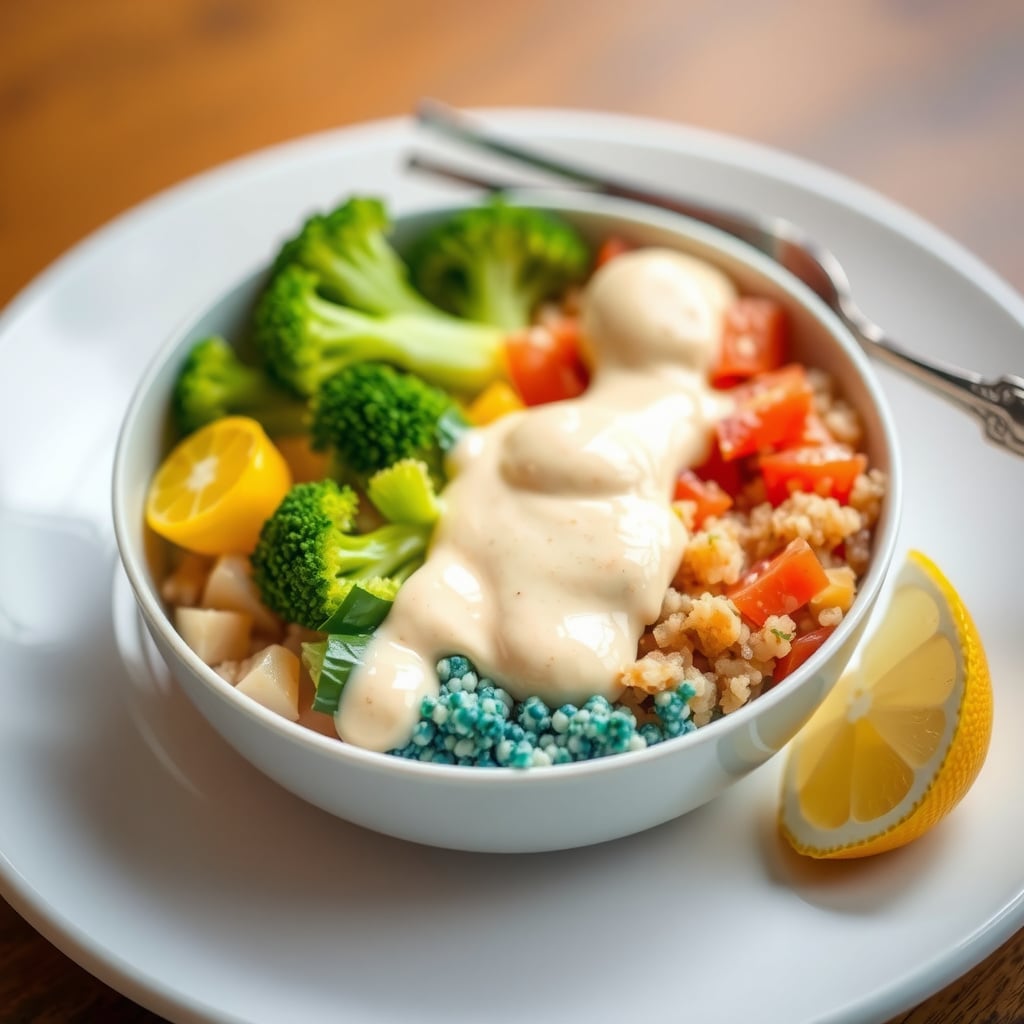
Vibrant Steamed Rainbow Bowl with Lemon-Tahini Dressing
35min
4
View Full Recipe →
Ready to simplify your meal planning?
Let OttoChef AI create personalized meal plans for your family in seconds.