
Cooking for Picky Eaters Without Being a Short-Order Cook
Learn strategic techniques to satisfy picky eaters while maintaining your sanity. One meal, multiple preferences—no separate dinners required.
Alex Thompson
Food Editor
March 1, 2026
8 min read
11 views
Every evening at 5:47 PM, the familiar dread sets in. Your seven-year-old only eats beige foods. Your partner hates mushrooms. Someone always complains about onions. You love them, so you stand at the stove making three different versions of dinner, feeling more like a diner cook than a home chef.
There's a better way. The solution isn't cooking multiple meals—it's understanding how to build flexibility into a single dish using strategic ingredient additions, flavor layering, and smart component separation. Professional chefs call this "modular cooking," and it's the secret to keeping everyone fed without losing your mind.
The Foundation: Build-Your-Own-Bowl Philosophy
The most powerful strategy for picky eater households is component-based cooking. Instead of serving a fully assembled dish, you prepare versatile base components that each person customizes.
Consider a taco night: you're not making tacos—you're preparing seasoned protein, toppings, and tortillas separately. Everyone assembles their own. This same principle applies to grain bowls, pasta dishes, stir-fries, and even soups.
The Neutral Base Strategy
Cook your base ingredient (rice, pasta, potatoes, chicken) completely plain or with minimal seasoning. Let people add sauces, seasonings, and toppings at the table. A plain baked potato becomes ten different meals depending on what goes on top.
The key is identifying which elements cause resistance. Usually it's texture (mushrooms, onions), strong flavors (garlic, spices), or mixed textures (casseroles where everything touches). By keeping these elements separate until serving, you give everyone control without extra work.
Strategic Flavor Layering
Professional kitchens add seasoning in stages, and you can use this technique to accommodate different preferences. Start with a base everyone accepts, then progressively add bolder flavors that only some people want.
Cook the Universal Base
Prepare your protein, grain, or vegetable with salt and pepper only. Remove portions for your most selective eaters.
Add Moderate Seasoning
To the remaining food, add gentler seasonings like garlic powder, dried herbs, or mild spices. Remove portions for moderately adventurous eaters.
Go Bold
With what remains, add strong flavors—fresh garlic, hot sauce, fish sauce, or assertive spices. This becomes the adult or adventurous eater version.
This three-tier approach means you're still cooking one meal, just pausing to set aside portions before intensifying flavors. It takes an extra two minutes but eliminates the need for completely separate dishes.
"The goal isn't to trick picky eaters or force them to eat everything. It's to create a system where cooking one meal satisfies multiple preferences."
Chef's principle of modular cookingThe Stealth Vegetable Technique
Before you roll your eyes—this isn't about pureeing vegetables into brownies. Stealth vegetables work when you understand why certain vegetables get rejected and prepare them differently.
Texture is often the issue, not flavor. A child who refuses roasted broccoli might happily eat broccoli roasted until crispy, almost chip-like. Someone who hates mushy zucchini might enjoy it shredded and quickly sautéed until it has texture.
The Maillard Advantage
Vegetables that are deeply caramelized through roasting or high-heat cooking develop sweet, nutty flavors that mask the "green" taste many picky eaters reject. Roast brussels sprouts at 425°F until the edges are almost burnt—the transformation is remarkable.
Another approach: cut vegetables differently. Julienned carrots feel different in the mouth than coin-cut carrots. Riced cauliflower has a completely different texture than florets. Sometimes rejection isn't about the vegetable itself but how it's prepared.
The Sauce-On-The-Side Revolution
Sauces are where most family dinner battles happen. One person wants everything drowning in sauce, another wants it barely dressed, and someone else wants no sauce at all.
The solution is simpler than it seems: always serve sauce separately. Always.
This applies to everything from pasta sauce to stir-fry sauce to salad dressing. Cook your base ingredient properly (pasta al dente, vegetables with good texture, protein with proper seasoning), then let everyone add sauce to their preference.
The Dry Protein Problem
If you're serving sauce on the side, your base protein needs proper seasoning and cooking technique. Under-seasoned chicken that's meant to be "fixed" with sauce will taste bland when someone eats it plain. Season generously with salt and pepper at minimum.
For dishes traditionally served sauced (like pasta), toss a small amount of sauce with the base to prevent sticking and add minimal flavor, then serve extra sauce at the table. This gives plain-food lovers a lightly dressed version while sauce enthusiasts can add more.
The Deconstructed Dinner Approach
Some meals work better completely deconstructed. Instead of serving a finished dish, you're essentially running a DIY dinner bar.
Deconstructed Fajita Night:
- Seasoned peppers and onions (cooked)
- Plain peppers (cooked separately for onion-haters)
- Seasoned protein
- Plain protein option
- Array of toppings: cheese, sour cream, salsa, guacamole, lettuce
- Tortillas
Deconstructed Pasta Night:
- Plain cooked pasta
- Simple tomato sauce
- Olive oil and garlic
- Cooked vegetables
- Grated cheese
- Cooked protein options
This feels like more work, but you're actually just organizing what you'd cook anyway. The difference is presenting it as components rather than a finished dish. Prep time is nearly identical; presentation is different.
The Two-Pan Method
Use two pans when sautéing vegetables. In one, cook vegetables with onions and garlic. In the other, cook the same vegetables plain. This simple split accommodates the most common aversion (onions/garlic) with minimal extra effort.
Teaching Taste Tolerance
While accommodating preferences, gradually introduce challenging flavors using the "taste exposure" technique from food psychology research.
Serve new or rejected foods alongside accepted foods, without pressure to eat them. The rule: everyone takes one small bite of the new food, describes what they taste (not whether they like it), then can eat their preferred items.
The 10-15 Exposure Rule
Research shows it takes 10-15 exposures to a new food before children (and many adults) begin accepting it. That means serving it 10-15 times without pressure or punishment. Most parents give up after 2-3 attempts.
Describing flavor rather than judging it removes pressure. "It tastes bitter" or "It's crunchy" is acceptable. Over time, unfamiliar foods become familiar, and familiarity often leads to acceptance.
The Strategic Batch Cook
One powerful strategy is cooking versatile base components in advance that transform into different meals throughout the week.
Batch-cooked plain chicken breast becomes:
- Chicken tacos (add taco seasoning when reheating)
- Chicken pasta (add Italian seasoning)
- Chicken stir-fry (add stir-fry sauce)
- Plain chicken with sides (leave unseasoned)
Batch-cooked plain rice becomes:
- Fried rice (add soy sauce, vegetables, egg)
- Mexican rice (add tomatoes, cumin)
- Plain rice (as is)
- Rice pudding (add milk and sugar for dessert)
This approach means cooking once but eating differently all week. The picky eater gets plain versions, while others get seasoned variations—all from the same base ingredient.
The Reheating Trap
Don't add sauce or heavy seasoning before storing batch-cooked items. Season during reheating so each meal can go in different flavor directions. Storing pre-seasoned food locks you into one flavor profile.
Making Peace with Different Plates
Here's an uncomfortable truth: sometimes people at the same table will eat slightly different meals, and that's okay. The goal isn't identical plates—it's avoiding the short-order cook trap of making completely separate dishes.
If your child eats plain pasta with butter while you eat pasta with vegetables and sauce, you've still cooked one meal. The pasta is the same; the additions differ. That's not short-order cooking—that's smart accommodation.
The line between reasonable accommodation and short-order cooking:
Reasonable: Serving sauce on the side, cooking vegetables separately from aromatics, offering plain protein alongside seasoned versions
Short-order cooking: Making chicken nuggets for one child, salmon for another, and steak for yourself—completely different proteins requiring different cooking methods
The difference is whether you're cooking multiple base dishes or one base dish with variations.
The Family Dinner Table Strategy
Finally, consider how you serve dinner. Restaurant-style plating (everything pre-arranged on plates) locks everyone into the same meal. Family-style service (components in serving dishes, everyone serves themselves) naturally accommodates preferences.
Put everything in the middle of the table. Let people take what they want and skip what they don't. This removes the pressure of "cleaning your plate" while still exposing everyone to all foods.
The One-Bite Agreement
Establish a family rule: everyone takes one bite of everything served, then can eat as much as they want of their preferred items. This creates exposure to new foods without battle, and over time, preferences often expand.
You'll spend less time negotiating and more time eating. Children learn to serve themselves appropriate portions. Adults can take larger servings of vegetables while kids load up on the starch—everyone's happy.
Your New Dinner Strategy
Cooking for picky eaters doesn't require a culinary degree or endless patience. It requires strategy: understanding which elements cause resistance, building flexibility into your cooking process, and presenting meals in ways that offer choice without creating extra work.
Start with one technique from this guide. Try the sauce-on-the-side approach for a week, or experiment with deconstructed dinners. Notice what works for your family's specific preferences. Over time, you'll develop a repertoire of flexible meals that satisfy everyone without making you feel like a restaurant line cook.
The goal isn't converting every picky eater into an adventurous foodie overnight. It's creating a sustainable system where you cook one meal, everyone eats reasonably well, and you maintain your sanity. That's not just possible—it's completely achievable with the right approach.
Try This Recipe
Now that you've learned about cooking for picky eaters without being a short-order cook, put your knowledge into practice with this recipe:
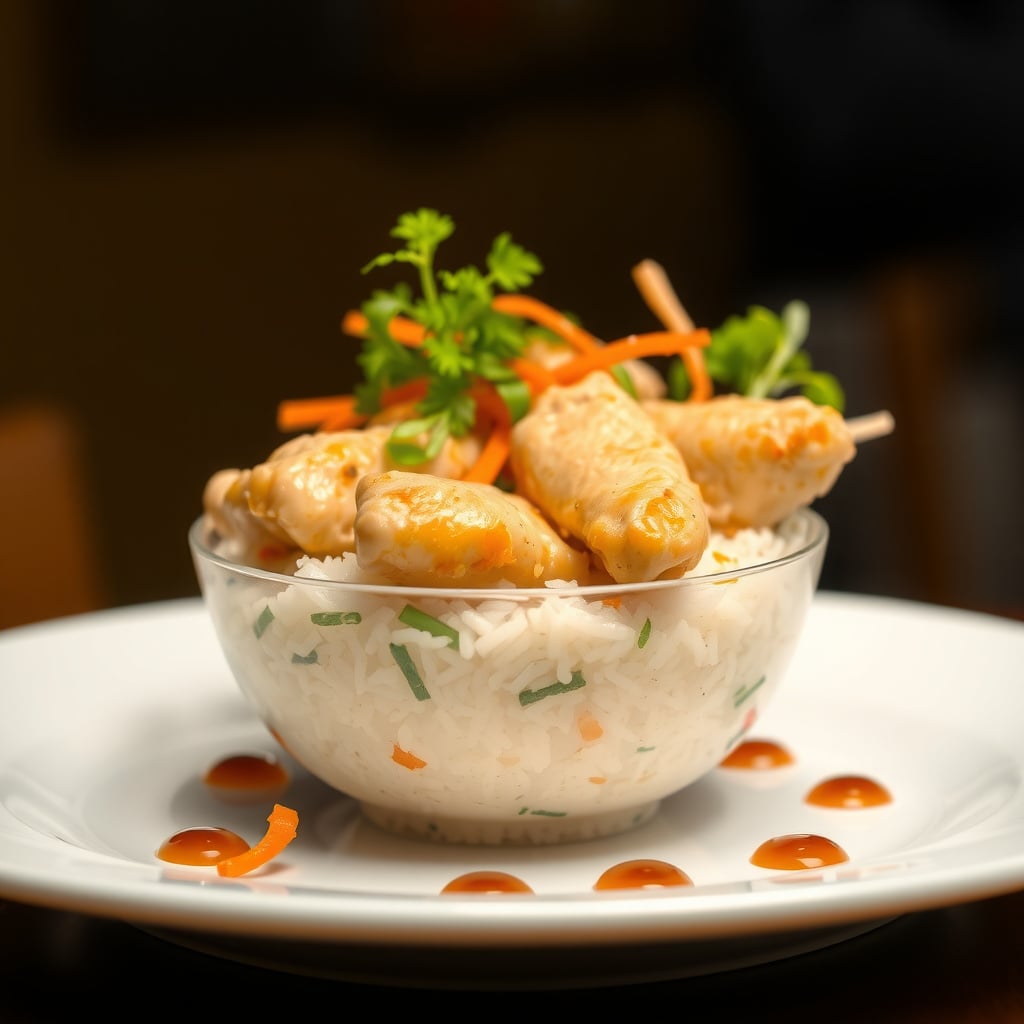
Build-Your-Own Asian Chicken Rice Bowl
50min
4
View Full Recipe →
Ready to simplify your meal planning?
Let OttoChef AI create personalized meal plans for your family in seconds.