
Component Cooking: The Ultimate Strategy for Flexible Meal Prep
Master component cooking to transform meal prep from repetitive to dynamic. Learn how to batch-cook versatile building blocks for endless weekly combinations.
Sarah Mitchell
Test Kitchen Director
March 22, 2026
7 min read
12 views
Most people approach meal prep like assembly line workers: cook five identical chicken and broccoli containers, eat them throughout the week, swear they'll never do it again. Sound familiar? The problem isn't meal prep itself—it's treating it like a factory operation instead of a creative kitchen system.
Component cooking flips this script entirely. Instead of preparing complete meals, you batch-cook versatile building blocks that mix and match throughout the week. Think of it as creating your own personal restaurant kitchen: proteins cooked three ways, grains in different styles, vegetables with varying flavor profiles, and sauces that tie everything together. The result? You prep once but eat differently every single day.
Why Component Cooking Works
The brilliance of this approach lies in its flexibility. When you cook components instead of complete meals, you're not locked into eating the same thing repeatedly. Monday's roasted chicken thighs become Tuesday's grain bowl, Wednesday's tacos, and Thursday's Asian-inspired lettuce wraps—all from the same protein batch.
This method also respects how ingredients hold up over time. Storing components separately prevents sogginess, maintains texture, and gives you control over portion sizes. You're essentially running your home kitchen like a professional mise en place station.
Start Small
Don't overhaul your entire system at once. Begin with 2-3 proteins, 2 grain bases, and 3-4 vegetable preparations. As you get comfortable, expand your repertoire.
The Four-Component Framework
Successful component cooking relies on four foundational categories: proteins, bases, vegetables, and sauces. Each category needs variety in both cooking method and flavor profile.
Proteins should span different cuisines and preparations. Roast a whole chicken, slow-cook pulled pork with minimal seasoning, and grill shrimp with just salt and olive oil. Keep seasonings simple during prep—you'll add complexity when assembling meals. This neutral approach means your Sunday chicken works equally well in Italian, Mexican, or Asian applications.
Bases extend beyond boring brown rice. Cook one batch of quinoa, roast sweet potatoes, and prepare pasta. Having three distinct bases—a grain, a starch, and a noodle—opens exponential meal combinations. Each base carries meals in different directions: quinoa for Mediterranean bowls, sweet potatoes for comfort food, pasta for quick Italian-inspired dinners.
The Professional Secret
Restaurant kitchens rarely cook proteins to order from raw. They par-cook or fully cook proteins during prep, then finish them to order. You're using the same professional technique at home.
Vegetables need different cooking methods to stay interesting. Roast one batch with olive oil and garlic, sauté another with ginger, and keep some raw for freshness and crunch. This variety prevents palate fatigue—the real enemy of meal prep adherence. Roasted Brussels sprouts, sautéed peppers and onions, and raw cucumber-tomato salad give you three completely different textural and flavor experiences.
Sauces are your secret weapon. They transform identical components into distinct meals. A tahini-lemon dressing, chimichurri, and peanut sauce take the same chicken-and-grain combination in three wildly different directions. Make 3-4 sauces weekly, store them in small containers, and you've essentially tripled your meal variety.
Select Your Proteins
Choose 2-3 proteins with different textures: one poultry, one red meat or pork, one seafood or plant-based option. Season minimally—just salt, pepper, and oil.
Prepare Diverse Bases
Cook your grains, roast your starchy vegetables, or prepare your noodles. Cool completely before storing to prevent condensation and sogginess.
Cook Vegetables Three Ways
Roast one batch, sauté another with aromatics, keep one raw. Use different vegetables for each method to maximize variety.
Batch Your Sauces
Make 3-4 sauces from different flavor families: one creamy, one bright and acidic, one rich and savory, one with heat. These will define your meals.
Storage Strategy Matters
How you store components directly impacts their quality and your willingness to use them. Glass containers prevent staining and don't retain odors, but they're heavy and breakable. BPA-free plastic works well for most components and stacks efficiently. Whatever you choose, invest in uniform sizes—they stack better and help with portion control.
Label everything with contents and date. You think you'll remember, but by Wednesday, you won't know if that container holds cilantro-lime rice or plain jasmine. A roll of masking tape and a permanent marker solve this problem for pennies.
The Temperature Danger Zone
Never store warm food in sealed containers. This creates condensation, promotes bacterial growth, and turns crispy vegetables soggy. Cool components to room temperature first, or use the refrigerator's cooling power by storing in shallow, uncovered containers initially.
Store sauces in small jars or squeeze bottles. This portion control prevents overdressing and makes assembly faster. A 4-ounce jar holds enough sauce for 2-3 meals, and you can grab exactly what you need without committing an entire container.
Assembly Becomes Creative Play
With components prepped, weeknight dinner transforms from a chore into a creative exercise. You're not reheating a predetermined meal—you're composing something fresh.
Monday might be roasted chicken over quinoa with roasted vegetables and tahini dressing—a Mediterranean-inspired bowl. Tuesday, shred that same chicken, warm it with sautéed peppers and onions, and wrap it in tortillas with fresh tomatoes and chimichurri for fusion tacos. Wednesday, toss cold chicken with raw vegetables, noodles, and peanut sauce for an Asian-style salad.
"Component cooking isn't about eating the same meal seven times—it's about creating a system where variety emerges from smart preparation."
Professional Meal Prep PhilosophyThe beauty of this system reveals itself around day three or four, when traditional meal preppers are choking down their fourth identical container. You're still excited about dinner because each combination feels different.
Scaling for Your Household
Single people can get away with smaller batches—one protein, two bases, three vegetable preparations. Families need volume, but the principle remains: cook components in bulk, assemble individually. This actually works better for families with picky eaters. Everyone builds their own bowl from the available components, customizing to their preferences.
For couples with different dietary needs, component cooking shines. Prep one meat and one plant-based protein, multiple vegetables, and various bases. Each person assembles meals matching their requirements from the same prep session.
Refresh Mid-Week
Plan one mid-week "refresh" session on Wednesday or Thursday. Spend 20 minutes making one new sauce or preparing fresh vegetables. This injection of novelty prevents end-of-week meal fatigue.
Common Pitfalls to Avoid
The biggest mistake is over-seasoning components. That heavily spiced chicken works great in bowls but clashes with Asian flavors later in the week. Season proteins simply, then build complexity during assembly with sauces and fresh herbs.
Another trap is ignoring texture. If everything is soft and warm, meals feel monotonous regardless of flavor variety. Always include something crunchy (raw vegetables, toasted nuts, crispy chickpeas) and something fresh (herbs, citrus, quick-pickled vegetables).
Don't prep more than you'll actually eat. Component cooking reduces waste compared to traditional meal prep, but only if you're realistic about quantities. Start conservative, track what you actually consume, then adjust.
Building Your Rotation
After a few weeks of component cooking, you'll develop a rotation of reliable building blocks. Maybe you always roast chicken thighs, cook black beans, and prepare roasted sweet potatoes because they're versatile and you enjoy them. That's perfect. The goal isn't infinite variety—it's sustainable variety.
Keep a running list of successful combinations. When you assemble something particularly delicious, note it. This builds your personal meal database, making future assembly even faster.
The real transformation happens when component cooking becomes your default approach. You'll stop seeing meal prep as a tedious Sunday marathon and start viewing it as setting up your week for success. Your refrigerator becomes a choose-your-own-adventure game instead of a prison of identical containers.
Start this weekend with just the four-component framework: two proteins, two bases, three vegetable preparations, three sauces. By Friday, you'll understand why component cooking converts meal preppers into lifelong practitioners. The flexibility, the variety, the creativity—it's how you make meal prep actually work for real life, not just Instagram photos.
Try This Recipe
Now that you've learned about the art of component cooking: mix and match meal prep, put your knowledge into practice with this recipe:
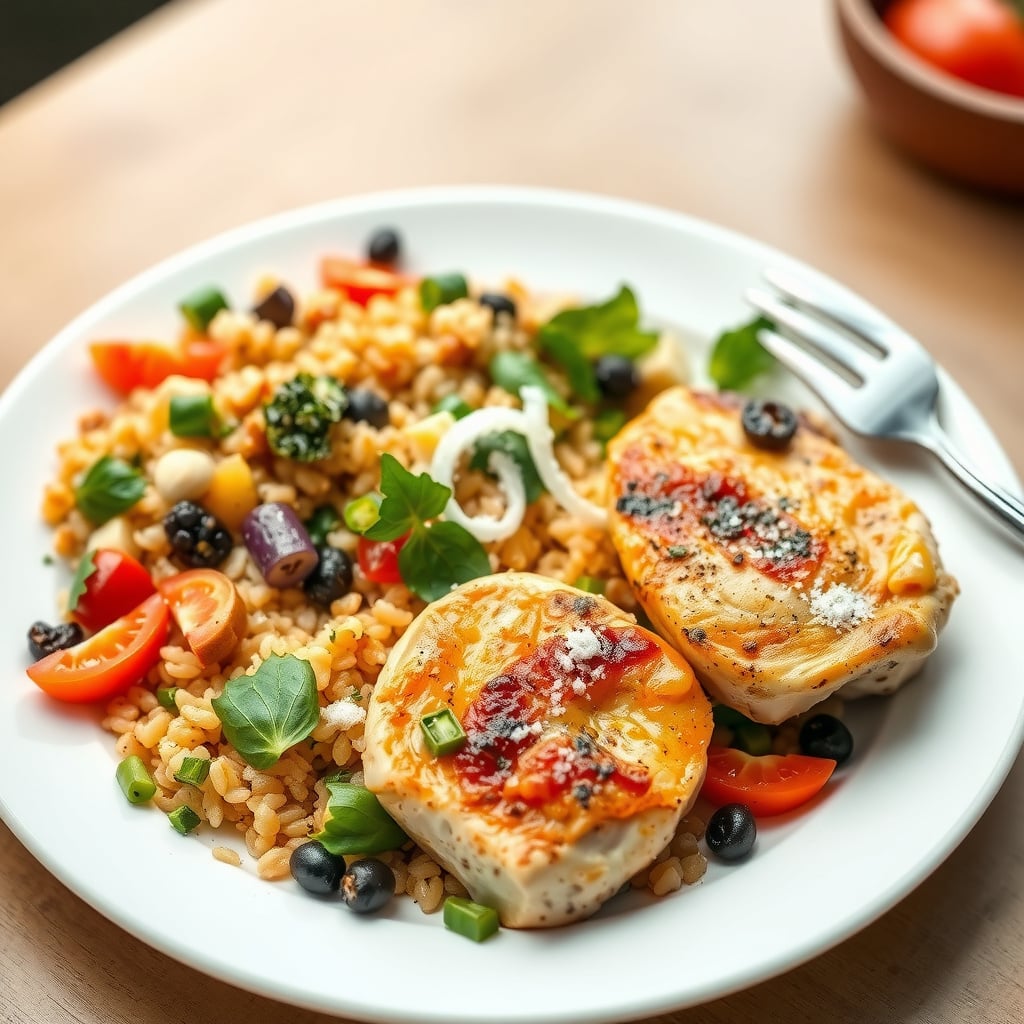
Build-Your-Own Mediterranean Grain Bowl Components
70min
4
View Full Recipe →
Ready to simplify your meal planning?
Let OttoChef AI create personalized meal plans for your family in seconds.