
Caribbean Jerk Mastery: Understanding Island Spice Traditions
Discover the authentic techniques behind Caribbean jerk seasoning and island spice traditions. Learn to build complex flavor layers that transport your cooking beyond basic marinades.
James Okonkwo
Food Writer
March 20, 2026
7 min read
8 views
The moment you smell authentic jerk seasoning—that intoxicating blend of smoke, heat, sweetness, and aromatics—you're experiencing centuries of Caribbean culinary evolution. Yet most home cooks reduce this complex tradition to a bottled marinade, missing the layered techniques that make island cooking so distinctive.
Understanding Caribbean spice traditions transforms your approach to flavor building. These aren't just recipes; they're philosophical approaches to seasoning that balance heat with sweetness, fresh herbs with dried spices, and acid with fat. Once you grasp these principles, you'll apply them far beyond Caribbean dishes.
The Foundation: What Makes Jerk Actually "Jerk"
Authentic jerk isn't a single spice blend—it's a cooking method born in Jamaica's Maroon communities. The technique combines a wet spice paste (the "jerk seasoning") with slow cooking over pimento wood smoke. While you might not have pimento wood in your backyard, understanding the flavor architecture helps you recreate the essence.
The base always includes Scotch bonnet peppers (for fruity heat), allspice berries (called "pimento" in Jamaica), and fresh thyme. These three ingredients form the holy trinity of jerk flavor. Everything else—scallions, ginger, garlic, nutmeg, cinnamon—builds on this foundation.
Allspice Origin Story
Allspice gets its name because English colonizers thought it combined flavors of cinnamon, nutmeg, and cloves. Indigenous to the Caribbean and Central America, it's been central to island cooking for millennia. The wood from allspice trees (pimento wood) is traditional for smoking jerk meats.
The wet paste technique serves multiple purposes. The oil and acid (typically lime juice or vinegar) help the spices penetrate protein fibers. Fresh aromatics like scallions and ginger add brightness that dried spices can't match. The paste also creates a crust during cooking that seals in moisture while developing char.
Building Your Jerk Paste
Always bloom your dried spices (allspice, cinnamon, nutmeg) in a dry pan first to wake up their essential oils. Let them cool before adding to your blender with fresh ingredients. This step intensifies flavor without the raw, dusty taste of untoasted spices.
Beyond Jerk: The Wider Caribbean Spice Palette
Caribbean cooking draws from African, Indigenous, European, Indian, and Chinese influences—each wave of migration added layers to the spice tradition. This fusion creates regional variations you won't find anywhere else.
In Trinidad and Tobago, "green seasoning" forms the base of countless dishes. Unlike jerk's emphasis on allspice and Scotch bonnets, green seasoning highlights fresh herbs: cilantro (called chadon beni or culantro), parsley, chives, and thyme, blended with garlic and peppers into a verdant paste. Cooks make large batches and freeze them in ice cube trays for quick seasoning.
Cuban mojo builds on sour orange juice (or a mix of regular orange and lime), massive amounts of garlic, cumin, and oregano. The technique involves heating the garlic gently in oil until fragrant but not brown, then adding citrus off-heat to preserve the bright acidity.
"The best Caribbean cooks don't measure—they taste, adjust, and trust their instincts. The recipes are frameworks, not formulas."
Norma Shirley, Godmother of New Jamaican CuisineHaitian epis combines parsley, bell peppers, scallions, and garlic into a flavor base that appears in everything from rice to stews. Dominican sofrito (different from Spanish versions) often includes ají gustoso peppers and cilantro. Each island's signature blend reflects its unique history and available ingredients.
Heat Management: Working with Caribbean Peppers
Caribbean cooking embraces heat, but it's always balanced—never just painful. Scotch bonnet and habanero peppers bring fruity, almost floral notes alongside their intensity. Learning to harness this heat without overwhelming dishes separates competent cooks from skilled ones.
Controlling Heat Levels
Start by adding whole peppers to your paste or marinade. They'll infuse flavor without maximum heat. Taste as you go, then gradually add more chopped pepper if needed. You can always add heat; you can't remove it.
Balancing with Sweetness
Caribbean cooks traditionally balance pepper heat with natural sugars—brown sugar, molasses, honey, or fruit. This isn't about making food sweet; it's about creating complexity. The sugar also helps with caramelization during cooking.
Acid as a Buffer
Citrus juice or vinegar doesn't reduce capsaicin, but it changes how you perceive heat. The brightness distracts your palate and cleanses between bites, making spicy food more approachable.
The Scotch Bonnet Substitute Trap
Many recipes suggest substituting habaneros for Scotch bonnets. While they're similar heat levels, Scotch bonnets have a distinct fruity sweetness that habaneros lack. If substituting, add a touch of apricot or mango to approximate that fruity note.
Technique: Layering Flavors Like an Island Cook
Caribbean cooking builds flavor in stages—a technique that transforms simple ingredients into complex dishes. Understanding this layering helps you apply these principles to any cuisine.
Start with a flavor base (your jerk paste, green seasoning, or sofrito). This concentrates aromatics and creates depth. Next, add your protein or vegetables, allowing them to pick up those base flavors. Then introduce liquid—stock, coconut milk, or water—which becomes infused with everything below it.
The final layer often includes fresh herbs, a squeeze of citrus, or a finishing oil. These bright, raw elements contrast with the deep, cooked flavors beneath them. Think of it like music: you need bass notes (your spice paste), middle tones (the main ingredients), and high notes (fresh finishes).
The Marination Sweet Spot
For jerk paste on chicken or pork, 4-8 hours provides optimal penetration. Less than 2 hours and you're just coating the surface. More than 24 hours and the acid can make the meat mushy. For fish, 30 minutes to 2 hours is plenty—the flesh is more delicate.
Applying Island Techniques to Your Everyday Cooking
You don't need to cook Caribbean food to benefit from these traditions. The principles translate beautifully:
Wet vs. Dry Spice Application: Jerk teaches us that blending spices with fresh aromatics, oil, and acid creates better penetration than dry rubs. Try this with your next grilled chicken—blend your favorite spices with garlic, herbs, olive oil, and lemon juice.
Balancing Heat and Sweet: The Caribbean approach to Scotch bonnets works for any chili. When making Thai curry, Mexican salsa, or Indian vindaloo, consider what sweetness (palm sugar, tomatoes, coconut) balances your heat.
Herb Pastes as Flavor Banks: The green seasoning concept—making large batches of herb pastes and freezing them—works for any cuisine. Make Italian-style pastes with basil and garlic, Asian-style with cilantro and ginger, or Mediterranean with parsley and preserved lemon.
The Smoke Question
Traditional jerk uses pimento wood smoke, but you can approximate this with a mix of fruitwood chips (apple or cherry) and a few allspice berries thrown on your charcoal. For oven cooking, a touch of smoked paprika in your jerk paste adds subtle smokiness without overwhelming the other spices.
Respecting the Tradition While Making It Yours
Caribbean spice traditions developed over centuries, shaped by necessity, migration, and creativity. When you use these techniques, you're participating in a living culinary heritage. Research the origins, understand the why behind the what, and give credit to the cultures that developed these methods.
That said, cooking evolves. Jamaican cooks in Kingston might debate the "proper" jerk recipe endlessly—because there isn't one definitive version. The tradition is adaptation. Use these principles as a foundation, then make them work for your ingredients, your equipment, and your taste.
Start with a simple jerk paste: blend Scotch bonnets (or habaneros with a touch of fruit), allspice berries, fresh thyme, scallions, garlic, ginger, lime juice, and a bit of oil. Taste it. Adjust it. Use it on chicken, pork, fish, or vegetables. Notice how the flavors develop differently with various cooking methods—grilling versus roasting versus pan-searing.
Pay attention to how the sweetness balances heat, how the acid brightens everything, how the fresh herbs sing against the warm spices. These observations will change how you approach seasoning in every cuisine you cook.
The Caribbean spice tradition teaches us that great flavor comes from understanding balance, respecting ingredients, and building layers. Whether you're making authentic jerk chicken or simply adding more dimension to your weeknight cooking, these principles will serve you well. The islands have been perfecting this approach for generations—now it's your turn to explore what these techniques can do in your kitchen.
Try This Recipe
Now that you've learned about caribbean jerk and island spice traditions, put your knowledge into practice with this recipe:
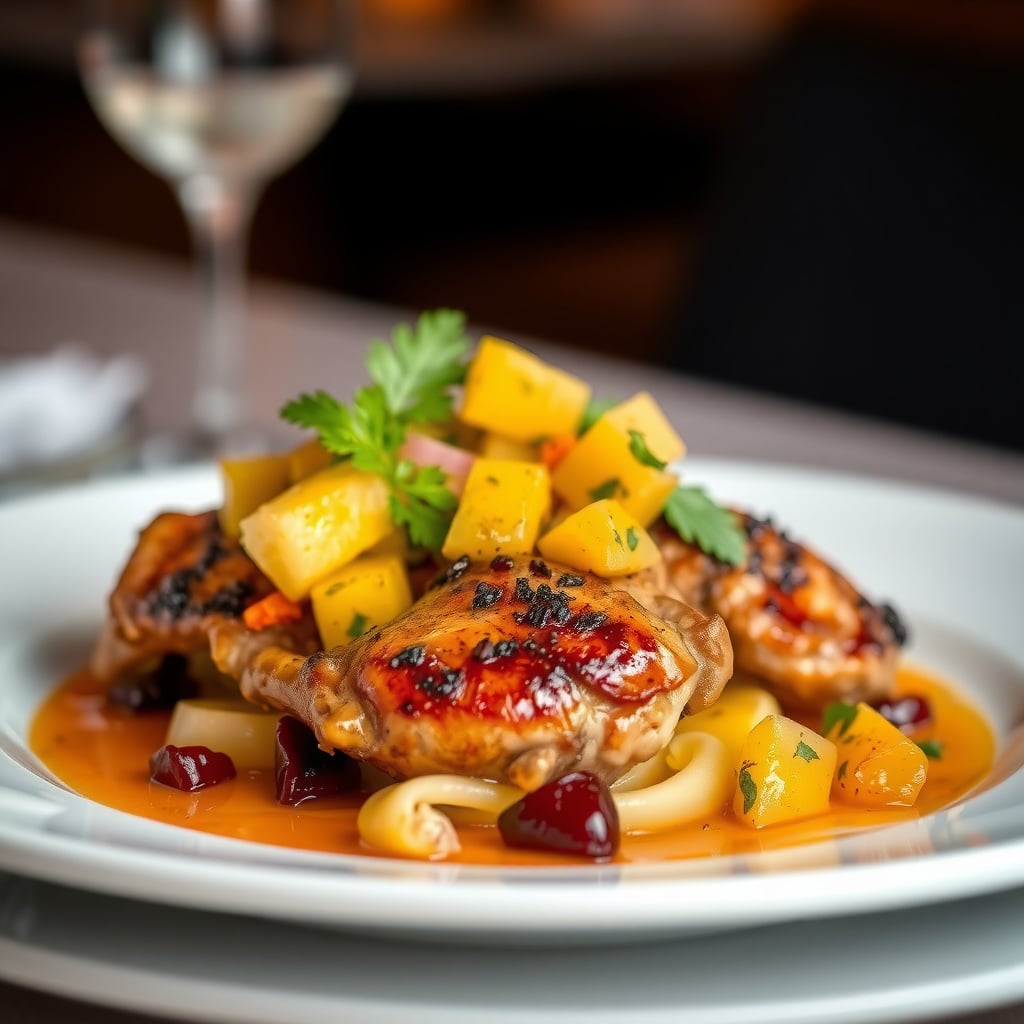
Authentic Jerk Chicken with Charred Pineapple Salsa
75min
4
View Full Recipe →
Ready to simplify your meal planning?
Let OttoChef AI create personalized meal plans for your family in seconds.