
Capturing the Craft: How to Preserve and Teach Family Culinary Traditions
Master the art of documenting family recipes and bridging the generational gap in the kitchen with these practical tips for capturing intuitive cooking techniques.
Emma Chen
Recipe Developer
May 14, 2026
5 min read
4 views
The challenge of the approximate measurement is a frequent hurdle for home cooks attempting to recreate the flavors of their heritage. When an elder family member suggests adding flour until the dough feels right, they are referencing decades of tactile feedback—the specific resistance of the dough and the way it pulls away from the bowl. To bridge this gap between generations, we must translate these sensory experiences into technical data points that can be shared, repeated, and evolved. This process is not just about writing down ingredients; it is about capturing the technique, the timing, and the sensory cues that define a family's culinary identity.
Traditional cooking often relies on oral history and muscle memory rather than standardized units. This presents a unique difficulty for modern cooks who are accustomed to digital scales and precise temperatures. However, by applying a few structured observation techniques, you can preserve these intuitive methods without losing the essence of the original dish. The goal is to act as a culinary ethnographer, documenting the subtle nuances that make a dish successful.
The 'Handful' Standard
In many traditional cuisines, measurements like the 'palmful' or 'pinch' are calibrated to the cook's specific hand size. A 'handful' of rice from a grandfather with large hands can be nearly double the volume of a handful from a younger family member.
The Shadow Observation
Watch the experienced cook prepare the dish from start to finish without interrupting their flow. Take notes on the order of operations, the heat levels used, and how they handle the ingredients. Note the specific tools they choose, such as a well-seasoned cast-iron skillet or a specific wooden spoon.
The Intervention and Scale
During a second session, ask to intervene before ingredients are added. Place a digital scale on the counter and weigh every 'pinch,' 'dash,' and 'handful' before it goes into the pot. Record these weights in grams for the highest level of accuracy, as volume measurements like cups can vary significantly depending on how the ingredient is packed.
Documenting Sensory Cues
Instead of recording time alone, record what the cook is looking, smelling, and listening for. Is the oil shimmering? Has the sound of the sautéing vegetables shifted from a loud hiss to a gentle sizzle? Does the aroma change from raw to toasted? these are the true indicators of progress in traditional cooking.
"A recipe is a living document that breathes through the hands of the cook, evolving with every generation while keeping its soul intact."
The OttoChef Culinary TeamPreserving cultural integrity is vital when documenting international cuisines. Many traditional techniques were developed to maximize flavor from specific, local ingredients or to work around the limitations of historical kitchen equipment. For instance, the long, slow pounding of spices in a mortar and pestle does more than just break them down; the friction generates heat that releases volatile oils in a way a high-speed electric blender cannot replicate. When bridging these traditions, it is important to understand the 'why' behind the method before attempting to modernize it.
Temperature Mapping
Use an instant-read thermometer to find the 'done' temperature that the family expert achieves by touch. If they know a roast is ready by pressing the meat, measure the internal temperature at that exact moment. This provides a concrete target for less experienced cooks.
Modern technology offers incredible tools for preservation, but it must be used thoughtfully. While a food processor can save time, it may change the texture of a traditional salsa or pesto by aerating the ingredients too much. If you choose to modernize a technique, do so incrementally. For example, if you are transitioning a slow-cooked braise from a heavy clay pot to a modern pressure cooker, you may need to reduce the liquid content, as pressure cookers prevent the evaporation that naturally thickens sauces over several hours.
Calibrate Your Heat Source
Older recipes often rely on 'medium heat' on gas stoves from several decades ago. Modern induction or high-BTU professional-style ranges are significantly more powerful. A 'medium' setting on a new stove can easily scorch a dish that was designed for the gentler heat of an older appliance.
Teaching the next generation is the final step in bridging the culinary gap. Involving children in the kitchen should focus on these same sensory cues. Encourage them to smell the spices as they toast or feel the difference between bread dough that has been kneaded sufficiently versus dough that is still shaggy. By focusing on the 'feel' of the food alongside the data of the recipe, you help them develop the same intuition that the previous generations possessed.
The Science of Scent
Our sense of smell is closely linked to the brain's memory centers. By intentionally smelling a dish at various stages of the cooking process, you are building a mental library of aromatic markers that will eventually allow you to cook without a recipe.
Bridging culinary traditions is a balance of science and sentiment. It requires the precision of a modern chef and the patience of a student. By documenting the weights, temperatures, and sensory markers of your family's most cherished dishes, you ensure that these traditions remain accessible and vibrant for years to come. Start with one dish, observe closely, and don't be afraid to ask the 'obvious' questions about how a cook knows when the texture is exactly right. The answers are often where the most valuable culinary secrets are hidden.
Try This Recipe
Now that you've learned about cooking across generations: bridging culinary traditions, put your knowledge into practice with this recipe:
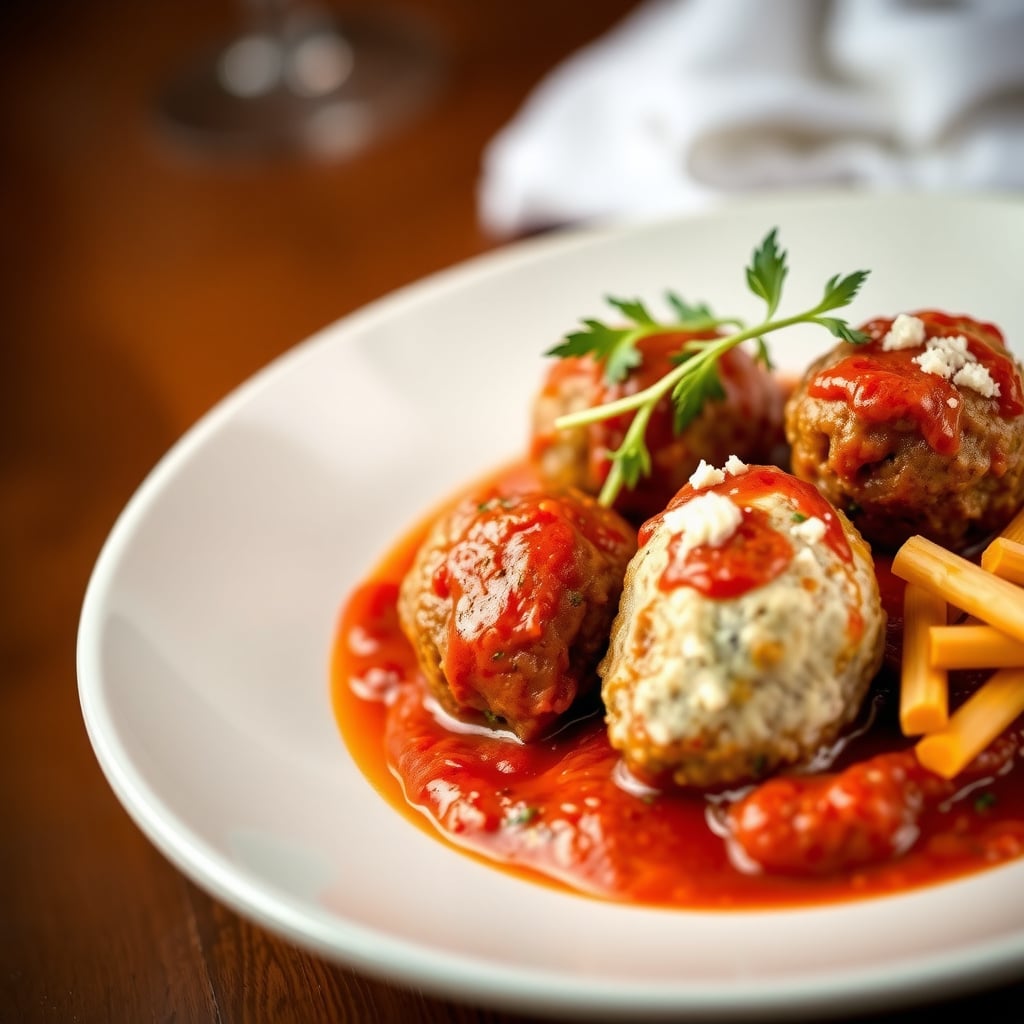
Standardized Heirloom Ricotta Meatballs in Sunday Sauce
150min
4
View Full Recipe →
Ready to simplify your meal planning?
Let OttoChef AI create personalized meal plans for your family in seconds.