
Cajun vs. Creole: Understanding Louisiana's Two Great Cuisines
Discover the key differences between Cajun and Creole cooking—from ingredients and techniques to cultural roots. Learn how to bring authentic Louisiana flavors to your kitchen.
Marcus Rivera
Culinary Editor
March 30, 2026
7 min read
18 views
Walk into any Louisiana kitchen, and you'll quickly realize that asking "What's the difference between Cajun and Creole?" is like asking a New Yorker about pizza styles—prepare for passionate opinions. These two culinary traditions share the same geographic home but tell distinctly different stories through their ingredients, techniques, and flavors.
Understanding these differences isn't just culinary trivia. It transforms how you approach building flavors, choosing ingredients, and adapting Louisiana cooking to your own kitchen. Whether you're trying to recreate that bowl of gumbo you had in New Orleans or simply want to expand your flavor vocabulary, knowing what makes each cuisine unique gives you a powerful toolkit.
The Cultural Foundations
Creole cuisine emerged in New Orleans as a sophisticated, cosmopolitan cooking style. Born from French and Spanish colonial influences, enriched by African cooking techniques, and touched by Caribbean, Italian, and German immigrants, Creole cooking had access to city markets, imported goods, and diverse ingredients. Think of it as the urbane cousin—refined, complex, and unafraid to show off a little.
Cajun cooking tells a different story. When French Acadians were expelled from Canada in the 1750s, they settled in rural South Louisiana's swamps and prairies. With limited resources and no access to fancy markets, they developed a cuisine of resourcefulness. Every part of the animal got used, local seafood and game became staples, and bold seasoning made simple ingredients sing. This is country cooking at its finest—hearty, direct, and deeply practical.
The "Holy Trinity" vs. Mirepoix
While French cooking uses mirepoix (onions, carrots, celery), Louisiana cooking substitutes bell peppers for carrots, creating the "holy trinity." This swap reflects the local agriculture and creates a sweeter, more vegetal base that defines both cuisines.
The Ingredient Story
The most visible difference appears in the pantry. Creole cooking embraces tomatoes enthusiastically—you'll find them in gumbos, jambalayas, and sauces. This tomato presence connects to the cuisine's Mediterranean influences and the abundance of tomatoes in New Orleans markets. Creole dishes also incorporate butter, cream, and refined ingredients more freely.
Cajun cooking traditionally avoided tomatoes (though modern Cajun cooks sometimes blur this line). Instead, it relies heavily on animal fats—particularly pork fat—for flavor building. The seasoning tends toward the assertive: cayenne pepper, black pepper, and paprika create heat and depth. Where Creole might add cream to finish a sauce, Cajun cooking thickens with roux or lets the natural starches from rice do the work.
Building Your Louisiana Pantry
Start with these essentials: quality paprika (sweet and smoked), cayenne pepper, file powder (ground sassafras), dried thyme, bay leaves, and either Creole seasoning or make your own blend. For Cajun cooking, add andouille sausage and tasso ham to your freezer. For Creole, stock canned tomatoes and good butter.
Seafood appears in both cuisines but differently. Creole cooking showcases oysters, shrimp, and fish in elegant preparations—think oysters Rockefeller or shrimp remoulade. Cajun cooking embraces crawfish, catfish, and whatever comes from the bayou, often in one-pot meals where seafood mingles with sausage and rice.
Technique and Approach
The roux—that mixture of fat and flour cooked until it darkens—appears in both cuisines but with different personalities. Creole roux tends toward lighter colors: blonde to medium brown, cooked just until it smells nutty. This lighter roux thickens without overwhelming delicate seafood flavors.
Cajun roux goes dark. We're talking chocolate brown, sometimes nearly black, requiring constant stirring for 30-45 minutes. This deeply caramelized roux adds a distinctive smoky, almost bitter complexity that stands up to assertive seasonings and hearty ingredients. Making a dark roux tests your patience and arm strength, but it creates flavors you can't achieve any other way.
Roux Requires Respect
A dark roux can burn in seconds once it reaches the right color. Have your trinity vegetables prepped and ready beside the stove. When the roux hits your target shade, immediately add the vegetables—they'll stop the cooking and prevent burning. Never walk away from a roux in progress.
"The roux is the foundation. Everything else is just building on top."
Chef Paul PrudhommeSeasoning Philosophy
Creole seasoning blends tend toward complexity and balance. A typical Creole blend might include paprika, garlic powder, onion powder, dried oregano, dried basil, thyme, black pepper, cayenne, and sometimes white pepper. The goal is layered flavor where no single element dominates.
Cajun seasoning hits harder and more directly. While recipes vary, Cajun blends emphasize heat and boldness: heavy on cayenne and black pepper, with paprika for color and earthiness, garlic for punch. Some cooks add file powder for its distinctive eucalyptus-like note. The philosophy is straightforward—season assertively because you're often flavoring large pots of rice, beans, or stew.
Toast Your Spices
Before mixing any Louisiana seasoning blend, toast whole spices (like black peppercorns) in a dry skillet until fragrant, then grind. This extra step intensifies flavors and creates more authentic taste.
Layer Your Seasoning
Don't add all your spice blend at once. Season the protein first, add more when building your base, and adjust at the end. This creates depth rather than one-dimensional heat.
Balance Heat with Acid
Both cuisines use acid to balance bold flavors. Keep hot sauce, vinegar, or lemon wedges handy to brighten dishes and cut through richness.
The Gumbo Question
Nothing illustrates the differences better than gumbo. Creole gumbo often includes tomatoes, tends toward seafood (especially during Lent), and might use okra as a thickener alongside a lighter roux. The result is brighter, more complex, with distinct ingredient flavors.
Cajun gumbo skips the tomatoes, uses a dark roux for thickening and flavor, and often combines seafood with andouille sausage or chicken. File powder might thicken it further. The flavor profile is earthier, more unified, with ingredients melding into a cohesive whole.
Both approaches make outstanding gumbo. The "right" way depends on whose grandmother you're asking.
The File Powder Tradition
File powder, made from ground sassafras leaves, came from Choctaw cooking traditions. It thickens gumbo and adds a unique flavor, but never add it during cooking—the heat makes it stringy and unpleasant. Stir it in after removing from heat, or let diners add it at the table.
Bringing It to Your Kitchen
You don't need to live in Louisiana to cook these cuisines authentically. Start by understanding the principles rather than following recipes rigidly. Creole cooking invites experimentation and refinement—taste frequently, adjust seasonings, and don't fear butter or cream. Cajun cooking rewards boldness and efficiency—season assertively, embrace one-pot meals, and use what you have.
Both cuisines teach valuable lessons for any home cook. The patient development of roux demonstrates how time and technique create complexity. The holy trinity shows how a simple aromatic base can anchor countless dishes. The bold seasoning philosophy proves that proper spicing makes affordable ingredients taste extraordinary.
Start Simple, Build Complexity
Begin with dishes that showcase the fundamentals: a Creole-style shrimp étouffée with tomatoes and butter, or a Cajun-style red beans and rice with andouille. Master these basics before attempting gumbo or jambalaya. Once you understand how each cuisine builds flavor, you can adapt any Louisiana dish.
The beauty of Louisiana cooking—both Cajun and Creole—lies in its generosity. These cuisines welcome adaptation, encourage bold flavors, and prove that great cooking doesn't require fancy techniques or expensive ingredients. Whether you're drawn to Creole's sophistication or Cajun's directness, both traditions offer a masterclass in building flavor, using ingredients wisely, and cooking food that brings people together.
Start with quality spices, respect the roux, and don't be timid with seasoning. Your kitchen might be thousands of miles from the bayou, but these techniques travel well. The pot of red beans simmering on your stove or the étouffée coming together in your skillet connects you to centuries of cooks who understood that good food requires patience, bold flavors, and a little bit of soul.
Try This Recipe
Now that you've learned about cajun and creole: louisiana's distinct cuisines, put your knowledge into practice with this recipe:
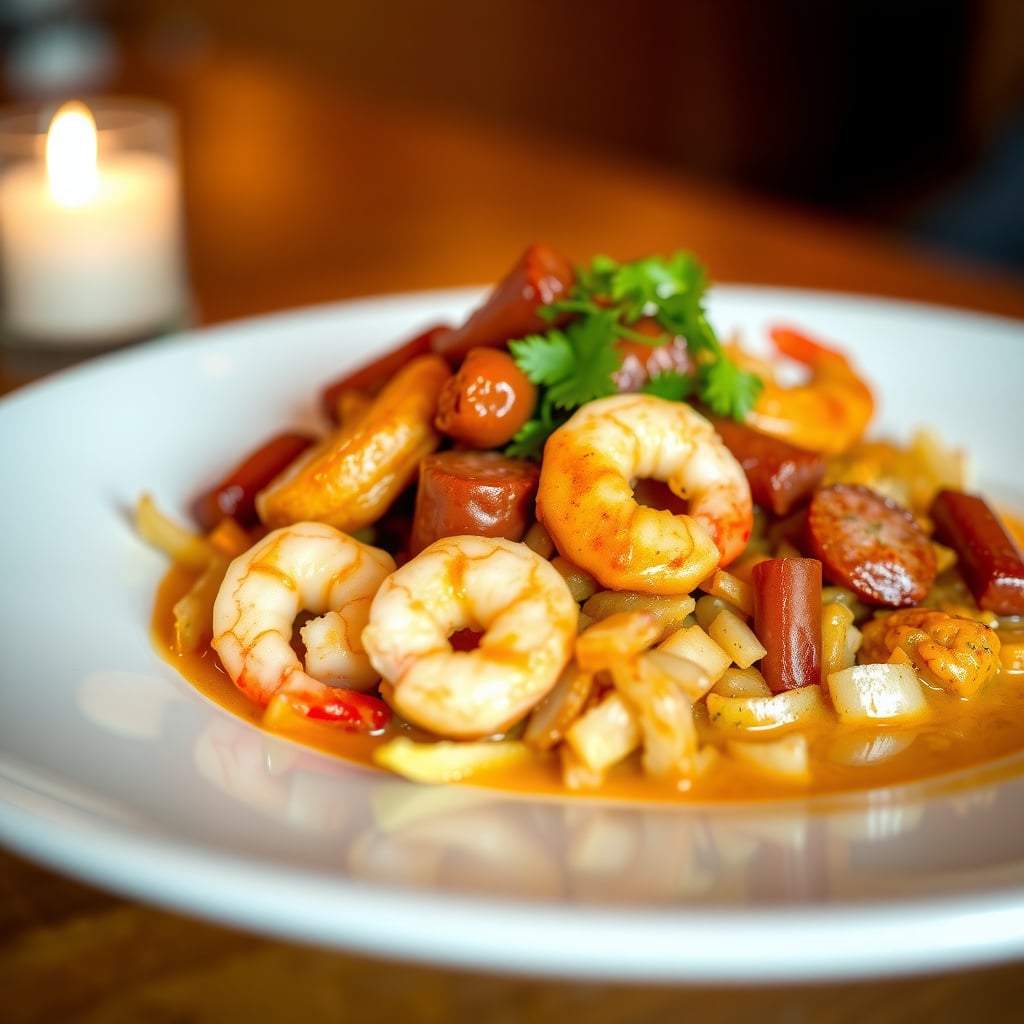
Creole Shrimp and Andouille Jambalaya
70min
4
View Full Recipe →
Ready to simplify your meal planning?
Let OttoChef AI create personalized meal plans for your family in seconds.