
Building Flavor Bases: One Cook, Multiple Meals Made Easy
Master the art of flavor bases to transform your meal prep. Learn how soffritto, mirepoix, and other foundation techniques create diverse dishes from one starting point.
Alex Thompson
Food Editor
March 23, 2026
6 min read
14 views
You stare at your fridge on Wednesday night, trying to remember why you thought buying three pounds of ground meat was a good idea. By now, you've made tacos twice, and the thought of another taco Tuesday makes you want to order takeout. Sound familiar?
The secret professional cooks use isn't complicated recipes or exotic ingredients—it's understanding flavor bases. These aromatic foundations are the backbone of countless dishes across world cuisines, and learning to build them strategically transforms meal prep from repetitive to revolutionary.
What Makes a Flavor Base?
A flavor base is a combination of aromatic vegetables, herbs, and sometimes proteins cooked together to create a foundational flavor profile. Think of it as the canvas upon which you'll paint your meal. The French have mirepoix, Italians use soffritto, Cajun cooking starts with the holy trinity, and Chinese cuisine builds on ginger-garlic-scallion combinations.
The brilliance lies in their versatility. Cook a large batch on Sunday, portion it out, and you've got the starting point for soups, stews, pasta sauces, grain bowls, and more—each tasting distinctly different based on what you add later.
The Science of Aromatics
When you cook onions, garlic, celery, and carrots slowly in fat, you're not just softening them. You're triggering the Maillard reaction and caramelization, which create hundreds of new flavor compounds. These compounds form a complex base that makes everything you add afterward taste more developed and restaurant-quality.
The Core Technique: Building Layers
Regardless of which cultural tradition you're drawing from, the technique remains consistent: aromatics meet fat, heat develops flavor, and time creates depth.
Start with Fat
Choose your fat based on your end goal. Olive oil suits Mediterranean dishes, butter works for French preparations, coconut oil complements Asian flavors, and rendered pork fat (or neutral oil) supports Latin American cooking. Heat it gently—you're not searing, you're coaxing.
Add Aromatics in Order
Hardest vegetables go in first. Onions and carrots need more time than garlic or ginger. This staged approach prevents burning delicate ingredients while fully developing the sturdier ones. Listen for the sizzle, watch for translucency, and smell for sweetness.
Season Early
Salt draws out moisture and concentrates flavors. Adding it at the base-building stage seasons from the inside out, creating depth that can't be achieved by salting at the end.
Cook to the Right Stage
Different dishes need different levels of caramelization. A light sauté preserves brightness for Asian stir-fries, while deeply caramelized bases add richness to French onion soup or Bolognese.
Strategic Flavor Base Meal Prep
Here's where meal prep gets smart. Instead of cooking complete dishes in advance, prepare flavor bases that branch into multiple directions.
The Mediterranean Base: Sauté diced onions, minced garlic, and tomato paste in olive oil until fragrant. This becomes:
- Greek-style lentil soup (add lentils, oregano, lemon)
- Shakshuka (add peppers, cumin, eggs)
- Pasta puttanesca (add olives, capers, anchovies)
- White bean stew (add beans, rosemary, kale)
Batch Size Strategy
Cook your base in a large, wide pan rather than a deep pot. More surface area means better caramelization and faster cooking. A 12-inch skillet can handle enough base for 4-6 meals without crowding.
The Asian Aromatics Foundation: Ginger, garlic, and scallions (whites only) cooked in neutral oil create the backbone for:
- Fried rice (add day-old rice, soy sauce, vegetables)
- Stir-fry sauce base (add protein, vegetables, cornstarch slurry)
- Hot and sour soup (add broth, tofu, vinegar, white pepper)
- Noodle dishes (add sesame oil, chili paste, greens)
"The difference between good home cooking and great home cooking often comes down to taking an extra five minutes to properly develop your aromatics."
Chef's wisdomThe Latin American Trinity: Equal parts onion, bell pepper, and celery sautéed until soft form the base for:
- Black bean soup (add beans, cumin, bay leaves)
- Jambalaya (add rice, protein, Cajun spices)
- Picadillo (add ground meat, olives, raisins)
- Red beans and rice (add beans, smoked paprika, thyme)
Storage and Deployment
Properly stored flavor bases last 4-5 days refrigerated or 3 months frozen. Portion them into containers or ice cube trays based on typical usage—two cups for a family dinner, half a cup for a quick lunch bowl.
The Garlic Rule
Garlic burns easily and can turn bitter. If your base will be frozen, undercook the garlic slightly. It'll finish cooking when you reheat and build your final dish. For refrigerated bases meant for use within days, cook garlic fully but watch it carefully.
When ready to use, reheat your base in a pan with a splash of oil or butter. This reactivates the flavors and provides a fresh-cooked taste. Then add your proteins, grains, legumes, or vegetables, along with cuisine-specific spices and liquids.
Customization Through Spices and Acids
The same base transforms completely based on what you add in the final cooking stage:
From One Onion-Garlic-Tomato Base:
- Add cumin, coriander, turmeric → Indian-inspired curry
- Add oregano, cinnamon, allspice → Greek-style stew
- Add smoked paprika, saffron → Spanish-influenced dish
- Add basil, fennel, red wine → Italian pasta sauce
Acids applied at the end—lemon juice, vinegar, wine—brighten and define the flavor profile. A squeeze of lime takes your dish Latin, rice vinegar points it Asian, and lemon juice suggests Mediterranean.
The Freezer Hack
Freeze bases flat in zip-top bags. They stack efficiently, thaw quickly, and break into pieces if you only need a portion. Label with the base type and date—future you will be grateful.
Scaling Up Without Burning Out
The beauty of this approach is scalability without monotony. Instead of eating the same chili four nights in a row, you eat different dishes that all started from the same thirty-minute Sunday prep session.
Start with one or two base types. Master the technique, understand how they transform, and gradually expand your repertoire. Soon you'll intuitively know which base suits your mood, your ingredients, and your timeline.
Restaurant Secret
Professional kitchens keep multiple bases prepped in their walk-ins. When an order comes in, they're not starting from scratch—they're building on foundations prepared during prep hours. You're simply bringing that efficiency home.
Making It Work in Real Life
The most successful meal preppers don't follow rigid plans—they create flexible frameworks. Your flavor bases are that framework. They eliminate the hardest part of weeknight cooking (building flavor from nothing) while preserving the fun part (customizing to your current cravings).
This Wednesday, when you open that fridge, you won't see "leftovers." You'll see possibilities. That container of soffritto becomes minestrone tonight and pasta e fagioli tomorrow. The Asian aromatics base turns into fried rice today and spicy noodles later this week. Same starting point, completely different destinations.
That's not meal prep magic—it's meal prep strategy. And it's the difference between surviving the week and actually enjoying what you cook.
Try This Recipe
Now that you've learned about how to build flavor bases that work across multiple dishes, put your knowledge into practice with this recipe:
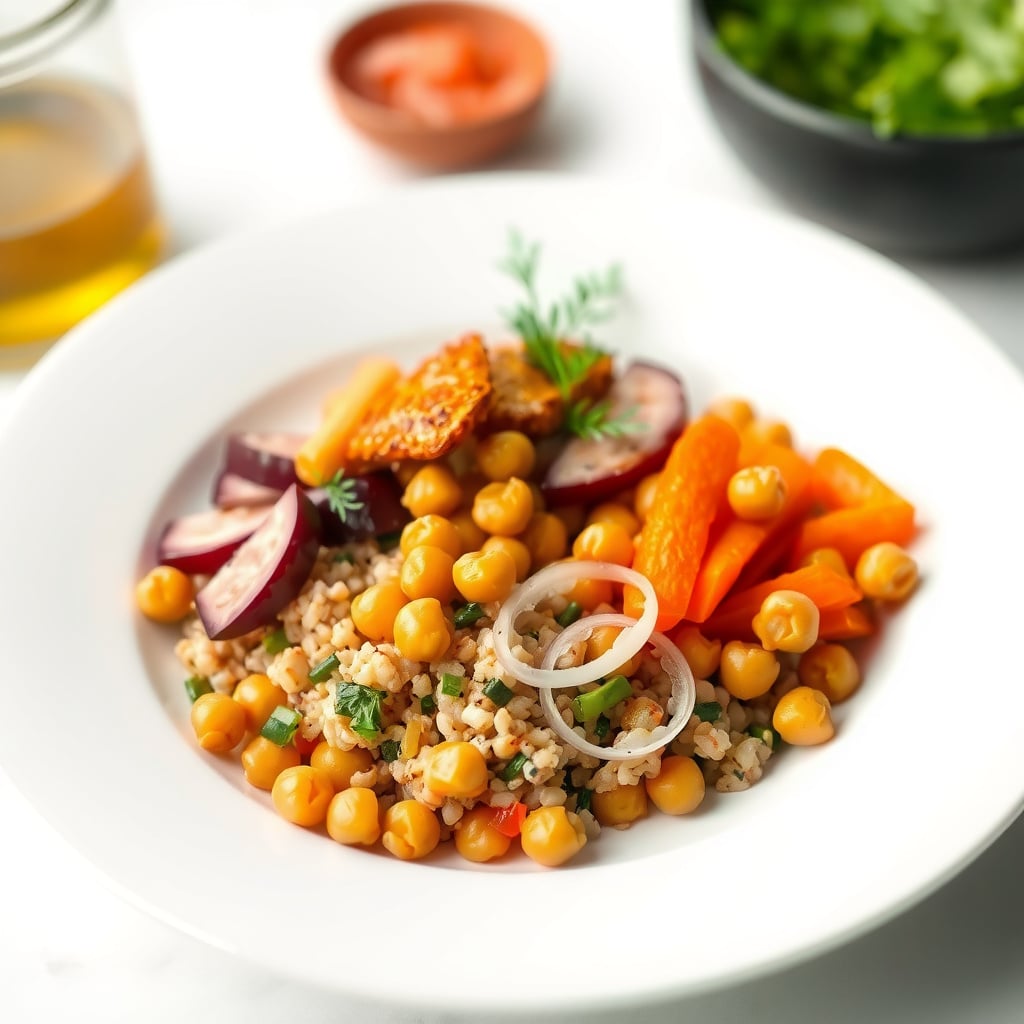
Mediterranean Flavor Base Grain Bowl with Crispy Chickpeas
50min
4
View Full Recipe →
Ready to simplify your meal planning?
Let OttoChef AI create personalized meal plans for your family in seconds.