
Breakfast for Dinner: Why Families Love This Comfort Food Strategy
Learn why breakfast for dinner works so well for families, plus expert techniques for elevating pancakes, eggs, and morning favorites into satisfying evening meals.
Sofia Rossi
Kitchen Editor
February 18, 2026
7 min read
8 views
Your kids drag themselves to the dinner table after a long day of school and activities. You're exhausted from work. Everyone's hungry, but nobody wants anything complicated. Then you announce: "We're having pancakes for dinner." Suddenly, tired faces light up with genuine excitement.
Breakfast for dinner—affectionately called "brinner" in many households—solves one of family cooking's biggest challenges: creating meals that satisfy both adults craving comfort and children resisting unfamiliar foods. But this isn't about giving up or taking shortcuts. Understanding why breakfast foods work so well in the evening, and how to prepare them properly, transforms this strategy from survival mode into a legitimate approach to weeknight cooking.
Why Breakfast Foods Work for Dinner
Breakfast items carry powerful psychological associations with comfort, simplicity, and positive morning routines. When served in the evening, they create a sense of occasion—a small rule-breaking that feels special without requiring extra effort. For children especially, breakfast foods often represent "safe" choices: familiar flavors, recognizable textures, and predictable outcomes.
From a practical standpoint, most breakfast preparations cook quickly and use ingredients already in your pantry. Eggs cook in minutes. Pancake batter comes together faster than most pasta sauces. French toast requires only bread, eggs, and milk. This speed matters when everyone's genuinely hungry and patience runs thin.
The Protein Advantage
Breakfast foods naturally center on eggs and dairy, providing substantial protein that keeps families satisfied through the evening. A dinner of scrambled eggs with cheese delivers more protein than many traditional dinner options.
Elevating Eggs Beyond Breakfast
Eggs deserve recognition as one of cooking's most versatile foundations. The same ingredient that makes a simple scramble for breakfast can create sophisticated dinner preparations when you understand basic techniques.
For scrambled eggs, low and slow beats high and fast every time. Use medium-low heat and stir constantly with a silicone spatula, scraping the bottom and sides of the pan. The eggs should take 4-5 minutes to cook, forming soft, creamy curds rather than rubbery chunks. Pull the pan off the heat when the eggs still look slightly underdone—they'll continue cooking from residual heat.
The French Omelet Technique
Heat your pan until a drop of water sizzles immediately. Add butter, let it foam, then pour in beaten eggs. Using a fork, rapidly stir in a circular motion while shaking the pan back and forth. This creates tiny, tender curds.
Setting the Omelet
Once the eggs are mostly set but still slightly wet on top, stop stirring. Let the bottom set for 30 seconds, then tilt the pan and fold the omelet in thirds using your fork or spatula.
The Final Touch
Slide the omelet onto a plate seam-side down. The residual heat will finish cooking the inside while the outside stays tender. The entire process takes less than 2 minutes.
Frittatas offer another egg-based option that feeds families efficiently. Unlike omelets, frittatas cook slowly and evenly, starting on the stovetop and finishing under the broiler. This two-stage cooking method means you can walk away—no constant attention required. Add whatever vegetables need using up, some cheese, maybe leftover cooked potatoes or pasta, and you've created a complete meal that slices like a pie.
"The beauty of breakfast for dinner isn't convenience alone—it's the way familiar foods in unexpected contexts create genuine family moments."
Chef Gabrielle HamiltonMastering Pancakes and Waffles
Pancakes seem straightforward until you notice how restaurant versions differ from home attempts. Professional results come from understanding batter chemistry and heat management.
The biggest mistake home cooks make: overmixing pancake batter. When you stir flour and liquid together, gluten proteins begin forming networks. More mixing means more gluten development, which creates tough, chewy pancakes instead of tender, fluffy ones. Mix just until the dry ingredients disappear into the wet—lumps are completely fine and will smooth out during cooking.
The Batter Rest
Let your pancake batter rest for 5-10 minutes before cooking. This allows the flour to fully hydrate and the gluten to relax, resulting in more tender pancakes. Don't skip this step.
Heat control separates mediocre pancakes from exceptional ones. Most home cooks use heat that's too high, creating pancakes that brown too quickly on the outside while staying raw in the middle. Medium heat (around 350°F if you have an electric griddle) gives the inside time to cook through while the outside develops that golden-brown color. You'll know the temperature is right when a drop of batter sizzles gently but doesn't immediately brown.
Watch for bubbles forming on the pancake's surface—but don't flip too early. Wait until those bubbles pop and leave small holes, and the edges look set and slightly dry. This takes patience, usually 2-3 minutes for the first side. The second side cooks faster, needing only 1-2 minutes.
Building a Better Breakfast-for-Dinner Strategy
The most successful breakfast-for-dinner meals balance familiar favorites with enough variety to feel complete. A plate of plain scrambled eggs might disappoint, but those same eggs served alongside roasted potatoes, fresh fruit, and toast creates a satisfying dinner experience.
Think about textural contrast. Crispy bacon or sausage alongside soft scrambled eggs. Crunchy granola or nuts scattered over yogurt and fruit. Buttery toast next to creamy eggs. These contrasts make meals more interesting without adding complexity.
The European Perspective
In many European countries, bread, cheese, eggs, and cold cuts constitute normal dinner fare. The American distinction between "breakfast foods" and "dinner foods" is more cultural convention than nutritional necessity.
Seasoning matters more at dinner than breakfast. Morning appetites tolerate bland food better than evening ones. When preparing breakfast foods for dinner, season more assertively. Add fresh herbs to scrambled eggs—chives, dill, or parsley transform them. Use good butter. Sprinkle flaky salt on finished dishes. These small touches acknowledge that dinner deserves more attention than rushed weekday breakfasts.
French Toast and the Art of Custard
French toast demonstrates a fundamental cooking technique: creating custard. Whether you're making French toast, quiche, or crème brûlée, you're working with the same basic principle—eggs and dairy combining to create a creamy, cohesive mixture.
The ratio matters: roughly one egg per quarter cup of milk or cream. Too much egg makes French toast eggy and dense. Too much milk makes it soggy. Whisk them together thoroughly—you want complete integration, no streaks of egg white.
Bread selection changes everything. Fresh, soft sandwich bread absorbs too much custard and falls apart. Day-old bread with some structural integrity—challah, brioche, or sturdy white bread—soaks up custard while maintaining its shape. If your bread is fresh, leave slices out for an hour to dry slightly, or toast them lightly.
The Soak Time
Don't just dip bread quickly through custard. Let each slice soak for 20-30 seconds per side, allowing the custard to penetrate throughout. The bread should feel heavy and saturated but not falling apart.
Cook French toast over medium heat in butter, not oil. Butter adds flavor and helps create that golden-brown crust. Each side needs 3-4 minutes—enough time for the custard inside to cook through and set. Undercooked French toast tastes eggy and has an unpleasant texture. Properly cooked French toast has a crispy exterior and a creamy, custardy interior.
Making It Work for Your Family
The best breakfast-for-dinner meals happen when you stop apologizing for them. This isn't a cop-out or a failure to plan—it's a legitimate strategy that leverages familiar foods, quick cooking times, and broad appeal. Own it.
Involve kids in preparation. Breakfast foods offer perfect opportunities for young helpers: whisking eggs, measuring flour, arranging fruit, or buttering toast. These simple tasks build confidence and investment in the meal.
Create your own traditions around breakfast for dinner. Maybe it's Friday night pancakes after a long week. Maybe it's Sunday evening waffles before the week begins. Regular rhythms give families something to anticipate and create shared memories around simple meals.
Remember that comfort food serves a purpose beyond nutrition. After difficult days, familiar foods provide emotional sustenance alongside physical nourishment. Breakfast for dinner acknowledges that sometimes what families need most isn't culinary adventure—it's the reassurance of foods that feel like home.
The next time you're staring into your refrigerator wondering what to make for dinner, consider the eggs, bread, and milk already there. With proper technique and a bit of confidence, those humble breakfast ingredients become exactly what your family needs: a satisfying, comforting dinner that brings everyone happily to the table.
Try This Recipe
Now that you've learned about breakfast for dinner: family-friendly comfort meals, put your knowledge into practice with this recipe:
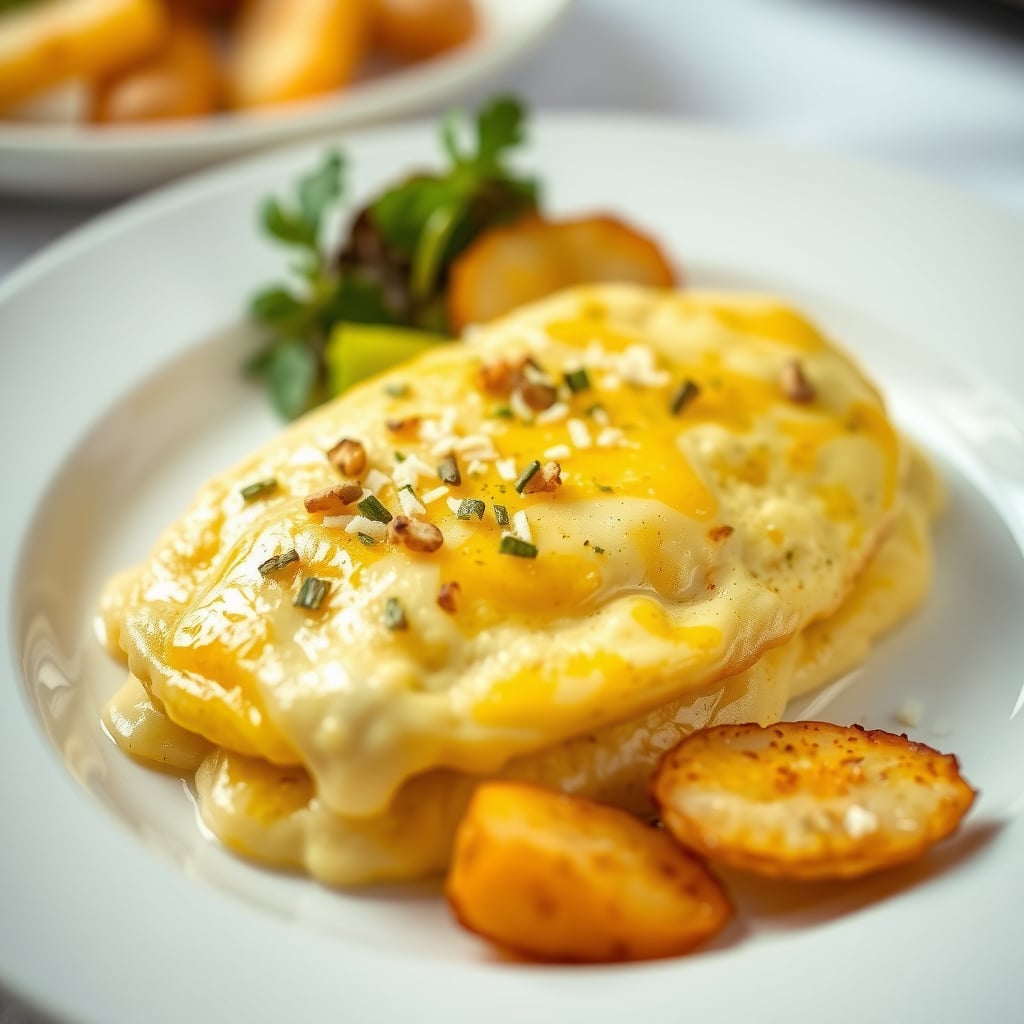
Savory Herb and Cheese Soufflé Omelet with Crispy Potatoes
40min
4
View Full Recipe →
Ready to simplify your meal planning?
Let OttoChef AI create personalized meal plans for your family in seconds.