
Breakfast for Dinner: Why 'Brinner' Works for Busy Families
Transform hectic weeknights with breakfast for dinner. Learn why brinner works, master quick techniques, and discover how simple ingredients become family favorites.
Sarah Mitchell
Test Kitchen Director
April 17, 2026
7 min read
5 views
You're staring at the clock. It's 6:15 PM on a Tuesday, everyone's hungry, and the thought of starting a complex dinner recipe feels overwhelming. This is exactly when breakfast for dinner—affectionately called "brinner"—becomes your secret weapon.
Breakfast foods aren't just acceptable for dinner; they're often superior choices for busy weeknights. They're faster to prepare, use ingredients most families already stock, and carry a comfort factor that helps even picky eaters relax at the table. But beyond convenience, brinner teaches us valuable lessons about cooking efficiently and building flavors quickly.
Why Breakfast Foods Work After Dark
Breakfast dishes succeed at dinner for practical reasons rooted in culinary science. Eggs cook in minutes, pancakes require minimal prep, and most breakfast proteins need less cooking time than traditional dinner meats. The techniques involved—whisking, flipping, quick sautéing—are accessible to cooks at any skill level, including older children who want to help.
The psychological component matters too. Breakfast foods feel indulgent and rule-breaking when served at dinner, which transforms an ordinary weeknight into something memorable without extra effort. Kids especially respond to this playful twist on routine.
The Temperature Sweet Spot
For fluffy scrambled eggs or omelets, cook over medium-low heat. High heat creates rubbery eggs. The goal is gentle, controlled coagulation of proteins—you should be able to hold your hand an inch above the pan for 4-5 seconds comfortably.
Mastering the Core Techniques
Successful brinner relies on a handful of fundamental techniques. Master these, and you'll have dozens of meal possibilities at your fingertips.
The Perfect Pancake Flip
Heat your pan to medium (a drop of water should sizzle and evaporate in 2-3 seconds). Pour batter and wait—don't touch it. When bubbles form across the surface and edges look set, slide your spatula underneath in one smooth motion and flip quickly. The second side needs only 30-45 seconds.
Building Flavor in Scrambled Eggs
Whisk eggs with a splash of milk or cream and a pinch of salt before they hit the pan. Use butter for flavor. Stir gently with a spatula, pushing eggs from the edges to the center. Remove from heat when they still look slightly wet—they'll finish cooking from residual heat.
Crispy-Edged French Toast
Use day-old bread (it absorbs custard better without getting soggy). Whisk eggs with milk, vanilla, and cinnamon. Soak bread for 20 seconds per side—no longer or it falls apart. Cook in butter over medium heat until golden, about 3 minutes per side.
The beauty of these techniques is their flexibility. Once you understand the principles, you can adapt them endlessly. Add cheese to scrambled eggs, fold vegetables into pancake batter, or stuff French toast with cream cheese.
"The best family meals aren't always the most complex. Sometimes they're the ones that let you sit down together while the food is still hot."
Julia Child (adapted)The Strategic Advantage of Breakfast Proteins
Eggs, bacon, and sausage cook faster than chicken breasts or pork chops, but speed isn't their only advantage. These proteins are forgiving for less experienced cooks and predictable in their behavior.
Bacon renders its own fat, creating flavor for potatoes or vegetables cooked in the same pan. Sausage—whether links or patties—offers pre-seasoned protein that needs only browning. Eggs provide complete protein in minutes and accept countless additions: cheese, herbs, vegetables, leftover meats.
The Egg Safety Zone
Eggs are safe to eat when whites are completely set and yolks begin to thicken. For scrambled eggs, cook to 160°F (71°C) internal temperature. Runny yolks are safe for most people when eggs are fresh and properly stored, but cook fully for young children, pregnant women, and those with compromised immune systems.
This protein versatility means you can build complete, balanced meals quickly. Pair eggs with whole grain toast and fruit. Serve pancakes with Greek yogurt and berries. Add spinach and tomatoes to omelets. Breakfast architecture naturally supports balanced nutrition.
Building Depth Without Time
Breakfast foods might cook quickly, but that doesn't mean they lack sophistication. The key is layering flavors efficiently.
Toast spices before adding them to pancake batter—30 seconds in a dry pan wakes up cinnamon, nutmeg, or cardamom. Brown butter before scrambling eggs for a nutty richness that feels restaurant-quality. Caramelize onions while bacon cooks, then fold both into a frittata.
Syrups and sauces provide another layer. Real maple syrup costs more but delivers complex flavor that pancake syrup can't match. A quick berry compote—frozen berries simmered with a touch of sugar and lemon juice for 5 minutes—elevates French toast dramatically. Hot sauce, salsa, or pesto transforms scrambled eggs from basic to bold.
The Soggy Pancake Problem
Stack pancakes directly on top of each other and steam makes them soggy. Instead, place them in a single layer on a baking sheet in a 200°F (93°C) oven while you finish the batch. They'll stay warm and crisp.
Getting Kids Involved
Breakfast for dinner offers perfect opportunities for children to develop cooking skills. The techniques are straightforward, cooking times are short (maintaining attention spans), and the foods are familiar.
Younger children can whisk eggs, measure ingredients, or arrange fruit. Older kids can flip pancakes, monitor bacon, or assemble breakfast sandwiches. The quick feedback loop—they cook something and eat it fifteen minutes later—builds confidence faster than dishes requiring long cooking times.
This hands-on involvement serves multiple purposes. Kids learn practical skills, develop math and reading comprehension through following recipes, and gain appreciation for meal preparation. They're also more likely to eat foods they helped create.
The Mise en Place Advantage
Before turning on any heat, arrange all ingredients and tools within reach. This French culinary principle ("everything in its place") prevents burned food while you search for the spatula. For brinner, this might mean: eggs whisked in a bowl, butter by the stove, cheese grated, vegetables chopped, spatula and plates ready.
Beyond the Obvious Choices
While pancakes and eggs are brinner staples, the category extends further. Breakfast sandwiches become handheld dinners. Breakfast burritos packed with eggs, beans, cheese, and salsa offer complete nutrition in a tortilla. Shakshuka—eggs poached in spiced tomato sauce—brings Middle Eastern flavors to the table with minimal effort.
Granola and yogurt parfaits work as light dinners on hot summer evenings. Oatmeal becomes savory when topped with fried eggs, scallions, and soy sauce—a technique borrowed from Asian cuisine. Hash transforms leftover potatoes, vegetables, and proteins into crispy, satisfying meals.
The point isn't to eat traditional breakfast every night. It's recognizing that breakfast techniques and ingredients solve real dinner challenges: limited time, variable cooking skills among family members, need for comfort, and desire for foods that bring people together.
Making It Work Long-Term
Incorporating brinner into regular rotation requires minor pantry adjustments. Keep eggs stocked (they last 3-5 weeks refrigerated). Freeze bacon and sausage for longer storage. Stock pancake mix or keep flour, baking powder, and sugar on hand for from-scratch versions. Maintain bread in the freezer for French toast.
These ingredients multitask beyond breakfast-for-dinner, making them worthy investments. Eggs work in dozens of dishes. Bacon adds flavor to soups and salads. Pancake batter becomes waffles or crepes with minor adjustments.
The Science of Fluffy Pancakes
Pancakes rise from two chemical reactions: baking powder's release of carbon dioxide when wet and when heated, plus steam from liquid evaporation. Overmixing develops gluten, making pancakes tough. Stir just until ingredients combine—lumps are fine. Let batter rest 5 minutes before cooking for even fluffier results.
The real value of brinner isn't novelty—it's sustainability. These are meals you can execute on your worst days, when energy is low and patience is thin. They don't require elaborate planning or specialized ingredients. They succeed because they're fundamentally simple, which isn't a weakness in cooking. It's often the highest form of skill.
When dinner feels like a burden rather than a pleasure, breakfast foods remind us that nourishing our families doesn't require complexity. Sometimes the best answer is the simplest one: eggs in a pan, bread in the toaster, and everyone around the table while the food is still hot.
Try This Recipe
Now that you've learned about breakfast for dinner: family-friendly comfort meals, put your knowledge into practice with this recipe:
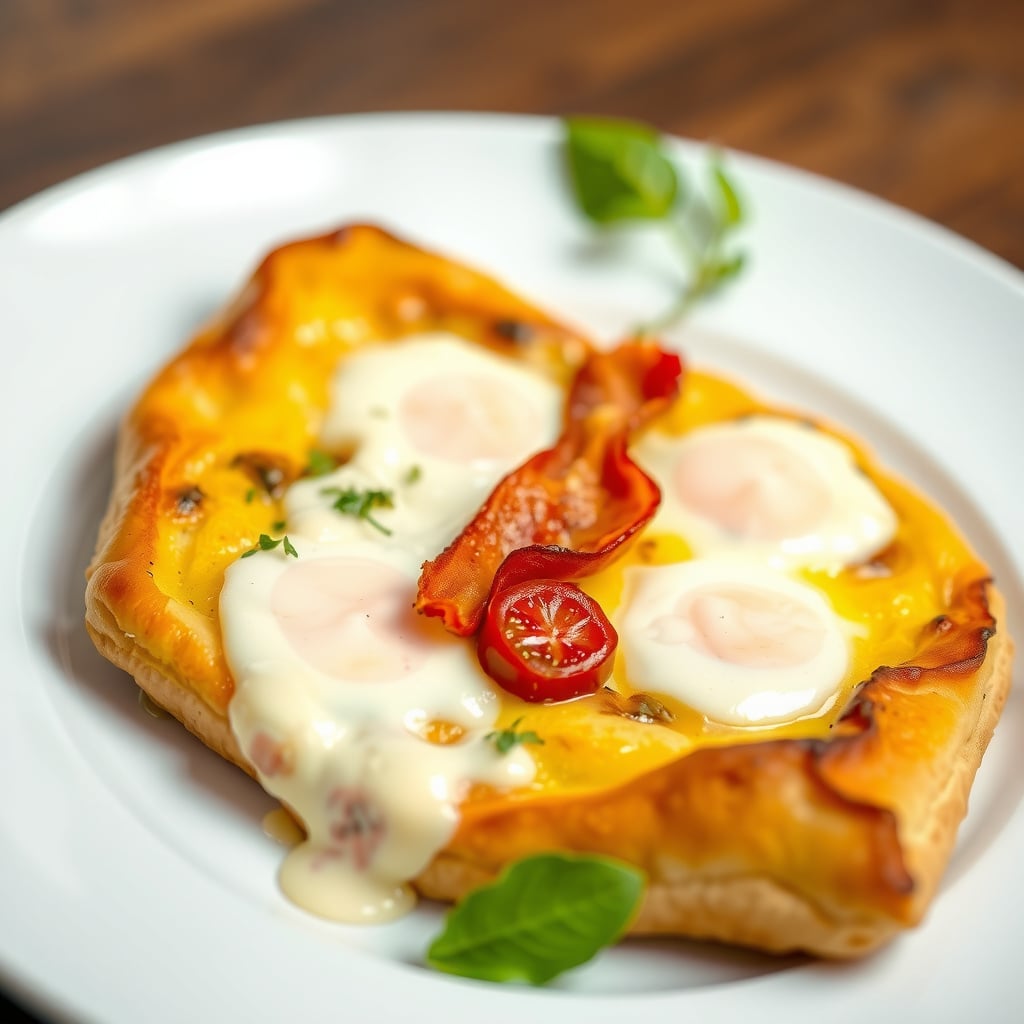
Savory Herb & Cheese Dutch Baby with Bacon and Roasted Tomatoes
40min
4
View Full Recipe →
Ready to simplify your meal planning?
Let OttoChef AI create personalized meal plans for your family in seconds.