
Beyond Mixing: Unlock Your Stand Mixer's Hidden Potential
Your stand mixer can do so much more than whip cream. Discover professional techniques for pasta, grinding meat, and creative uses that transform this kitchen workhorse.
Sofia Rossi
Kitchen Editor
February 9, 2026
9 min read
8 views
If your stand mixer only comes out for cookie dough and cake batter, you're using about 10% of its potential. That powerful motor sitting on your counter is actually one of the most versatile tools in your kitchen—a genuine workhorse that professional chefs and home cooks alike rely on for tasks far beyond simple mixing.
The truth is, most home cooks invest in a quality stand mixer and then barely scratch the surface of what it can do. Whether you own a vintage hand-me-down or a brand-new model, understanding the full range of your mixer's capabilities can revolutionize your cooking routine and open doors to techniques you might have thought required specialized equipment.
Understanding Your Mixer's Power
Before we dive into specific techniques, it's important to understand what makes a stand mixer so versatile. That motor—typically ranging from 250 to 575 watts in home models—provides consistent, hands-free power that can handle everything from delicate emulsifications to heavy-duty kneading. The key is learning to harness that power appropriately for different tasks.
Power Ratings Matter
A 325-watt mixer handles most home baking tasks beautifully, while 500+ watt models can tackle bread doughs with high hydration and meat grinding. Know your mixer's limits to avoid motor strain.
The Art of Bread and Pasta Dough
While many home bakers still knead by hand, your stand mixer excels at developing gluten in bread dough—and it's far more consistent than manual kneading. The dough hook attachment mimics the stretch-and-fold motion of hand kneading, but with perfect rhythm and tireless consistency.
Autolyse First
Mix flour and water on low speed for just 30 seconds, then let rest for 20-30 minutes. This allows flour to fully hydrate before adding salt and yeast.
Low and Slow Kneading
Use speed 2 (never higher than 4) for bread dough. The mixer should sound steady, not strained. Knead for 8-10 minutes until the dough cleans the bowl sides and passes the windowpane test.
Temperature Check
Friction from kneading generates heat. If your dough exceeds 78°F (25°C), it can over-ferment. Use cold water in summer, room temperature in winter.
For pasta dough, the mixer transforms what can be an arm-burning workout into a five-minute task. Fresh pasta dough requires significant kneading to develop the right texture, and the mixer's consistent motion creates silky, elastic dough that's a pleasure to roll out.
The Pasta Dough Sweet Spot
Mix pasta dough on speed 2 for exactly 3-4 minutes. It should look shaggy and barely come together—that's perfect. Over-mixing makes pasta tough and difficult to roll.
Emulsification Excellence
One of the most underutilized capabilities of your stand mixer is creating stable emulsions—those magical combinations of fat and liquid that would normally separate. Mayonnaise, aioli, hollandaise, and even vinaigrettes benefit from the mixer's consistent whisking action.
The secret to perfect mayonnaise isn't just the recipe—it's the slow, steady incorporation of oil while the whisk maintains constant motion. Doing this by hand requires the coordination of a circus performer. Your mixer? It handles this effortlessly.
"The stand mixer doesn't get tired, doesn't get distracted, and doesn't speed up when your arm gets sore. It's the perfect emulsification partner."
Jacques Pépin, culinary legendStart with room-temperature egg yolks and mustard in the bowl, whisk on medium speed, then drizzle—truly drizzle, not pour—your oil in the thinnest possible stream. The mixer's consistent speed creates tiny oil droplets that suspend perfectly in the egg mixture, building a thick, glossy emulsion that would make any French chef proud.
The Emulsion Breaking Point
If you add oil too quickly, the emulsion breaks and you get a greasy, separated mess. Fix it by starting fresh with a new egg yolk and slowly whisking in the broken mixture as if it were oil.
Meat Grinding and Sausage Making
This is where your mixer truly earns its keep. With a meat grinder attachment, you can grind custom burger blends, make fresh sausages, and control exactly what goes into your ground meat—no mystery additives, no uncertainty about freshness.
The key to successful meat grinding is temperature control. Professional butchers keep everything ice-cold because warm fat smears instead of cutting cleanly, resulting in mushy, poorly textured ground meat.
The Freezer is Your Friend
Place your meat chunks, grinding blade, and die plate in the freezer for 30 minutes before grinding. The meat should be firm but not frozen solid—around 32-35°F is ideal.
For burgers, try grinding your own blend: 70% chuck for flavor, 20% short rib for richness, and 10% brisket for that perfect fat ratio. Run it through on the coarse die, and you'll taste the difference immediately—the texture is lighter, the flavor more pronounced, and you'll never go back to pre-ground meat.
Sausage making follows the same principles but requires even more attention to temperature and technique. The mixer's consistent speed ensures even mixing of meat, fat, and seasonings without overworking the mixture, which would create a tough, rubbery texture.
Vegetable Processing and Shredding
The shredder/slicer attachment transforms your mixer into a food processor alternative, perfect for coleslaw, hash browns, or any recipe requiring uniformly shredded vegetables. The advantage over a food processor? Continuous feeding—you're not limited by bowl capacity.
For the crispiest hash browns, shred potatoes on the coarse setting, then immediately submerge in ice water to remove excess starch and prevent browning. The mixer's consistent shredding creates uniform pieces that cook evenly.
Beyond Vegetables
The shredder attachment handles cold butter beautifully for pastry making, creates perfect cheese shreds that melt evenly, and even processes cold cooked chicken for chicken salad in seconds.
Ice Cream and Frozen Desserts
With an ice cream maker attachment, your mixer becomes a frozen dessert machine. But here's what most people don't know: the mixer's consistent churning speed is actually superior to many standalone ice cream makers because it incorporates air at a steady rate, creating smoother texture.
The technique that separates good ice cream from great is controlling ice crystal formation. Your mixer helps by churning steadily for 20-25 minutes—long enough to freeze the mixture but not so long that ice crystals grow large and grainy.
The Soft-Serve Secret
Stop churning when the ice cream reaches soft-serve consistency, then transfer to a freezer-safe container. This prevents over-churning, which can make ice cream grainy and create an icy texture.
Whipping and Aerating
While everyone knows the mixer can whip cream, fewer understand the science of getting it perfectly right every time. The key is knowing when to stop—and your mixer's consistent speed makes this predictable.
For whipped cream, start with cold cream and a cold bowl. Use medium-high speed and watch carefully. Soft peaks form when the cream just holds its shape but the peaks flop over. Medium peaks stand up but the tips curl. Stiff peaks stand straight up—perfect for piping but one step away from butter.
The Point of No Return
There's about a 30-second window between perfect whipped cream and butter. Once you see the mixture looking slightly grainy or yellowish, stop immediately. You can't reverse over-whipping.
For meringues, the mixer's ability to maintain consistent speed while you slowly add sugar is invaluable. French meringue requires sugar added gradually while whipping—too fast and the meringue won't stabilize properly. Your mixer lets you focus on the sugar stream while it handles the whipping.
Unconventional Uses
Here's where creative cooks get inventive. The paddle attachment, set on low speed, is perfect for shredding cooked chicken or pork for tacos and sandwiches—about 30 seconds of mixing and you're done. It's faster and more consistent than using two forks.
The mixer also excels at creaming butter and sugar for pastries—a crucial step that incorporates air and creates lighter cakes and cookies. Most recipes say "cream until light and fluffy," but what does that mean? With a stand mixer, you're looking for the mixture to nearly double in volume and turn pale yellow—usually 3-5 minutes on medium-high speed.
For mashed potatoes, use the paddle attachment on low speed for just 15-20 seconds. This creates creamy potatoes without the gluey texture that comes from over-mixing. The key is stopping before the starch cells rupture—the mixer's consistent speed makes timing predictable.
The Gentle Touch
When mixing delicate batters or mashing potatoes, use the lowest speed and mix for the shortest time possible. The mixer's power means you can accomplish in seconds what would take minutes by hand.
Maintenance and Care
To keep your mixer performing at its best, regular maintenance is essential. After each use, wipe down the motor housing (never submerge it) and wash attachments in warm, soapy water. The planetary gear system—the mechanism that makes the attachment move around the bowl—should be checked annually and re-greased if necessary.
If your mixer starts making unusual noises or the bowl wobbles, the height adjustment may need tweaking. The beater should just clear the bowl bottom—close enough to incorporate ingredients but not scraping. Most models have a simple screw adjustment to fix this.
Expanding Your Attachment Collection
While starter attachments handle basic tasks beautifully, specialty attachments open new culinary doors. A spiralizer turns vegetables into noodles. A grain mill grinds fresh flour. A pasta roller creates sheets for ravioli and lasagna. Each attachment leverages that powerful motor to accomplish tasks that would otherwise require separate appliances.
The investment in quality attachments pays dividends in versatility. Rather than cluttering your kitchen with single-purpose gadgets, your stand mixer becomes a multi-functional cooking platform that grows with your skills.
Putting It All Together
Your stand mixer is more than a baking tool—it's a gateway to techniques and dishes you might have thought were beyond reach. From fresh pasta to homemade sausage, from perfect mayonnaise to custom ice cream, this single appliance can transform your cooking repertoire.
The key is approaching your mixer with curiosity and a willingness to experiment. Start with one new technique that interests you. Master it. Then move on to the next. Before long, you'll wonder how you ever cooked without fully utilizing this remarkable machine.
The real magic happens when you stop seeing your mixer as just a mixing tool and start seeing it as what it truly is: a versatile kitchen partner that brings professional-level techniques within reach of any home cook willing to explore its potential.
Try This Recipe
Now that you've learned about maximizing your stand mixer: beyond just mixing, put your knowledge into practice with this recipe:
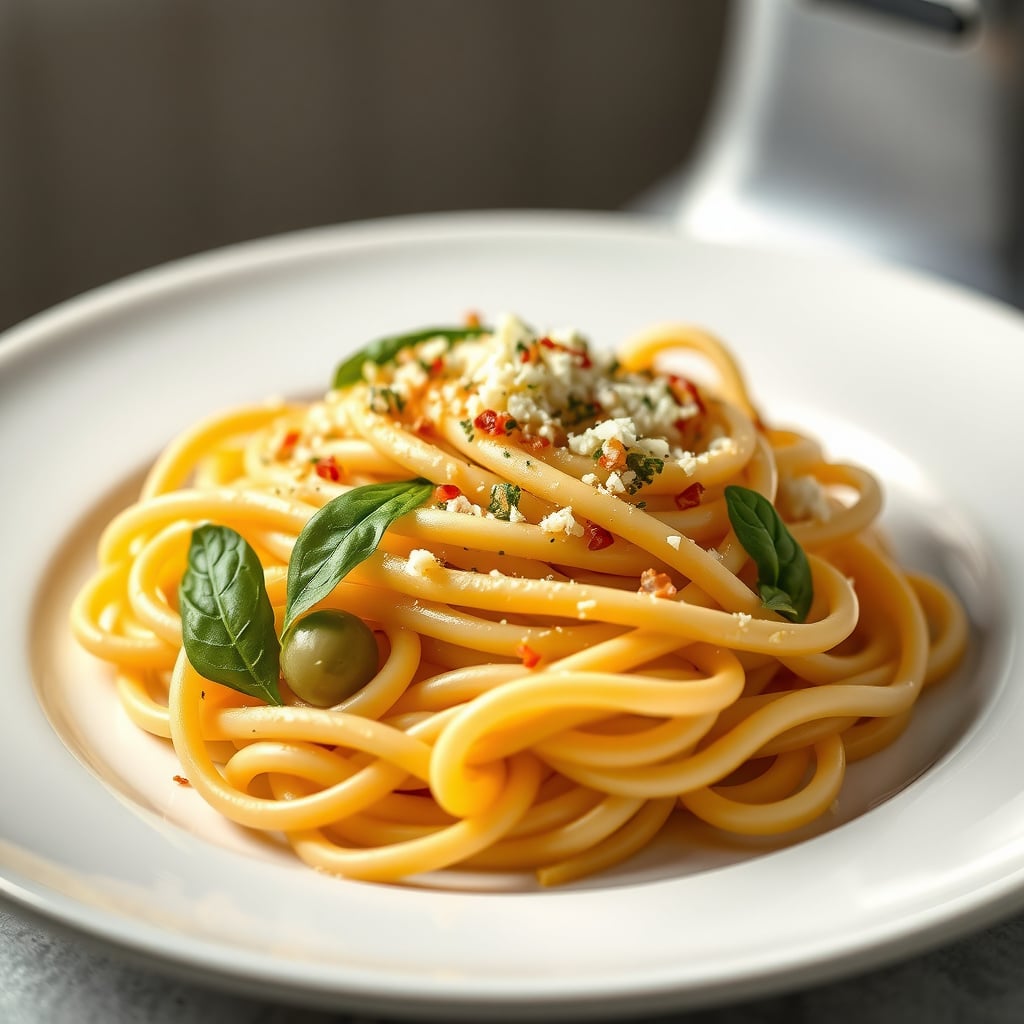
Fresh Pasta Carbonara with Stand Mixer Pasta Dough
60min
4
View Full Recipe →
Ready to simplify your meal planning?
Let OttoChef AI create personalized meal plans for your family in seconds.