
Batch Cooking Strategies That Actually Save Time on Weeknights
Master practical batch cooking techniques that transform chaotic weeknight dinners into stress-free meals. Learn strategic prep methods that work for real home cooks.
Sofia Rossi
Kitchen Editor
April 21, 2026
7 min read
5 views
You open the refrigerator at 6:30 PM on a Wednesday, staring at raw ingredients while your stomach growls and your energy tanks. Sound familiar? The promise of batch cooking—preparing multiple meals in advance—sounds perfect in theory, but many home cooks struggle to make it work in practice. The difference between batch cooking that fails and batch cooking that transforms your week lies in strategic thinking, not just cooking ahead.
Understanding the Batch Cooking Spectrum
Batch cooking isn't one-size-fits-all. The most successful meal preppers understand they're working along a spectrum, from full meal assembly to component preparation. Full meal prep—cooking complete dishes to reheat later—works beautifully for some foods (soups, casseroles, curries) but poorly for others (fresh salads, crispy proteins). Component cooking, where you prepare versatile building blocks, offers more flexibility and better eating quality throughout the week.
Start Small to Build the Habit
Don't attempt to prep seven dinners on your first Sunday. Start by batch cooking just 2-3 components: a grain, a protein, and roasted vegetables. Once this becomes routine, expand your repertoire. Overwhelming yourself leads to burnout, not sustainable meal prep.
The key is identifying which components stay fresh longest and combine in the most ways. A pot of seasoned beans works in tacos, grain bowls, soups, and salads. Roasted chicken thighs can be shredded for pasta, sliced for sandwiches, or served whole with vegetables. Plain white rice becomes fried rice, burrito filling, or congee base.
Strategic Component Selection
Think of your batch cooking in three categories: foundations, proteins, and flavor accelerators. Foundations include grains (rice, quinoa, farro), legumes (beans, lentils), and base sauces. These store well for 4-5 days and form the backbone of multiple meals. Proteins—whether animal or plant-based—should be cooked simply during batch prep, then finished with different seasonings throughout the week. Flavor accelerators are the secret weapon: pre-chopped aromatics, herb pastes, spice blends, and quick pickles that transform basic components into distinctive meals.
Cook Grains in Stock Instead of Water
This single change adds depth to every meal using that grain. Use vegetable stock for versatility, or chicken/beef stock if you know your week's meal direction. The extra flavor means your Monday grain bowl tastes as good as your Friday fried rice.
Prepare Proteins to 80% Doneness
For chicken breasts or pork chops, cook until just done, then finish in a hot pan with fresh seasonings when serving. This prevents the dry, overcooked texture of fully-cooked reheated proteins. For ground meat, brown completely but save sauce additions for meal assembly.
Roast Vegetables at High Heat
425°F creates caramelization that holds up through storage. Roast vegetables separately by type since they need different times: root vegetables need 35-40 minutes, while Brussels sprouts or broccoli need just 20-25 minutes. Don't crowd the pan—use two sheet pans if needed.
The Temperature Sweet Spot
Store batch-cooked components at 40°F or below within 2 hours of cooking. Use shallow containers (2-3 inches deep) so food cools quickly to safe temperatures. Glass containers are ideal because they don't retain odors and can go directly from fridge to microwave or oven.
The Mix-and-Match Matrix
The real power of component cooking emerges when you plan for variation. If you batch cook chicken, rice, and roasted vegetables on Sunday, you're not eating the same meal five times. Monday might be a teriyaki bowl with fresh cucumber and sesame. Wednesday becomes chicken fried rice with different vegetables and soy-ginger sauce. Friday transforms into a Mediterranean plate with tzatziki and a fresh tomato salad.
"The goal isn't eating identical meals all week—it's having a 15-minute head start every night."
Meal prep philosophyThis approach requires thinking backward from variety, not forward from a single recipe. Choose components that work across different cuisines and flavor profiles. Roasted sweet potatoes work in Mexican, Asian, and American contexts. Plain cooked chicken adapts to virtually any global cuisine depending on how you season it during final preparation.
Timing Your Batch Cooking
Most home cooks assume batch cooking requires a marathon Sunday afternoon. In reality, strategic timing works better. Consider splitting your prep: 30 minutes on Sunday for grains and legumes, 30 minutes on Wednesday for proteins and vegetables. This mid-week refresh prevents food fatigue and reduces storage time, keeping everything fresher.
Avoid the Refrigerator Traffic Jam
Batch cooking shouldn't fill every inch of your refrigerator. If you can't see what you have or access it easily, you won't use it. Limit batch prep to items that fit in your available storage space and that you'll realistically eat within 4-5 days.
Use your cooking methods strategically. While rice cooks on the stovetop, roast vegetables in the oven and simmer beans in a slow cooker. This parallel cooking makes efficient use of your time. Set timers for each component, and use the waiting periods to prep aromatics or clean as you go.
Flavor Boosters That Transform Components
The difference between boring batch cooking and exciting weeknight meals often comes down to fresh finishing touches. Keep these flavor accelerators on hand to transform your prepped components:
Fresh herbs change everything. A handful of cilantro turns batch-cooked black beans from plain to vibrant. Fresh basil elevates simple pasta and tomatoes into something restaurant-worthy.
Acid brightens reheated food. Squeeze fresh lemon over roasted vegetables, add lime to grain bowls, or splash rice vinegar into stir-fried components. Acid wakes up flavors that flatten during storage.
Textural contrasts prevent meal fatigue. Top soft, reheated components with toasted nuts, crispy fried shallots, or fresh radishes. The contrast between your batch-cooked base and fresh, crunchy toppings keeps meals interesting.
The 5-Minute Sauce Secret
Keep three sauce bases in your refrigerator: a tahini-lemon mixture, a soy-ginger blend, and a yogurt-herb combination. These transform the same components into completely different meals. Thin with water as needed and adjust seasoning just before serving.
Avoiding Common Batch Cooking Pitfalls
The most common mistake is over-seasoning during batch cooking. Components need to be versatile, which means seasoning moderately during prep and boldly during final assembly. A heavily cumin-spiced chicken limits your options; a simply seasoned chicken becomes anything.
Another pitfall is cooking everything to the same texture. Vary your techniques: some vegetables roasted, others raw or quick-pickled. Some proteins grilled, others poached. This textural variety prevents the "everything tastes the same" syndrome that makes people abandon batch cooking.
Finally, don't forget about proper labeling. Use masking tape and markers to note what each container holds and when you cooked it. This simple step prevents mystery containers and food waste.
Building Your Sustainable System
Successful batch cooking isn't about perfection—it's about creating a sustainable system that actually fits your life. Start with one or two components this week. Notice which ones you use most often and which sit untouched. Adjust next week based on what you learned.
The Real ROI of Batch Cooking
Beyond time savings, batch cooking reduces decision fatigue—that 6 PM "what's for dinner" panic. It also decreases food waste since you're using ingredients systematically rather than letting them languish. Most importantly, it makes weeknight cooking feel manageable instead of overwhelming.
The goal isn't becoming a meal prep influencer with perfectly portioned containers. It's having dinner ready in 15-20 minutes on a busy Wednesday without resorting to takeout or feeling stressed. When you open your refrigerator and see components ready to combine, you're not just saving time—you're reclaiming your weeknight sanity.
Start this weekend with just three components. Cook a pot of rice, roast a sheet pan of vegetables, and prepare a simple protein. Notice how differently you feel approaching Monday dinner with these building blocks ready. That feeling—that's why batch cooking works when you do it strategically.
Try This Recipe
Now that you've learned about batch cooking strategies for busy weeknights, put your knowledge into practice with this recipe:
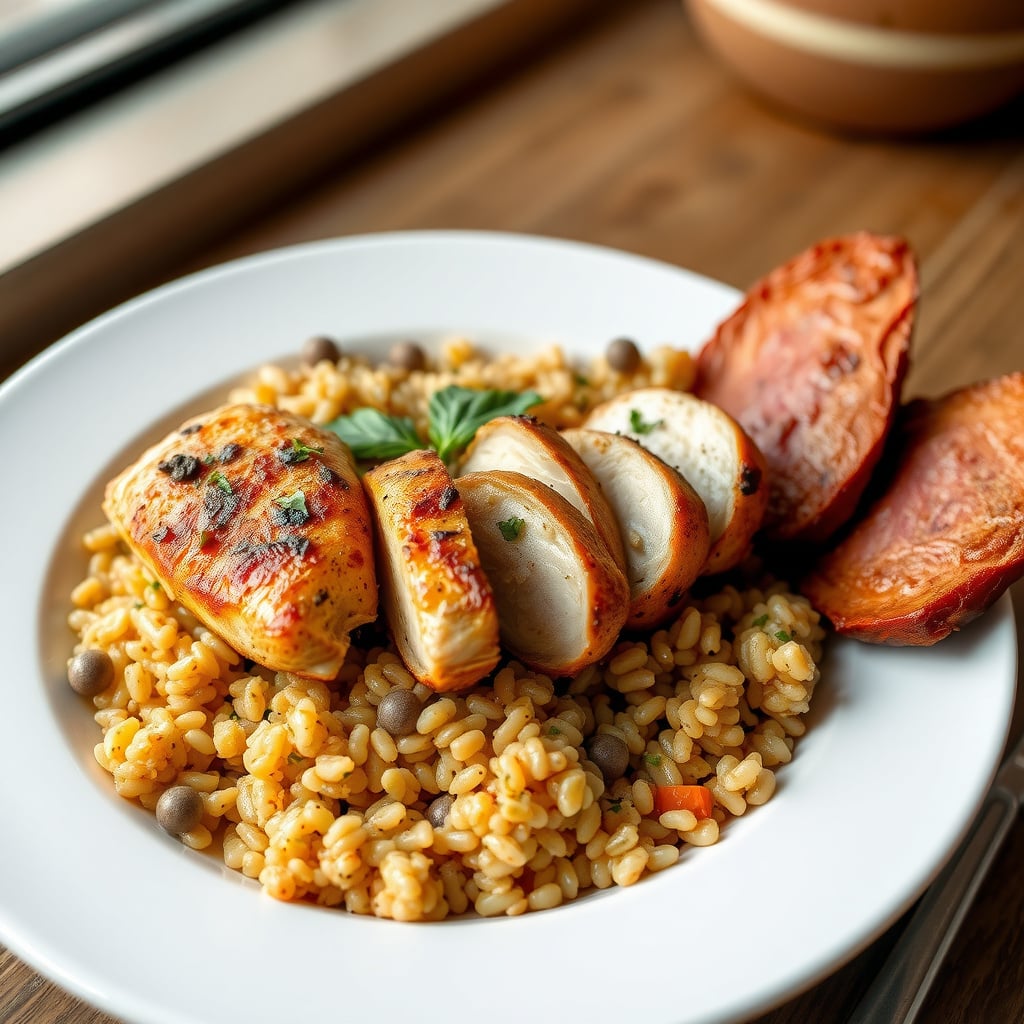
Mediterranean Grain Bowl with Herb-Marinated Chicken
60min
4
View Full Recipe →
Ready to simplify your meal planning?
Let OttoChef AI create personalized meal plans for your family in seconds.