
Argentine Asado: Master the Art of South American Grilling
Learn the traditions, techniques, and philosophy behind Argentine asado. Discover how to create authentic wood-fired flavors and transform your backyard grilling game.
Emma Chen
Recipe Developer
March 26, 2026
7 min read
7 views
Walk into any Argentine backyard on a Sunday afternoon, and you'll find friends and family gathered around a parrilla—a brick or metal grill—while the asador (grill master) tends to various cuts of meat over glowing coals. This isn't just cooking; it's a social ritual that can last four to six hours, where the journey matters as much as the destination.
Argentine asado represents a fundamentally different approach to grilling than what most North Americans practice. While we often rush proteins over high heat for quick sears, asado embraces slow cooking over moderate heat from wood embers, creating tender, smoky meat with a distinctive crust. Understanding this technique will revolutionize how you think about outdoor cooking.
The Asador's Role
In Argentine culture, the asador holds a position of respect and responsibility. This person arrives early to start the fire, manages the heat throughout the meal, and determines when each cut is ready. It's considered an honor to be chosen as the asador, and many Argentines spend years learning the craft from family members.
The Foundation: Fire Management
The heart of authentic asado lies in fire management. Argentines don't cook over flames—they cook over coals. The process begins 60-90 minutes before any meat touches the grill, using hardwood like quebracho, algarrobo, or oak to create a bed of embers.
The asador builds the fire in a separate area (the brasero) or to one side of the grill, allowing wood to burn down into white-hot coals. These coals are then moved under the cooking grate as needed, creating zones of varying heat. This gives you complete control: intense heat for searing, moderate zones for cooking through, and cooler areas for resting.
Building Your Coal Bed
Start your hardwood fire 60-90 minutes before cooking. Let flames die down completely until you have glowing white coals with a light ash coating. Never cook over active flames—the smoke from burning wood creates bitter flavors.
Creating Heat Zones
Using a metal shovel or fireplace tool, distribute coals under different sections of your grill. Create a hot zone with a thick layer of coals for initial searing, a medium zone with scattered coals for cooking through, and a cool zone with no coals for resting meat.
Maintaining Temperature
Add fresh coals from your brasero every 30-45 minutes to maintain consistent heat. The coals should glow red-orange when you blow on them gently. If they're too hot (white-hot), they'll char the exterior before the interior cooks.
Wood Selection Matters
If you can't source traditional Argentine hardwoods, oak, hickory, or fruitwoods work well. Avoid softwoods like pine—they contain resins that create acrid smoke. Many asadores also skip wood chips or chunks soaked in water; they want clean heat from coals, not heavy smoke.
The Meat: Cuts and Preparation
Argentine asado showcases the entire animal, not just premium steaks. A traditional asado might include short ribs (asado de tira), sweetbreads (mollejas), blood sausage (morcilla), chorizo, flank steak (vacío), and skirt steak (entraña). Each cut requires different timing and positioning on the grill.
The preparation is intentionally minimal. Most cuts receive only coarse salt—no marinades, no rubs, no complicated seasonings. This approach lets the quality of the meat and the flavor from wood smoke shine through. Salt is applied generously just before the meat goes on the grill, or sometimes halfway through cooking for thicker cuts.
"The best seasoning for good meat is fire, salt, and time. Everything else is decoration."
Traditional Argentine sayingSalt Timing Debate
Some asadores salt immediately before grilling, others wait until the meat is on the grill. Both camps are passionate. Early salting can draw out moisture, but it also helps create a better crust. Experiment to find your preference, but avoid salting hours in advance unless you're dry-brining.
The Technique: Low, Slow, and Patient
Asado cooking happens at temperatures between 250-350°F (120-175°C)—significantly lower than the screaming-hot grills common in American barbecue. Thick cuts of meat might spend 30-45 minutes on the grill, developing a dark mahogany crust while remaining juicy inside.
The asador constantly monitors and adjusts. If one section is cooking too quickly, coals are redistributed. If fat drippings cause flare-ups, meat is moved to a cooler zone. The grill grate itself is often adjustable, raised or lowered to control how much heat reaches the meat.
For cuts like short ribs, the bone side often faces the heat first, protecting the meat and allowing fat to render slowly. The meat is flipped only once or twice during the entire cooking process—no constant turning that would disrupt crust formation.
The Cross-Hatch Myth
Unlike steakhouse technique, traditional asado doesn't aim for perfect cross-hatch grill marks. The goal is an even, deeply caramelized crust across the entire surface. Some asadores use a chapa (flat-top griddle) alongside the grill for certain cuts, creating a different but equally delicious crust.
Beyond Meat: Vegetables and Provoleta
While meat dominates asado, vegetables play an important supporting role. Bell peppers, onions, and tomatoes are often grilled whole until charred and tender, then peeled and dressed simply with olive oil and salt. These provide freshness and acidity that balance the richness of grilled meats.
Provoleta—a thick slice of provolone cheese grilled until the exterior crisps and the interior melts—serves as a beloved starter. The cheese is seasoned with oregano and chili flakes, grilled in a small cast-iron pan or directly on a well-oiled grate, and served bubbling hot with crusty bread.
Adapting to Your Equipment
Don't have a traditional parrilla? A standard kettle grill works beautifully for asado-style cooking. Use the two-zone method: pile all coals on one side for your brasero, move coals to the cooking side as needed. A charcoal basket or rail system makes coal management easier.
The Social Philosophy
What truly sets asado apart is its social dimension. This isn't about feeding people quickly—it's about creating an experience. Guests arrive early, perhaps around noon for a meal that won't finish until evening. They drink mate (traditional tea), wine, or beer while the asador works. Appetizers like chorizo and morcilla come off the grill first, keeping everyone satisfied while larger cuts cook.
Conversation flows freely. The grill becomes a gathering point where people watch the asador work, offer opinions (solicited or not), and debate everything from soccer to politics. There's no rush to sit down for a formal meal; instead, meat comes off the grill in waves, and people eat standing, sitting, or wandering.
Pacing Your Asado
Start with quick-cooking items: chorizo and morcilla (15-20 minutes). Follow with organ meats like sweetbreads (20-25 minutes). Then move to short ribs and other beef cuts (30-45 minutes). This creates natural waves of food that keep guests engaged throughout the afternoon.
Bringing Asado Home
You don't need to cook an entire animal to embrace asado principles. Start with one or two cuts—perhaps short ribs and chorizo. Build your fire early and let it burn down to coals. Season simply with coarse salt. Cook over moderate heat, not rushing the process. Most importantly, invite friends over and make the cooking part of the gathering, not just preparation for it.
The beauty of asado lies in its accessibility. You're not trying to achieve precise temperatures or complex flavor profiles. You're working with fire, meat, salt, and time—elements humans have combined for millennia. The technique is forgiving: if one section cooks faster, you move it. If the fire gets too hot, you raise the grate or redistribute coals.
Common Mistakes to Avoid
Don't cook over flames—wait for coals. Don't constantly flip meat—let crusts develop. Don't rush—asado takes time. Don't over-season—salt is often enough. Don't serve everything at once—let the meal unfold in stages.
As you develop your asado skills, you'll find yourself slowing down, paying attention to the fire, the meat, and the people around you. You'll learn to read coals by their color and feel heat with your hand held above the grate. You'll discover that cooking isn't just about feeding people—it's about creating space for connection, conversation, and community.
The next sunny weekend, gather some friends, buy good meat, build a fire, and embrace the patient art of asado. Your backyard may not be in Buenos Aires, but the spirit of Argentine grilling translates beautifully anywhere people gather to share food, fire, and time together.
Try This Recipe
Now that you've learned about argentine asado: the culture of grilling, put your knowledge into practice with this recipe:
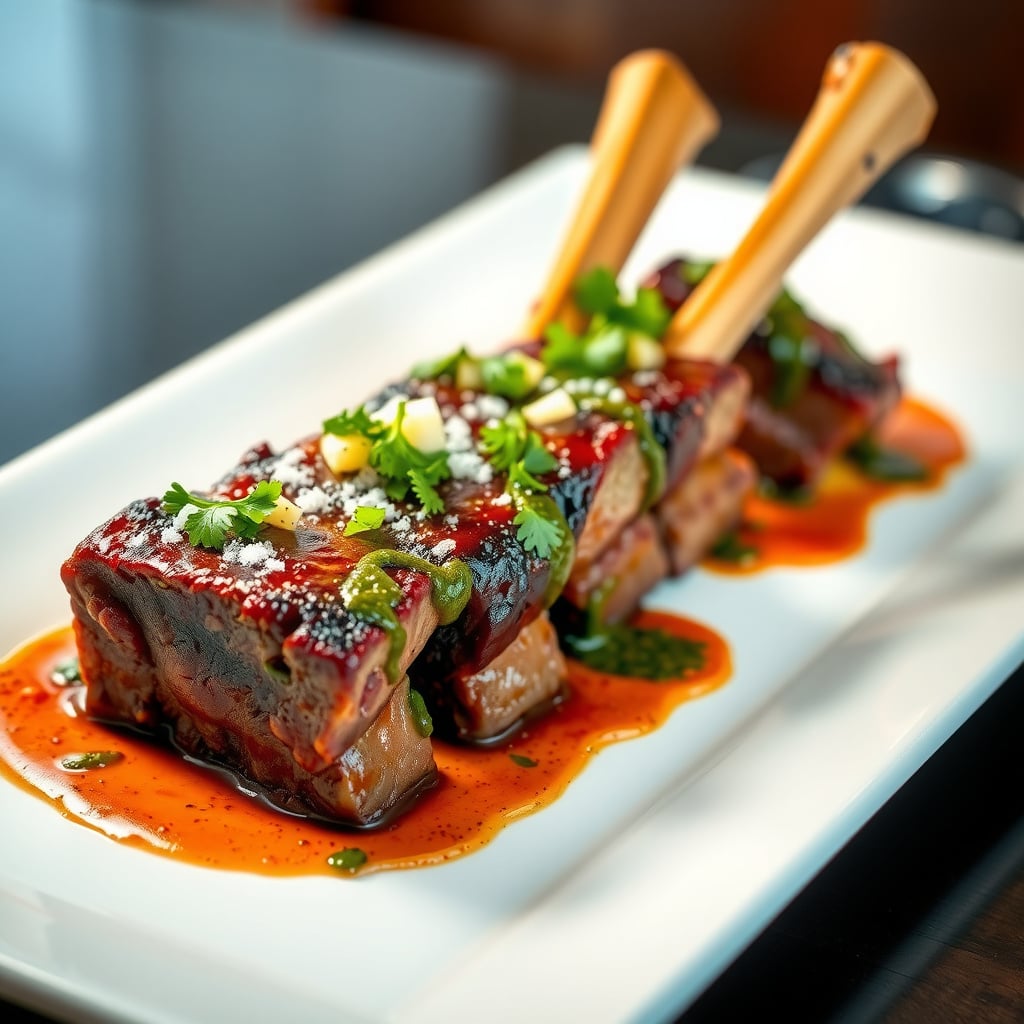
Argentine-Style Asado Short Ribs with Chimichurri
175min
4
View Full Recipe →
Ready to simplify your meal planning?
Let OttoChef AI create personalized meal plans for your family in seconds.